
 EN
EN



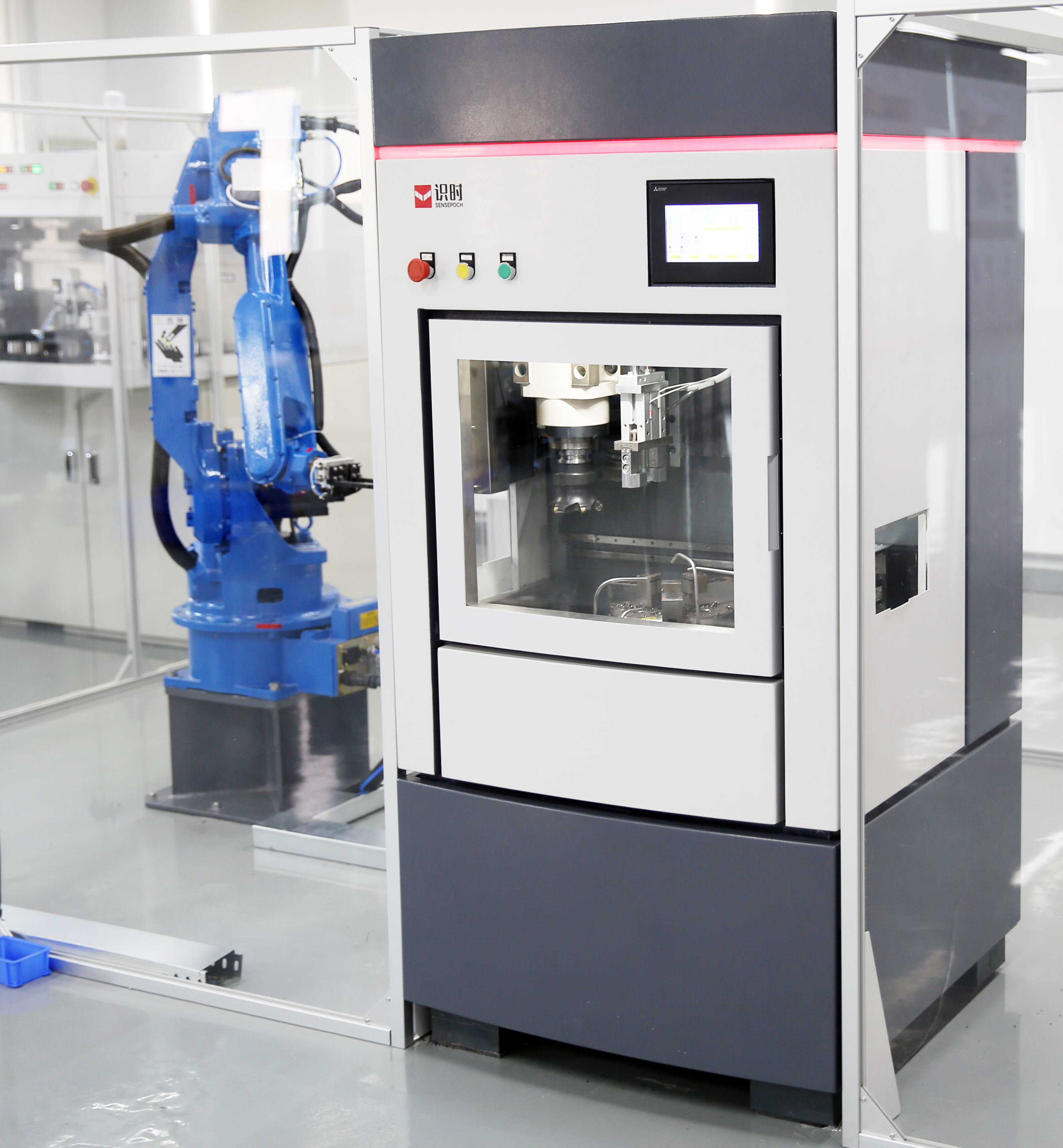
The field of metallurgical engineering has undergone revolutionary transformations over the past century, fundamentally reshaping how we understand and manipulate materials at the atomic level. These groundbreaking innovations have not only advanced our scientific knowledge but have also enabled the development of superior alloys, more efficient processing techniques, and enhanced material properties that drive modern industrial applications. From the discovery of advanced steel compositions to the implementation of cutting-edge analytical systems, metallurgical breakthroughs continue to push the boundaries of what's possible in materials science and engineering.
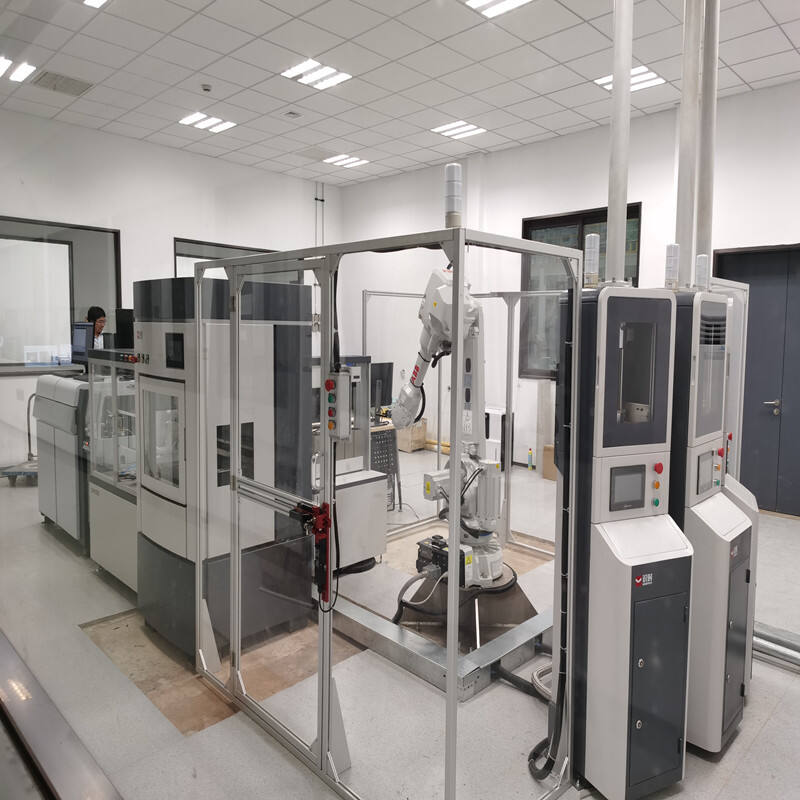
Revolutionary Steel Production Technologies
Basic Oxygen Steelmaking Process
The development of the basic oxygen steelmaking process marked a pivotal moment in metallurgical history, replacing the slower open-hearth furnace method with a dramatically more efficient approach. This breakthrough technique involves blowing pure oxygen through molten pig iron to remove impurities, reducing production time from hours to mere minutes. The process revolutionized global steel production by increasing output capacity while simultaneously improving the quality and consistency of the final product.
Modern metallurgical facilities have refined this process further, incorporating advanced monitoring systems and automated controls to optimize temperature management and chemical composition. The precision achieved through these technological enhancements has enabled the production of specialized steel grades with tailored properties for specific applications, from automotive components to structural engineering projects.
Continuous Casting Innovation
Continuous casting technology transformed the metallurgical industry by eliminating the traditional ingot-making process, directly converting molten steel into semi-finished products. This innovation significantly reduced energy consumption, improved material yield, and enhanced the overall quality of steel products by minimizing segregation and reducing the formation of internal defects. The process involves pouring molten steel into a water-cooled copper mold, where it begins to solidify while being continuously withdrawn.
The implementation of continuous casting systems has enabled metallurgical engineers to achieve unprecedented levels of productivity and quality control. Advanced electromagnetic stirring techniques and sophisticated cooling strategies have further refined this process, allowing for the production of ultra-clean steels with exceptional mechanical properties and surface quality.
Advanced Alloy Development Breakthroughs
Superalloy Engineering Achievements
The development of superalloys represents one of the most significant metallurgical achievements of the modern era, enabling the creation of materials capable of withstanding extreme temperatures and corrosive environments. These sophisticated alloys, primarily based on nickel, cobalt, and iron matrices, have revolutionized aerospace, power generation, and chemical processing industries. The precise control of microstructure and chemical composition has allowed metallurgical scientists to design materials with exceptional creep resistance and oxidation stability.
Single-crystal superalloy technology has pushed the boundaries of metallurgical engineering even further, eliminating grain boundaries to achieve superior high-temperature performance. This breakthrough has enabled the development of more efficient jet engines and gas turbines, contributing significantly to advancements in energy efficiency and environmental sustainability across multiple industrial sectors.
Shape Memory Alloy Innovation
Shape memory alloys represent a fascinating metallurgical breakthrough that combines materials science with smart technology applications. These unique materials can remember and return to predetermined shapes when subjected to specific temperature changes or stress conditions. The most notable example, nitinol, has found applications ranging from medical devices to aerospace components, demonstrating the versatility and potential of advanced metallurgical engineering.
The development of shape memory alloys has opened new possibilities in metallurgical design, enabling the creation of self-actuating systems and adaptive structures. These materials have revolutionized biomedical engineering, particularly in the development of stents, orthodontic wires, and minimally invasive surgical instruments, showcasing the profound impact of metallurgical innovations on human health and quality of life.
Computational Metallurgy and Modeling Advances
Thermodynamic Database Development
The creation of comprehensive thermodynamic databases has revolutionized metallurgical engineering by enabling accurate prediction of phase relationships and material behavior under various conditions. These sophisticated computational tools allow metallurgical engineers to design new alloys and optimize processing parameters without extensive experimental trials, significantly reducing development time and costs. The integration of artificial intelligence and machine learning algorithms has further enhanced the predictive capabilities of these systems.
Modern metallurgical research relies heavily on these computational tools to explore complex multi-component systems and predict the formation of intermetallic phases, precipitation behavior, and solidification patterns. This breakthrough has accelerated the pace of materials discovery and enabled the development of novel alloys with precisely tailored properties for specific applications.
Microstructure Simulation Technologies
Advanced microstructure simulation technologies have transformed our understanding of metallurgical processes at the microscopic level, enabling researchers to visualize and predict grain growth, phase transformations, and defect formation during material processing. These sophisticated modeling tools incorporate multiple physics phenomena, including heat transfer, mass diffusion, and mechanical deformation, providing comprehensive insights into metallurgical behavior.
The development of high-resolution simulation techniques has enabled metallurgical engineers to optimize processing parameters and design treatments that achieve desired microstructures with unprecedented precision. These computational breakthroughs have been instrumental in advancing additive manufacturing technologies and developing new heat treatment strategies for enhanced material performance.
Surface Engineering and Coating Technologies
Physical Vapor Deposition Innovations
Physical vapor deposition technologies have emerged as groundbreaking metallurgical techniques for creating thin films and coatings with exceptional properties and precise composition control. These advanced processes, including sputtering and evaporation techniques, enable the deposition of materials at the atomic level, creating coatings with superior adhesion, wear resistance, and corrosion protection. The precise control over deposition parameters has opened new possibilities in metallurgical surface modification.
The integration of magnetron sputtering and ion beam technologies has further enhanced the capabilities of physical vapor deposition systems, enabling the creation of multilayer coatings with gradient compositions and nanostructured architectures. These metallurgical innovations have found applications in cutting tools, electronic components, and decorative finishes, demonstrating the versatility and commercial importance of advanced coating technologies.
Plasma Surface Treatment Breakthroughs
Plasma surface treatment technologies represent a significant metallurgical breakthrough in surface modification and activation techniques. These processes utilize ionized gases to modify surface chemistry, roughness, and reactivity without affecting bulk material properties. The precise control of plasma parameters enables metallurgical engineers to achieve specific surface characteristics for enhanced bonding, wettability, and biocompatibility.
The development of atmospheric pressure plasma systems has made these metallurgical treatments more accessible and cost-effective for industrial applications. These innovations have enabled the treatment of large components and continuous processing of materials, expanding the applicability of plasma technologies in automotive, aerospace, and medical device manufacturing.
Powder Metallurgy and Additive Manufacturing
Advanced Powder Production Methods
The evolution of powder production methods has been fundamental to advancing metallurgical applications in powder metallurgy and additive manufacturing. Gas atomization techniques have enabled the production of spherical metal powders with controlled size distributions and excellent flowability characteristics. These high-quality powders are essential for achieving consistent results in advanced metallurgical processing applications, particularly in selective laser melting and electron beam melting technologies.
Water atomization and mechanical alloying processes have further expanded the range of available powder materials, enabling the creation of composite powders and amorphous alloys that were previously impossible to achieve through conventional metallurgical methods. These breakthroughs have opened new possibilities for creating materials with unique combinations of properties and enhanced performance characteristics.
Selective Laser Melting Advances
Selective laser melting technology represents a revolutionary metallurgical breakthrough that enables the direct fabrication of complex metal components from powder feedstock. This additive manufacturing process uses precisely controlled laser energy to selectively melt and fuse metal powders layer by layer, creating parts with intricate geometries that would be impossible to achieve through traditional metallurgical manufacturing methods.
The optimization of process parameters and the development of specialized metallurgical powders have significantly improved the quality and mechanical properties of laser-melted components. Recent advances in multi-laser systems and real-time monitoring technologies have enhanced productivity and process reliability, making this metallurgical technique increasingly viable for production applications in aerospace, automotive, and medical industries.
Quality Control and Analysis Innovations
Non-Destructive Testing Advancements
Non-destructive testing technologies have undergone remarkable advancements, providing metallurgical engineers with sophisticated tools for evaluating material integrity without compromising component functionality. Ultrasonic testing techniques have evolved to include phased array systems and time-of-flight diffraction methods, enabling detailed characterization of internal defects, grain structure, and material properties. These innovations have significantly enhanced quality assurance capabilities in metallurgical manufacturing processes.
Digital radiography and computed tomography have revolutionized metallurgical inspection by providing three-dimensional visualization of internal structures and defects. These advanced imaging techniques enable comprehensive analysis of complex metallurgical components, porosity distribution, and inclusion content, supporting improved design decisions and manufacturing process optimization.
Real-Time Process Monitoring Systems
The development of real-time process monitoring systems has transformed metallurgical manufacturing by enabling continuous assessment of critical parameters during production. Advanced sensor technologies, including optical pyrometry, acoustic emission monitoring, and electromagnetic sensors, provide immediate feedback on temperature distribution, stress levels, and chemical composition changes throughout metallurgical processes.
Integration of artificial intelligence and machine learning algorithms with these monitoring systems has created intelligent metallurgical process control capabilities, enabling automatic adjustment of parameters to maintain optimal conditions and prevent defect formation. These breakthrough technologies have significantly improved product quality consistency and manufacturing efficiency across various metallurgical applications.
Environmental and Sustainable Metallurgy
Green Steel Production Technologies
Environmental consciousness has driven significant breakthroughs in metallurgical engineering focused on reducing carbon emissions and energy consumption in steel production. Hydrogen-based reduction processes represent a promising alternative to traditional coke-based methods, potentially eliminating carbon dioxide emissions from iron ore reduction. These innovative metallurgical approaches utilize renewable hydrogen as a reducing agent, creating water vapor instead of greenhouse gases as a byproduct.
Electric arc furnace technologies have also advanced significantly, enabling increased use of recycled steel scrap and reducing reliance on virgin raw materials. The integration of renewable energy sources with electric steelmaking processes has further enhanced the environmental sustainability of metallurgical operations, demonstrating the industry's commitment to responsible manufacturing practices.
Recycling and Circular Economy Innovations
Advanced recycling technologies have emerged as crucial metallurgical breakthroughs supporting circular economy principles and resource conservation. Sophisticated separation techniques, including density separation, magnetic sorting, and optical recognition systems, enable efficient recovery of valuable metals from complex waste streams. These innovations have significantly improved the economics and environmental impact of metallurgical recycling operations.
The development of hydrometallurgical and biotechnological approaches to metal recovery has opened new possibilities for processing low-grade ores and electronic waste. These environmentally friendly metallurgical processes minimize the use of hazardous chemicals and reduce energy consumption while maintaining high recovery rates for valuable metals, supporting sustainable resource utilization strategies.
FAQ
What are the most significant recent breakthroughs in metallurgical engineering
Recent metallurgical engineering breakthroughs include the development of advanced high-strength steels with improved formability, breakthrough innovations in additive manufacturing of metal components, and the implementation of artificial intelligence in process optimization. Additionally, sustainable metallurgical processes focusing on hydrogen-based steel production and advanced recycling technologies have gained significant momentum. These innovations are transforming traditional metallurgical practices and opening new possibilities for material design and manufacturing efficiency.
How do computational tools impact modern metallurgical research and development
Computational tools have revolutionized metallurgical research by enabling accurate prediction of material behavior, phase relationships, and processing outcomes without extensive experimental work. Advanced thermodynamic databases, microstructure simulation software, and machine learning algorithms allow metallurgical engineers to accelerate alloy development, optimize processing parameters, and design materials with specific properties. These digital metallurgical tools significantly reduce development time and costs while improving the precision and reliability of material design processes.
What role does environmental sustainability play in current metallurgical innovations
Environmental sustainability has become a driving force behind many current metallurgical innovations, leading to the development of cleaner production processes, energy-efficient technologies, and advanced recycling methods. The metallurgical industry is actively pursuing carbon-neutral production techniques, including hydrogen-based reduction processes and electric steelmaking powered by renewable energy. These sustainable metallurgical approaches not only reduce environmental impact but also improve long-term economic viability and regulatory compliance for manufacturing operations.
How are additive manufacturing technologies changing traditional metallurgical practices
Additive manufacturing technologies are fundamentally transforming metallurgical practices by enabling the direct fabrication of complex metal components from powder feedstock, eliminating many traditional processing steps. These breakthrough technologies allow for the creation of parts with intricate internal geometries, gradient compositions, and optimized structures that were previously impossible to achieve. The integration of selective laser melting, electron beam melting, and other additive metallurgical processes is revolutionizing product design, reducing material waste, and enabling on-demand manufacturing of specialized components across various industries.
Table of Contents
- Revolutionary Steel Production Technologies
- Advanced Alloy Development Breakthroughs
- Computational Metallurgy and Modeling Advances
- Surface Engineering and Coating Technologies
- Powder Metallurgy and Additive Manufacturing
- Quality Control and Analysis Innovations
- Environmental and Sustainable Metallurgy
-
FAQ
- What are the most significant recent breakthroughs in metallurgical engineering
- How do computational tools impact modern metallurgical research and development
- What role does environmental sustainability play in current metallurgical innovations
- How are additive manufacturing technologies changing traditional metallurgical practices