
 EN
EN




Modern laboratory operations demand unprecedented levels of efficiency and accuracy, driving the integration of advanced automation technologies. Among these innovations, the pneumatic tube system stands as a transformative solution for streamlining sample transport and workflow optimization. Laboratory managers are increasingly recognizing how pneumatic transport systems can eliminate bottlenecks, reduce human error, and accelerate processing times across diverse laboratory environments.
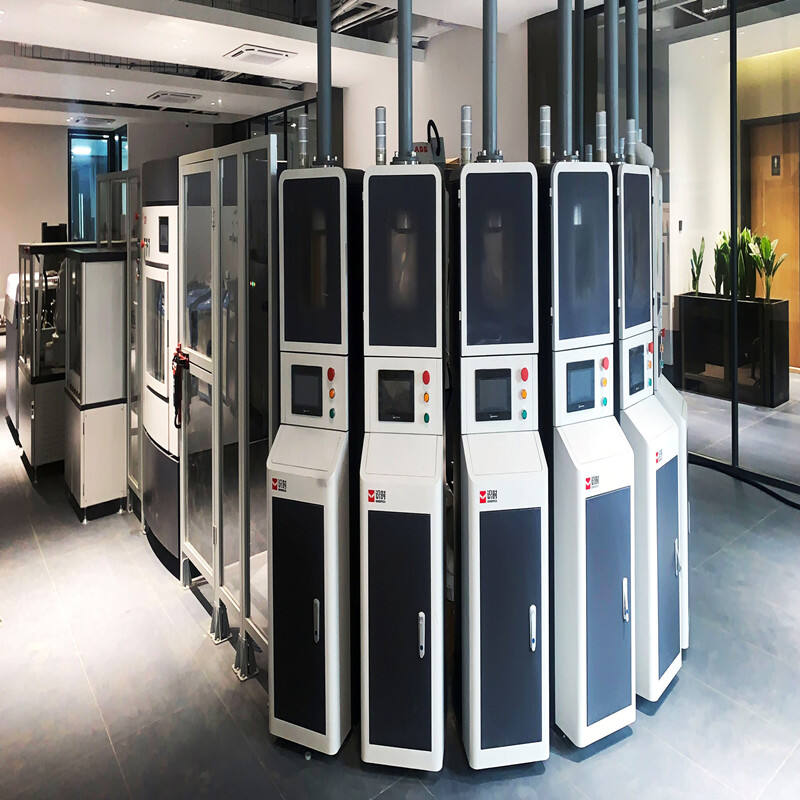
The implementation of automated laboratory workflows requires careful consideration of material handling systems that can maintain sample integrity while maximizing throughput. Traditional manual transport methods introduce variables that compromise both speed and reliability, making automated solutions essential for contemporary laboratory operations. The strategic integration of pneumatic transport technology addresses these challenges by providing consistent, contamination-free sample movement throughout complex laboratory networks.
Understanding Pneumatic Transport Technology in Laboratory Settings
Core Components and Operational Principles
A pneumatic tube system operates through controlled air pressure differentials that propel carriers through dedicated transport networks. The fundamental components include blower systems, diverter stations, carrier detection sensors, and control interfaces that collectively manage sample movement. These systems utilize positive or negative pressure to create airflow patterns that ensure reliable carrier transport across horizontal and vertical pathways.
The carrier design plays a crucial role in maintaining sample integrity during transport. Modern pneumatic carriers feature shock-absorbing materials, secure closure mechanisms, and identification systems that enable automated sorting and routing. Laboratory-specific carriers accommodate various sample types, from blood tubes to tissue specimens, while maintaining environmental controls necessary for sample preservation.
System Architecture and Network Design
Effective pneumatic tube system implementation requires comprehensive network planning that accounts for laboratory layout, traffic patterns, and operational requirements. The network topology typically includes central blower stations, distribution tubes, and terminal stations positioned at critical laboratory locations. Advanced systems incorporate multi-zone capabilities that enable simultaneous transport operations across different laboratory departments.
Integration points within the laboratory infrastructure must accommodate the pneumatic network while maintaining accessibility for maintenance and expansion. The system architecture often includes redundant pathways and emergency protocols that ensure continuous operation even during component failures or maintenance activities. This reliability factor becomes particularly important in high-volume laboratory environments where transport interruptions can significantly impact productivity.
Automation Integration Strategies for Enhanced Workflow
Interface Development with Laboratory Information Systems
Successful pneumatic tube system integration requires seamless connectivity with existing Laboratory Information Management Systems (LIMS) and other automated platforms. The interface development process involves creating communication protocols that enable real-time tracking, automated routing decisions, and comprehensive audit trails. These integrations allow laboratory staff to monitor sample locations, track transport times, and identify potential bottlenecks within the workflow.
Data exchange capabilities enable the pneumatic transport system to receive routing instructions directly from laboratory management software, eliminating manual intervention in transport decisions. Automated sample identification through barcode or RFID technology ensures accurate delivery to designated stations while maintaining complete chain-of-custody documentation. This level of integration transforms the pneumatic tube system from a simple transport mechanism into an intelligent component of the overall laboratory automation ecosystem.
Workflow Optimization and Process Enhancement
The integration of pneumatic transport technology enables laboratories to redesign workflows around optimized sample movement patterns. Traditional batch processing methods can be replaced with continuous flow systems that reduce waiting times and improve resource utilization. The pneumatic tube system facilitates just-in-time sample delivery, allowing analytical equipment to operate at maximum capacity while minimizing sample storage requirements.
Process enhancement opportunities include the implementation of priority routing for urgent samples, automated sample distribution to multiple analysis stations, and intelligent load balancing across laboratory departments. The system's ability to operate continuously without human intervention enables 24-hour laboratory operations, particularly beneficial for emergency services and high-throughput testing environments.
Technical Specifications and Performance Considerations
Transport Speed and Capacity Parameters
Modern pneumatic tube system designs achieve transport speeds ranging from 5 to 8 meters per second, depending on system configuration and carrier weight. The transport capacity varies based on carrier size and frequency of use, with high-performance systems capable of handling hundreds of transactions per hour. Speed control mechanisms ensure gentle acceleration and deceleration to protect fragile samples while maintaining efficient throughput.
System capacity planning must account for peak demand periods, maintenance requirements, and future expansion needs. The pneumatic infrastructure should accommodate varying carrier sizes to handle different sample types, from micro-specimens to larger diagnostic samples. Load distribution algorithms optimize system performance by managing traffic flow and preventing congestion at high-demand destinations.
Environmental Controls and Sample Protection
Temperature management within the pneumatic tube system ensures sample stability during transport, particularly important for temperature-sensitive specimens. Advanced systems incorporate climate-controlled carriers and monitoring systems that maintain specified temperature ranges throughout the transport process. Humidity control mechanisms prevent condensation that could compromise sample integrity or damage analytical equipment.
Vibration dampening technologies minimize mechanical stress on samples during transport, reducing the risk of hemolysis in blood samples or other mechanical damage to fragile specimens. The pneumatic tube system design includes shock absorption mechanisms and gentle handling protocols that protect samples while maintaining transport efficiency.
Implementation Planning and System Integration
Pre-Installation Assessment and Requirements Analysis
Successful pneumatic tube system implementation begins with comprehensive facility assessment and workflow analysis. The evaluation process includes measuring transport distances, identifying optimal terminal locations, and analyzing current sample movement patterns. This assessment phase determines system capacity requirements, routing complexity, and integration points with existing laboratory automation systems.
Infrastructure evaluation encompasses structural considerations for tube installation, power requirements for blower systems, and networking capabilities for system control. The planning phase must account for laboratory operational schedules to minimize disruption during installation and commissioning activities. Detailed project timelines coordinate pneumatic system installation with other laboratory automation upgrades to ensure seamless integration.
Training and Operational Procedures
Staff training programs ensure effective utilization of the pneumatic tube system while maintaining safety protocols and operational procedures. Training curricula cover carrier handling techniques, system operation procedures, and troubleshooting protocols that enable laboratory staff to maximize system benefits. Comprehensive documentation includes standard operating procedures, maintenance schedules, and emergency response protocols.
The training program addresses different user levels, from basic operators to system administrators responsible for monitoring and maintenance activities. Ongoing education ensures staff remain current with system capabilities and best practices as the pneumatic transport technology continues to evolve and expand within the laboratory environment.
Quality Control and Compliance Considerations
Regulatory Compliance and Validation Requirements
Pneumatic tube system implementation in regulated laboratory environments requires adherence to specific compliance standards and validation protocols. The validation process includes Installation Qualification (IQ), Operational Qualification (OQ), and Performance Qualification (PQ) phases that demonstrate system compliance with regulatory requirements. Documentation requirements encompass system specifications, validation protocols, and ongoing compliance monitoring procedures.
Quality assurance protocols ensure the pneumatic transport system maintains sample integrity and traceability throughout the transport process. Audit trail capabilities provide comprehensive documentation of sample movements, transport times, and system performance metrics required for regulatory compliance. The system design must accommodate periodic validation activities and compliance audits without disrupting laboratory operations.
Monitoring and Performance Metrics
Continuous monitoring systems track pneumatic tube system performance through key metrics including transport times, system availability, and error rates. Performance dashboards provide real-time visibility into system operations, enabling proactive maintenance and optimization activities. Historical data analysis identifies trends and opportunities for further workflow improvements within the laboratory environment.
Quality metrics encompass sample integrity measurements, contamination prevention effectiveness, and overall system reliability indicators. Regular performance reviews ensure the pneumatic transport system continues to meet laboratory requirements while identifying opportunities for capacity expansion or operational enhancements.
Future Developments and Technology Trends
Emerging Technologies and System Enhancements
The evolution of pneumatic tube system technology includes advanced sensor integration, artificial intelligence algorithms for route optimization, and enhanced connectivity with cloud-based laboratory management systems. Predictive maintenance capabilities utilize machine learning algorithms to anticipate component failures and optimize maintenance schedules. These technological advances enhance system reliability while reducing operational costs.
Integration with robotic systems and automated analytical equipment creates comprehensive laboratory automation ecosystems where the pneumatic tube system serves as the central transport infrastructure. Future developments include smart carriers with embedded sensors, enhanced tracking capabilities, and improved environmental controls for specialized sample types.
Scalability and Expansion Opportunities
Modern pneumatic tube system designs prioritize scalability to accommodate laboratory growth and changing operational requirements. Modular system architectures enable incremental expansion without disrupting existing operations, allowing laboratories to adapt their transport infrastructure to evolving needs. The system flexibility supports integration with new analytical equipment and expansion into additional laboratory areas.
Network expansion capabilities include additional terminal stations, increased transport capacity, and enhanced routing options that support complex laboratory workflows. The scalable design ensures long-term value from pneumatic transport investments while maintaining compatibility with future automation technologies and operational requirements.
FAQ
What types of samples can be transported safely using a pneumatic tube system
A pneumatic tube system can safely transport various laboratory samples including blood tubes, urine specimens, tissue samples, and other diagnostic materials. The system design incorporates shock absorption mechanisms and controlled acceleration to protect fragile samples. Specialized carriers accommodate different sample types while maintaining appropriate environmental conditions during transport. Temperature-sensitive specimens benefit from climate-controlled carriers that preserve sample integrity throughout the pneumatic transport process.
How does pneumatic transport integration affect laboratory throughput and efficiency
Pneumatic transport integration significantly improves laboratory throughput by eliminating manual transport delays and reducing sample processing bottlenecks. The automated system enables continuous sample flow between departments, allowing analytical equipment to operate at maximum capacity. Reduced transport times and elimination of human transport errors contribute to overall workflow efficiency. The pneumatic tube system supports 24-hour operations, extending laboratory capacity beyond traditional staffing limitations.
What maintenance requirements are associated with pneumatic transport systems
Pneumatic tube system maintenance includes regular inspection of blower components, cleaning of transport tubes, and calibration of control systems. Preventive maintenance schedules typically involve monthly carrier inspections, quarterly system performance evaluations, and annual comprehensive system reviews. Advanced systems incorporate predictive maintenance capabilities that monitor component performance and schedule maintenance activities proactively. Proper maintenance ensures optimal system performance and extends equipment lifespan while minimizing operational disruptions.
How can laboratories ensure regulatory compliance when implementing pneumatic transport
Regulatory compliance requires comprehensive validation protocols including Installation Qualification, Operational Qualification, and Performance Qualification phases. Documentation must demonstrate system compliance with relevant laboratory standards and regulatory requirements. The pneumatic tube system should maintain complete audit trails for sample transport activities, including timestamps, routing information, and chain-of-custody documentation. Regular compliance audits and system validations ensure ongoing adherence to regulatory standards while supporting laboratory accreditation requirements.
Table of Contents
- Understanding Pneumatic Transport Technology in Laboratory Settings
- Automation Integration Strategies for Enhanced Workflow
- Technical Specifications and Performance Considerations
- Implementation Planning and System Integration
- Quality Control and Compliance Considerations
- Future Developments and Technology Trends
-
FAQ
- What types of samples can be transported safely using a pneumatic tube system
- How does pneumatic transport integration affect laboratory throughput and efficiency
- What maintenance requirements are associated with pneumatic transport systems
- How can laboratories ensure regulatory compliance when implementing pneumatic transport