
 EN
EN



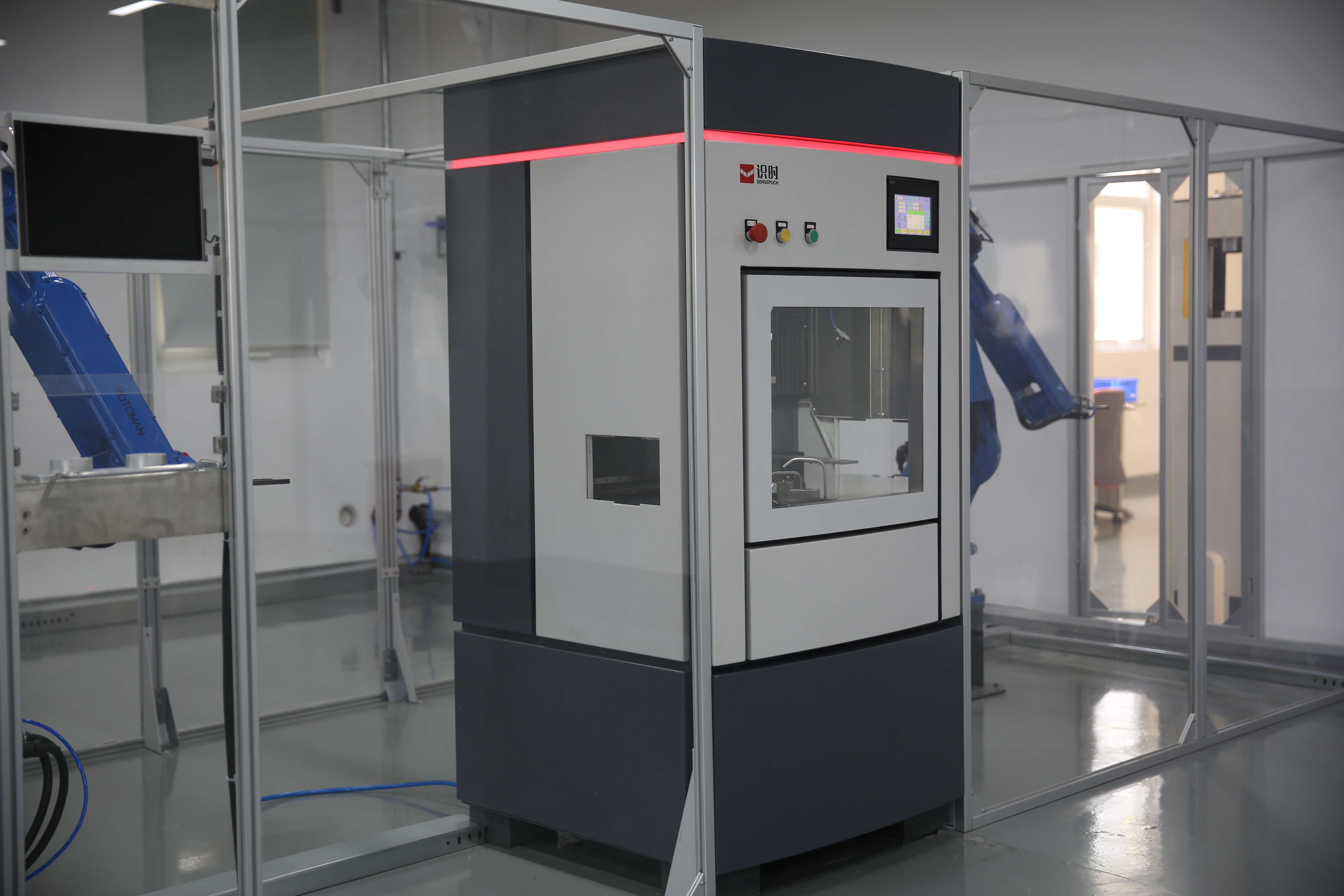
The milling machine stands as one of the most versatile and essential tools in modern manufacturing and machining operations. From precision aerospace components to everyday industrial parts, the milling machine has revolutionized how manufacturers create complex shapes and surfaces with exceptional accuracy. Understanding the fundamentals of milling machine operation, types, and components is crucial for anyone involved in manufacturing, engineering, or machining processes.
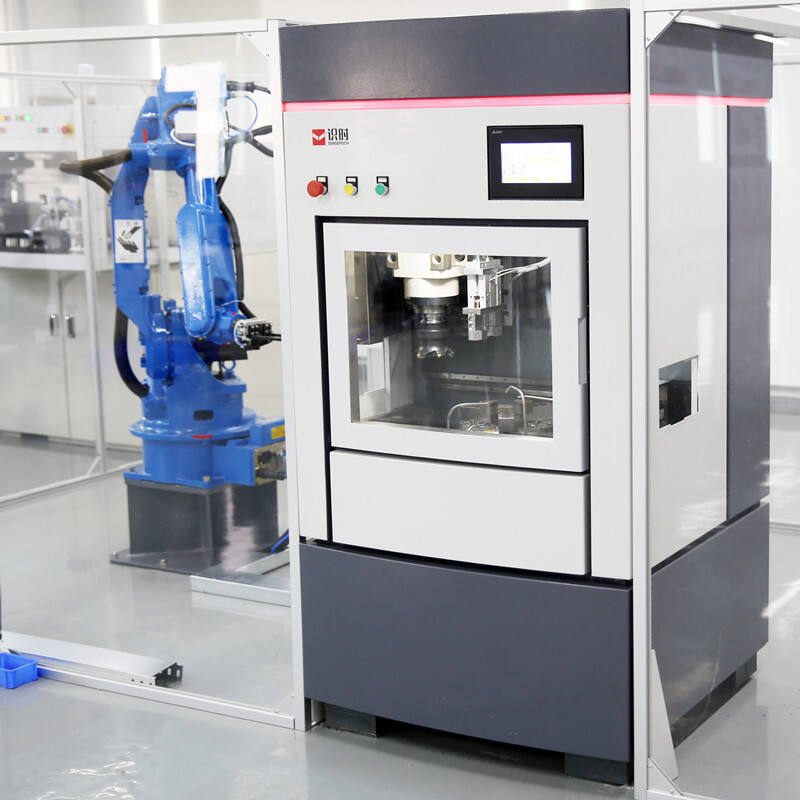
A milling machine is a powered machine tool that uses rotary cutters to remove material from a workpiece by advancing the cutter into the work at various angles and feed rates. The workpiece is typically held in place by clamps, vises, or fixtures on a movable table, allowing for precise positioning and machining operations. The versatility of the milling machine makes it indispensable in production environments where accuracy and repeatability are paramount.
The evolution of milling technology has transformed manufacturing capabilities across industries. Modern milling machine designs incorporate advanced features such as computer numerical control systems, automatic tool changers, and sophisticated coolant systems. These enhancements have significantly improved productivity while maintaining the precision that makes milling operations so valuable in contemporary manufacturing processes.
Primary Types of Milling Machines
Vertical Milling Machines
The vertical milling machine features a spindle axis that is vertically oriented, perpendicular to the worktable surface. This configuration allows for excellent visibility of the cutting operation and makes it ideal for drilling, boring, and creating precise vertical cuts. The vertical milling machine typically offers superior rigidity and accuracy for operations requiring tight tolerances and smooth surface finishes.
Vertical milling machine designs often incorporate knee-type construction, where the worktable can move up and down along the column. This design provides exceptional versatility for accommodating workpieces of varying heights and allows operators to maintain optimal cutting conditions throughout the machining process. The vertical orientation also facilitates easier chip evacuation and coolant application during cutting operations.
Horizontal Milling Machines
Horizontal milling machine configurations position the spindle parallel to the worktable, creating unique advantages for specific machining operations. The horizontal setup excels in heavy-duty cutting applications and provides superior support for long, slender cutting tools. This milling machine type is particularly effective for machining large, flat surfaces and creating keyways, slots, and grooves.
The horizontal milling machine design often includes an overarm that provides additional support for the cutting arbor, reducing deflection and vibration during heavy cutting operations. This enhanced rigidity makes horizontal mills ideal for production environments where material removal rates and surface quality are critical factors in manufacturing efficiency.
Universal Milling Machines
Universal milling machine designs combine the capabilities of both vertical and horizontal configurations in a single, versatile platform. These machines feature swiveling heads that can be positioned at various angles, providing exceptional flexibility for complex machining operations. The universal milling machine represents the ultimate in versatility for job shops and prototype development environments.
The adaptability of universal milling machine systems makes them particularly valuable in educational settings and small-batch production environments. Operators can easily transition between different machining orientations without requiring multiple machine setups, significantly reducing setup times and improving overall productivity in diverse manufacturing applications.
Essential Milling Machine Components
Spindle and Drive System
The spindle represents the heart of any milling machine, responsible for rotating the cutting tools at precise speeds and maintaining accuracy throughout the machining process. Modern milling machine spindles incorporate advanced bearing systems and precision manufacturing to minimize runout and ensure consistent performance. The drive system must provide adequate power and torque across a wide range of operating speeds to accommodate different materials and cutting tools.
Spindle speed control in contemporary milling machine designs typically utilizes variable frequency drives or mechanical transmission systems to achieve the precise RPM requirements for optimal cutting conditions. The relationship between spindle speed, feed rate, and cutting tool geometry directly impacts surface finish quality, tool life, and material removal efficiency in milling operations.
Worktable and Feed Mechanisms
The worktable of a milling machine provides the foundation for workpiece positioning and movement during machining operations. High-quality worktables feature precisely machined surfaces with T-slots or other clamping provisions to secure workpieces and fixtures. The table feed mechanisms must deliver smooth, precise movement in multiple axes while maintaining positional accuracy under cutting loads.
Feed mechanisms in modern milling machine designs often incorporate servo motors and ball screw systems to achieve exceptional positioning accuracy and repeatability. These advanced feed systems enable the precise control necessary for complex contour milling operations and ensure consistent results across multiple production cycles.
Column and Base Structure
The structural integrity of a milling machine depends heavily on the design and construction of its column and base components. These elements must provide rigid support for all moving components while minimizing deflection under cutting forces. The column typically houses the spindle drive mechanisms and provides the mounting surface for the spindle head assembly.
Base construction in quality milling machine designs utilizes cast iron or welded steel structures designed to dampen vibrations and provide stable support for the entire machine. The mass and rigidity of the base directly influence machining accuracy and surface finish quality, making it a critical consideration in milling machine selection for precision applications.
Fundamental Milling Operations
Face Milling Operations
Face milling represents one of the most common operations performed on a milling machine, involving the machining of flat surfaces perpendicular to the spindle axis. This operation typically utilizes large-diameter cutters with multiple cutting edges to achieve high material removal rates and excellent surface finishes. Face milling operations are essential for creating reference surfaces and achieving precise dimensional control in manufactured components.
The success of face milling operations depends on proper cutter selection, spindle speed optimization, and appropriate feed rates for the specific material being machined. Modern milling machine control systems often include preprogrammed cycles for face milling operations, simplifying setup procedures and ensuring consistent results across multiple workpieces.
End Milling Processes
End milling operations utilize cylindrical cutting tools to create slots, pockets, contours, and complex three-dimensional shapes in workpieces. The versatility of end milling makes it indispensable for manufacturing components with intricate geometries and tight tolerances. End mills are available in numerous configurations, including ball end, square end, and specialty profile designs to accommodate diverse machining requirements.
Effective end milling on a milling machine requires careful consideration of cutting parameters, tool path strategies, and workholding methods. The ability to machine complex contours and maintain dimensional accuracy makes end milling operations particularly valuable in aerospace, automotive, and medical device manufacturing applications where precision is paramount.
Peripheral Milling Techniques
Peripheral milling operations involve cutting with the circumferential teeth of cylindrical cutters, typically performed on horizontal milling machine configurations. This technique excels in machining flat surfaces, creating keyways, and producing grooves with excellent surface finish characteristics. Peripheral milling can achieve high material removal rates while maintaining dimensional accuracy across large workpiece surfaces.
The effectiveness of peripheral milling operations depends on proper cutter selection, adequate spindle power, and optimal feed rates for the specific application. This milling machine technique is particularly valuable in production environments where efficiency and surface quality are primary considerations for manufactured components.
Material Considerations and Applications
Metalworking Applications
The milling machine serves as a cornerstone of metalworking operations across diverse industries, from aerospace and automotive to general manufacturing and toolmaking. Steel, aluminum, titanium, and exotic alloys all require specific milling approaches to achieve optimal results. Understanding material characteristics and their impact on milling machine performance is essential for successful machining operations.
Different metals respond uniquely to milling machine operations, requiring adjustments to cutting speeds, feed rates, and tool selection. Harder materials may demand lower cutting speeds and more robust tooling, while softer materials can accommodate higher feed rates and specialized cutting tools designed for efficiency rather than durability.
Advanced Material Machining
Modern milling machine applications increasingly involve advanced materials such as composites, ceramics, and superalloys that present unique machining challenges. These materials often require specialized cutting tools, modified machine parameters, and advanced cooling strategies to achieve acceptable results. The versatility of contemporary milling machine designs enables manufacturers to adapt to these challenging material requirements.
Processing advanced materials on a milling machine often requires enhanced machine rigidity, precise temperature control, and specialized workholding solutions. The ability to successfully machine these materials expands manufacturing capabilities and enables the production of components for high-performance applications in aerospace, medical, and energy industries.
Maintenance and Performance Optimization
Preventive Maintenance Strategies
Maintaining optimal milling machine performance requires systematic preventive maintenance procedures that address all critical machine components. Regular lubrication, alignment checks, and component inspections help prevent unexpected failures and maintain machining accuracy over extended periods. A well-maintained milling machine delivers consistent results and minimizes production disruptions.
Effective maintenance programs for milling machine systems include scheduled inspections of spindle bearings, feed mechanisms, and control systems. Early detection of wear patterns or performance degradation allows for timely repairs and prevents more extensive damage that could compromise machining capabilities or require costly emergency repairs.
Performance Enhancement Techniques
Optimizing milling machine performance involves continuous evaluation of cutting parameters, tool selection, and machining strategies. Modern machine monitoring systems can provide real-time feedback on cutting forces, vibration levels, and tool wear, enabling operators to adjust parameters for optimal performance. These enhancements contribute to improved productivity and extended tool life.
Advanced milling machine optimization techniques include adaptive control systems that automatically adjust cutting parameters based on real-time machining conditions. These systems help maintain consistent surface finish quality while maximizing material removal rates and minimizing tool wear throughout the machining process.
FAQ
What factors should be considered when selecting a milling machine for specific applications
Selecting the appropriate milling machine requires careful evaluation of workpiece size, material types, precision requirements, and production volume expectations. Consider the maximum workpiece dimensions, required spindle power, available floor space, and budget constraints. Additionally, evaluate the need for additional features such as automatic tool changers, coolant systems, and computer numerical control capabilities based on your specific manufacturing requirements.
How does spindle speed affect milling machine performance and tool life
Spindle speed directly impacts cutting efficiency, surface finish quality, and tool longevity in milling machine operations. Optimal spindle speeds depend on cutting tool diameter, material properties, and desired surface finish characteristics. Running too fast can cause premature tool wear or workpiece damage, while insufficient speed reduces productivity and may result in poor surface finishes. Consulting manufacturer recommendations and conducting test cuts helps determine optimal parameters.
What safety precautions are essential when operating a milling machine
Safe milling machine operation requires proper training, appropriate personal protective equipment, and adherence to established safety procedures. Always ensure workpieces are securely clamped before starting operations, maintain clean work areas free from chips and coolant, and never attempt to adjust workpieces or tooling while the spindle is rotating. Regular safety training and equipment inspections help prevent accidents and maintain a safe working environment.
How can operators improve surface finish quality in milling operations
Achieving excellent surface finishes on a milling machine requires optimization of cutting parameters, proper tool selection, and adequate machine rigidity. Use sharp cutting tools appropriate for the material being machined, maintain consistent feed rates, and ensure adequate coolant flow during operations. Additionally, minimize machine vibration through proper workholding and consider finishing passes at reduced feed rates to achieve the desired surface quality.
Table of Contents
- Primary Types of Milling Machines
- Essential Milling Machine Components
- Fundamental Milling Operations
- Material Considerations and Applications
- Maintenance and Performance Optimization
-
FAQ
- What factors should be considered when selecting a milling machine for specific applications
- How does spindle speed affect milling machine performance and tool life
- What safety precautions are essential when operating a milling machine
- How can operators improve surface finish quality in milling operations