
 EN
EN



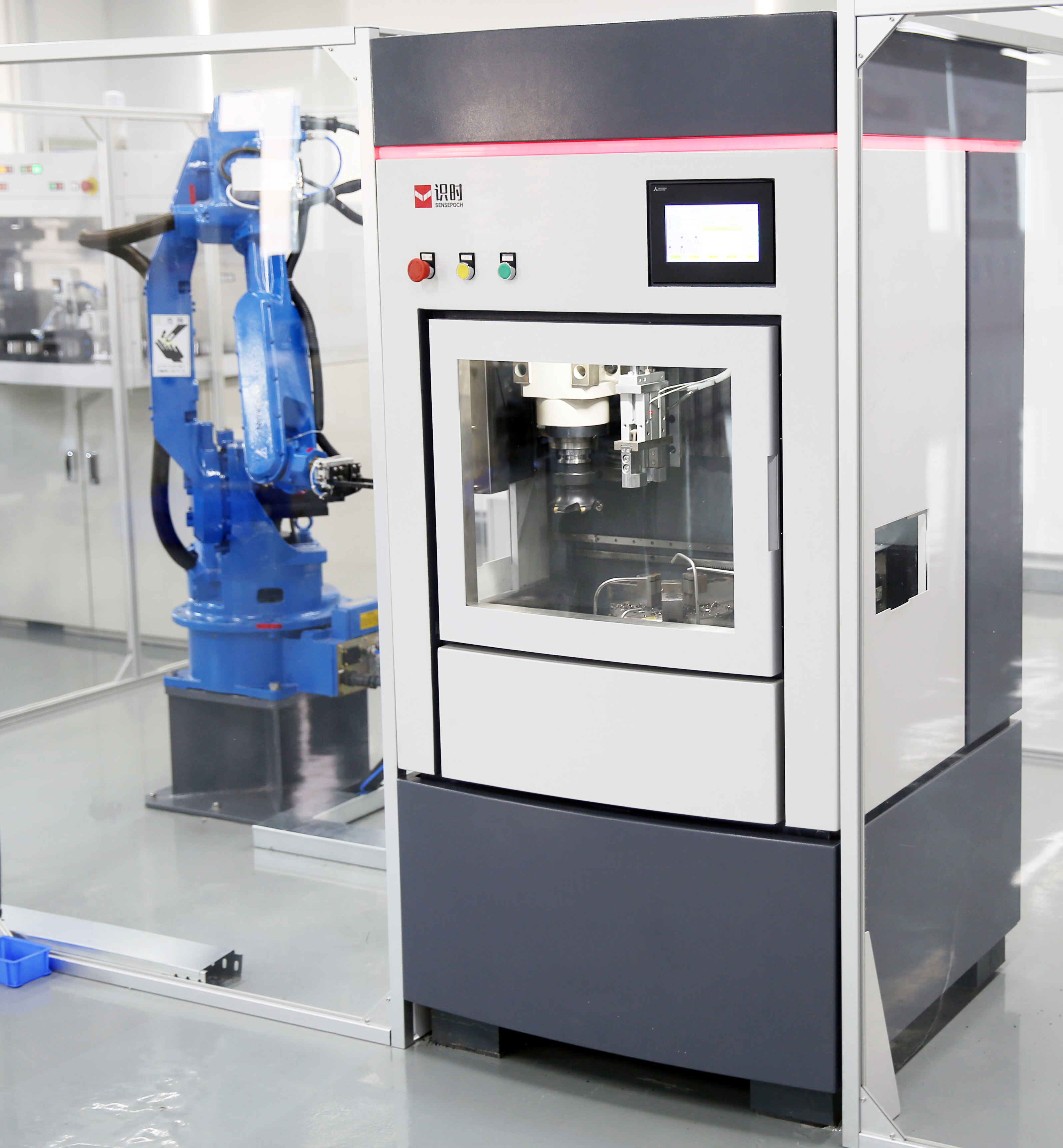
Manufacturing professionals today face a critical decision when selecting machining methods for their production needs. The choice between CNC and manual machining significantly impacts operational efficiency, product quality, and overall profitability. Modern cnc technology has revolutionized manufacturing processes, offering unprecedented precision and automation capabilities. Understanding the fundamental differences between these approaches enables informed decision-making that aligns with specific production requirements and business objectives.
Understanding CNC Machining Technology
Core Principles of Computer Numerical Control
CNC machining represents a sophisticated manufacturing approach that utilizes computer-controlled systems to operate machine tools with exceptional precision. These automated systems interpret digital instructions to execute complex cutting, drilling, and shaping operations. The cnc process begins with computer-aided design software that generates detailed machining programs, which subsequently control every aspect of the manufacturing process. This technological integration eliminates human error while maintaining consistent quality standards across production runs.
The fundamental advantage of cnc technology lies in its ability to replicate exact specifications repeatedly without variation. Advanced servo motors and feedback systems ensure precise positioning and movement control throughout the machining cycle. Modern cnc machines incorporate multiple axes of movement, enabling complex geometries and intricate features that would be challenging or impossible to achieve through manual methods. This capability expansion has opened new possibilities for innovative product designs and manufacturing applications.
Advanced Features and Capabilities
Contemporary cnc systems integrate sophisticated features that enhance productivity and expand manufacturing capabilities. Multi-axis machining centers can perform simultaneous operations on multiple surfaces, dramatically reducing setup times and improving throughput. Tool changers automatically select appropriate cutting implements based on programmed sequences, minimizing operator intervention and maintaining optimal cutting conditions. These advanced capabilities enable cnc machines to handle complex projects that require multiple operations in a single setup.
Quality control systems embedded within cnc platforms provide real-time monitoring and feedback during machining operations. Probe systems verify dimensions and tolerances automatically, ensuring compliance with specified requirements without manual inspection. This integrated approach to quality assurance reduces defect rates and eliminates costly rework scenarios. Additionally, predictive maintenance features monitor machine health and performance, preventing unexpected downtime and optimizing operational efficiency.
Manual Machining Fundamentals
Traditional Craftsmanship and Skill Requirements
Manual machining relies on skilled operators who control machine tools through direct manipulation and visual feedback. This traditional approach requires extensive training and experience to achieve consistent results and maintain quality standards. Experienced machinists develop intuitive understanding of material behavior, cutting forces, and tool performance through years of hands-on practice. The human element in manual machining provides flexibility and adaptability that can be advantageous in certain manufacturing scenarios.
The craftsmanship aspect of manual machining enables immediate problem-solving and process adjustments during production. Skilled operators can modify cutting parameters, adjust tool angles, and compensate for material variations in real-time. This adaptability proves valuable when working with unusual materials or prototype development where specifications may evolve during the manufacturing process. However, this flexibility comes at the cost of consistency and repeatability compared to cnc systems.
Equipment and Operational Characteristics
Manual machining equipment typically features simpler control systems and mechanical interfaces that respond directly to operator input. Conventional lathes, milling machines, and drilling equipment provide basic positioning and movement capabilities controlled through handwheels and mechanical feed systems. These machines often cost significantly less than cnc equivalents and require minimal programming knowledge to operate effectively. The simplicity of manual systems can be advantageous for small shops or educational environments with limited technical resources.
Maintenance requirements for manual machines are generally straightforward and can be performed by operators with basic mechanical knowledge. The absence of complex electronic systems reduces vulnerability to technological failures and eliminates the need for specialized technical support. This reliability factor makes manual equipment attractive for operations in remote locations or environments where technical support may be limited. However, the productivity potential of manual systems is constrained by operator skill levels and physical limitations.
Precision and Quality Comparison
Accuracy Standards and Tolerances
CNC machining consistently achieves superior precision compared to manual operations due to computer-controlled positioning systems and eliminated human variability. Modern cnc machines routinely maintain tolerances within micrometers, enabling production of components for aerospace, medical, and precision instrument applications. The repeatability of cnc processes ensures identical parts throughout production runs, meeting stringent quality requirements demanded by regulated industries. Servo-controlled axes and high-resolution encoders provide positioning accuracy that surpasses human capabilities.
Manual machining precision depends heavily on operator skill level and can vary significantly between different machinists. While experienced operators can achieve impressive accuracy on certain operations, maintaining consistent tolerances across large production quantities becomes increasingly challenging. The human factor introduces variables that affect dimensional accuracy, surface finish quality, and overall part consistency. These limitations make manual machining less suitable for applications requiring tight tolerances or high repeatability standards.
Surface Finish and Quality Control
Surface finish quality in cnc machining results from precisely controlled cutting parameters, consistent tool paths, and optimal spindle speeds. Programmed feeds and speeds eliminate variations that typically occur in manual operations, producing uniform surface textures across all machined surfaces. Advanced cnc systems can automatically adjust cutting conditions based on material properties and desired finish requirements. This capability ensures optimal surface quality while maximizing tool life and productivity.
Quality control in cnc operations benefits from integrated measurement systems and statistical process control capabilities. Automated probing cycles verify critical dimensions during machining, enabling immediate corrections if deviations are detected. This real-time quality assurance prevents defective parts from continuing through production processes. Manual quality control relies on post-machining inspection, which may not detect problems until multiple parts have been completed, potentially resulting in significant material waste and rework costs.
Productivity and Efficiency Analysis
Production Speed and Throughput
CNC systems excel in high-volume production environments where consistent throughput and minimal operator intervention are essential. Once programmed, cnc machines can operate continuously with minimal supervision, maximizing productive machine hours. Automated tool changes, workpiece loading systems, and integrated quality control enable lights-out manufacturing capabilities. These features allow cnc operations to maintain production during non-working hours, significantly increasing overall facility utilization.
Production speed advantages of cnc machining become more pronounced as part complexity increases. Multi-axis capabilities enable simultaneous operations that would require multiple setups in manual machining. Rapid traverse rates between operations and optimized tool paths reduce non-productive time, maximizing cutting efficiency. The ability to machine complex geometries in single setups eliminates handling time and reduces opportunities for errors during part transfers.
Setup Time and Programming Considerations
Initial setup time for cnc operations can be substantial, particularly for complex parts requiring extensive programming and tooling preparation. Programming time varies based on part complexity, but sophisticated CAM software can automate much of the process. Once programs are proven and optimized, setup time for repeat jobs becomes minimal, making cnc highly efficient for production runs. The investment in programming time pays dividends through reduced per-part costs in volume production scenarios.
Manual machining typically requires less initial setup time, especially for simple operations or one-off parts. Experienced operators can begin machining quickly without extensive programming requirements. However, each part requires individual operator attention throughout the manufacturing process, limiting overall productivity. The labor-intensive nature of manual machining makes it less economical for large production quantities but potentially cost-effective for prototype work or small batch production.
Cost Considerations and Economic Factors
Initial Investment and Equipment Costs
CNC machine investments represent significant capital expenditures, with advanced systems costing hundreds of thousands of dollars. These sophisticated machines require specialized tooling, software licenses, and facility infrastructure modifications. The high initial investment must be justified through increased productivity, improved quality, and reduced labor costs over the equipment's operational lifetime. Financing options and leasing programs can help manage the substantial upfront costs associated with cnc implementation.
Manual machining equipment typically requires lower initial investments, making it accessible for smaller operations or startup manufacturing businesses. Basic manual machines can produce quality parts with modest capital requirements, enabling gradual business growth without substantial debt burdens. However, the lower equipment costs must be balanced against higher ongoing labor costs and reduced productivity potential compared to cnc alternatives.
Operating Costs and Labor Requirements
Operating costs for cnc systems include programming time, specialized tooling, software maintenance, and skilled technician wages. While cnc operators command higher wages than manual machinists, each operator can potentially manage multiple machines simultaneously, improving labor efficiency. Energy consumption for cnc machines may be higher due to complex control systems and powerful servo motors, but this cost is often offset by improved productivity and reduced waste.
Manual machining operations typically require lower skill levels initially but depend heavily on operator expertise for quality results. Labor costs constitute a larger percentage of total operating expenses in manual operations due to the hands-on nature of the process. Training costs for developing skilled manual machinists can be substantial and time-consuming. Additionally, manual operations are more susceptible to human error, potentially resulting in higher scrap rates and rework costs.
Application-Specific Considerations
Volume and Production Requirements
Production volume requirements significantly influence the choice between cnc and manual machining approaches. High-volume production scenarios favor cnc systems due to their repeatability, consistency, and reduced per-part labor costs. The ability to run unattended operations during off-hours maximizes equipment utilization and reduces overall manufacturing costs. Cnc programming investments become economically justified when spread across large production quantities.
Low-volume or prototype production may favor manual machining approaches due to reduced setup requirements and programming time. Manual operations provide flexibility for design modifications during the manufacturing process without costly program revisions. The ability to make real-time adjustments can be valuable during product development phases where specifications may evolve. However, as production quantities increase, the economic advantages of manual machining diminish rapidly.
Part Complexity and Geometric Requirements
Complex geometries, intricate features, and tight tolerances strongly favor cnc machining capabilities. Multi-axis cnc systems can machine complex contours, undercuts, and internal features that would be extremely difficult or impossible to achieve manually. The precision positioning and coordinated axis movement of cnc machines enable consistent execution of complex machining strategies. Three-dimensional profiling and sculptured surface machining represent areas where cnc technology provides clear advantages.
Simple parts with basic geometric features may be efficiently produced using manual machining methods, particularly for small quantities. Straightforward operations like turning, facing, and drilling can be accomplished quickly on manual equipment without extensive setup requirements. The decision should consider both current part requirements and potential future complexity increases that might favor cnc capabilities.
Technology Integration and Future Considerations
Industry 4.0 and Smart Manufacturing
Modern cnc systems integrate seamlessly with Industry 4.0 initiatives and smart manufacturing concepts. Internet connectivity enables remote monitoring, predictive maintenance, and production optimization through data analytics. Machine learning algorithms can optimize cutting parameters, tool life, and production scheduling based on historical performance data. These advanced capabilities position cnc technology at the forefront of digital manufacturing transformation.
Integration with enterprise resource planning systems allows cnc machines to receive production orders automatically and report completion status in real-time. This connectivity streamlines workflow management and provides visibility into production progress across the facility. Quality data collected during cnc operations can be analyzed to identify trends, optimize processes, and prevent quality issues before they occur.
Skill Development and Workforce Planning
The evolution toward cnc technology requires workforce development programs that emphasize programming skills, computer literacy, and advanced technical knowledge. Educational institutions and training providers must adapt curricula to address the changing skill requirements in modern manufacturing environments. The shortage of qualified cnc programmers and technicians represents a significant challenge for companies implementing advanced manufacturing technologies.
Traditional manual machining skills remain valuable for troubleshooting, setup operations, and understanding fundamental machining principles. A comprehensive approach to workforce development should combine traditional craftsmanship knowledge with modern cnc technology skills. This balanced approach ensures operators can effectively utilize advanced equipment while maintaining the problem-solving abilities developed through manual machining experience.
FAQ
What factors should determine the choice between CNC and manual machining?
The decision between cnc and manual machining depends on several key factors including production volume, part complexity, required precision, available budget, and timeline constraints. High-volume production with consistent requirements typically favors cnc systems due to their repeatability and efficiency. Complex geometries, tight tolerances, and intricate features are better suited for cnc capabilities. Manual machining may be preferable for prototype work, small quantities, or when budget constraints limit cnc investment options.
How does the learning curve differ between CNC and manual machining?
Manual machining requires extensive hands-on experience to develop the intuitive skills necessary for consistent quality production. The learning curve is gradual but requires years of practice to master complex operations. CNC operation requires different skills focused on programming, setup, and troubleshooting electronic systems. While initial cnc training may be shorter, advanced programming and optimization skills require continuous learning as technology evolves. Both approaches benefit from foundational understanding of machining principles and material properties.
Can small shops justify CNC equipment investments?
Small manufacturing shops can justify cnc investments through careful analysis of their production mix, growth projections, and competitive positioning. Entry-level cnc systems offer capabilities that can differentiate small shops from competitors while improving productivity and quality. Financing options, used equipment markets, and gradual implementation strategies can make cnc technology accessible to smaller operations. The key is matching equipment capabilities to actual production requirements rather than purchasing oversized systems.
What maintenance requirements differ between CNC and manual machines?
CNC machines require more sophisticated maintenance programs due to their complex electronic and mechanical systems. Regular software updates, servo system calibration, and specialized diagnostic equipment are necessary for optimal cnc performance. Manual machines typically require basic mechanical maintenance that can be performed with conventional tools and general mechanical knowledge. However, cnc preventive maintenance programs can actually reduce unplanned downtime through predictive monitoring and scheduled component replacement strategies.