
 EN
EN



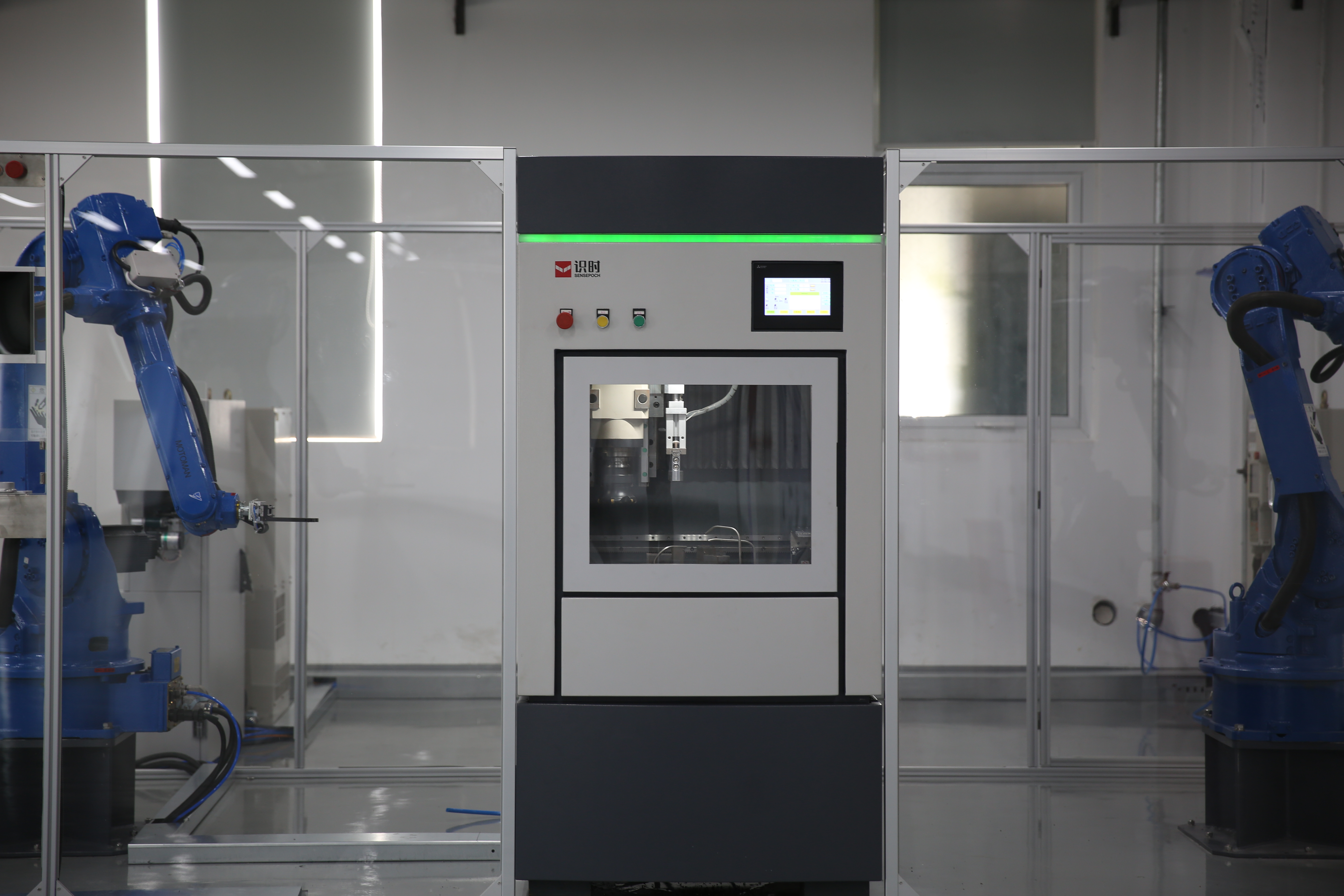
Small businesses seeking to expand their manufacturing capabilities increasingly turn to CNC technology as a cornerstone of modern production. CNC machines offer precision, repeatability, and efficiency that traditional manual machining simply cannot match. For entrepreneurs and small manufacturers, selecting the right CNC equipment represents a critical investment that can transform operational capabilities and market competitiveness. Understanding the landscape of available options helps business owners make informed decisions that align with their specific production requirements and budget constraints.
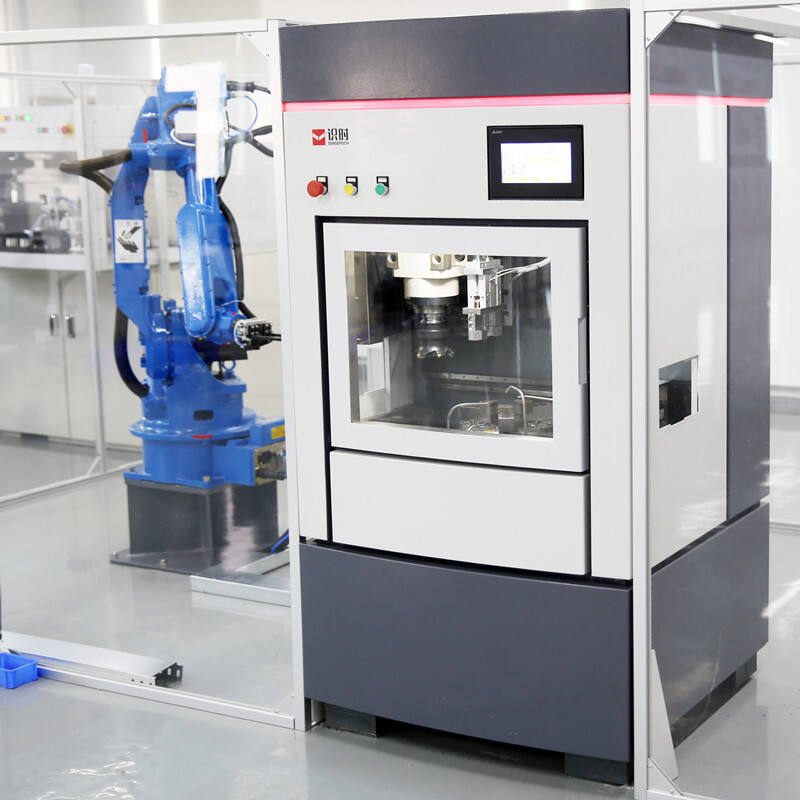
Essential CNC Machine Types for Small Business Operations
Desktop CNC Mills
Desktop CNC mills represent the entry point for many small businesses venturing into computer-controlled machining. These compact systems typically handle materials like aluminum, brass, and various plastics with impressive precision. Most desktop CNC units feature working envelopes ranging from 6x6 inches to 12x12 inches, making them ideal for prototyping, small parts production, and educational applications. The affordability factor makes desktop mills attractive to startups operating with limited capital budgets.
Modern desktop CNC machines incorporate user-friendly software interfaces that simplify programming tasks for operators without extensive machining backgrounds. These systems often include safety features like emergency stops, spindle guards, and enclosed work areas. Many manufacturers now offer plug-and-play solutions that reduce setup complexity and minimize the learning curve associated with CNC operation.
Benchtop CNC Routers
Benchtop CNC routers excel at processing wood, composites, and soft metals, making them versatile additions to small manufacturing facilities. These machines typically feature larger working areas compared to desktop mills while maintaining reasonable footprints suitable for workshop environments. Router-based CNC systems operate at higher spindle speeds, enabling efficient material removal rates for routing, engraving, and cutting applications.
The router configuration allows small businesses to tackle diverse projects ranging from signage production to furniture components. Advanced benchtop routers incorporate automatic tool changers, vacuum hold-down systems, and dust collection capabilities that enhance productivity and maintain clean working conditions.
Critical Selection Factors for Small Business CNC Investment
Working Envelope Requirements
Determining the appropriate working envelope size requires careful analysis of current and projected production needs. Small businesses must balance machine capability against available floor space and budget constraints. CNC machines with larger working envelopes command higher prices but offer greater flexibility for accommodating diverse part sizes and batch quantities.
Consider the maximum part dimensions your business regularly produces and factor in workholding requirements when evaluating envelope specifications. Many successful small manufacturers choose machines slightly larger than their immediate needs to accommodate future growth and unexpected opportunities.
Material Compatibility Assessment
Material compatibility directly impacts CNC machine selection and long-term operational success. Different CNC configurations excel with specific material types, requiring business owners to align machine capabilities with their primary production materials. Aluminum machining demands different spindle characteristics compared to steel processing, while composite materials require specialized tooling and cutting parameters.
Evaluate your target materials' machinability characteristics, including hardness, thermal properties, and chip formation tendencies. This assessment guides decisions regarding spindle power, structural rigidity, and cooling system requirements essential for consistent production quality.
Budget-Friendly CNC Options for Startup Operations
Entry-Level Mill Configurations
Entry-level CNC mills provide accessible pathways into computer-controlled manufacturing without overwhelming capital investment. These machines typically feature simplified control systems, standard spindle configurations, and basic tooling packages that support immediate productivity. Many entry-level options include comprehensive training materials and technical support programs designed specifically for first-time CNC users.
Financing options and lease programs make entry-level CNC equipment accessible to businesses with limited upfront capital. These arrangements often include maintenance packages and upgrade pathways that protect initial investments while providing operational flexibility.
Used CNC Machine Considerations
The used CNC market offers opportunities for small businesses to acquire capable equipment at reduced costs compared to new machine purchases. However, used equipment evaluation requires technical expertise to assess mechanical condition, control system functionality, and remaining service life. Reputable dealers often provide reconditioning services and limited warranties that reduce purchase risks.
When evaluating used cnc equipment, prioritize machines with documented maintenance histories and available technical documentation. Factor potential upgrade costs and parts availability into total ownership calculations to ensure long-term operational viability.
Advanced Features That Enhance Small Business Productivity
Automatic Tool Changing Systems
Automatic tool changers significantly enhance CNC productivity by eliminating manual tool changes between operations. These systems reduce setup times, improve repeatability, and enable unattended operation for extended production runs. For small businesses managing multiple part types, automatic tool changers provide operational flexibility that justifies the additional investment.
Modern tool changer designs accommodate various tool types and sizes while maintaining precise positioning accuracy. Integration with CNC control systems enables automatic tool selection based on programmed operations, reducing operator intervention and potential setup errors.
Integrated Measurement and Quality Control
Advanced CNC systems incorporate measurement capabilities that enable real-time quality monitoring and automatic process adjustments. These features reduce scrap rates, improve dimensional consistency, and minimize manual inspection requirements. Touch probes, laser measurement systems, and integrated coordinate measuring capabilities transform CNC machines into comprehensive manufacturing cells.
Quality control integration particularly benefits small businesses producing precision components where dimensional accuracy directly impacts customer satisfaction and repeat business opportunities. Automated measurement data collection supports quality documentation and traceability requirements.
Maintenance and Support Considerations
Service Network Accessibility
Local service support availability significantly impacts CNC machine ownership costs and operational reliability. Small businesses benefit from choosing manufacturers with established service networks and readily available technical support. Proximity to authorized service centers reduces emergency repair costs and minimizes production disruptions caused by equipment failures.
Evaluate manufacturer support policies, including response times, parts availability, and technical assistance programs. Some manufacturers offer remote diagnostic capabilities and online training resources that supplement local support services.
Preventive Maintenance Programs
Structured preventive maintenance programs protect CNC equipment investments and ensure consistent performance throughout machine service life. These programs typically include scheduled lubrication, calibration checks, and component inspections designed to identify potential issues before they cause production interruptions.
Many CNC manufacturers offer maintenance contracts that provide scheduled service visits, priority parts access, and technical support. These programs often prove cost-effective for small businesses lacking dedicated maintenance personnel or technical expertise.
Software and Programming Solutions
CAM Software Integration
Computer-Aided Manufacturing software transforms design files into CNC machine instructions, serving as the critical link between design intent and manufactured parts. Modern CAM solutions offer intuitive interfaces that enable non-programmers to generate efficient toolpaths for common machining operations. Integration capabilities with popular CAD systems streamline workflow from design to production.
Evaluate CAM software licensing models, including subscription versus perpetual licenses, to align costs with business cash flow patterns. Many CAM vendors offer industry-specific packages that include pre-configured toolpaths and material libraries optimized for common applications.
Control System Capabilities
CNC control systems manage machine operation and directly impact productivity, ease of use, and operational flexibility. Modern controls feature graphical interfaces, conversational programming capabilities, and network connectivity that simplify machine operation and data management. Advanced control systems include simulation capabilities that verify programs before execution, reducing setup time and preventing costly errors.
Consider control system upgrade pathways when selecting CNC equipment, as technology advances may require enhanced capabilities to remain competitive. Some manufacturers offer modular control architectures that accommodate future expansion without complete system replacement.
Return on Investment Analysis
Production Efficiency Improvements
CNC technology delivers measurable productivity improvements through increased machining speeds, reduced setup times, and improved part consistency compared to manual operations. These efficiency gains translate directly into higher production capacity and improved profitability for small businesses. Quantifying these improvements helps justify CNC investments and guides machine selection decisions.
Document current production metrics including cycle times, setup durations, and quality metrics to establish baseline performance measurements. This data enables accurate ROI calculations and provides benchmarks for measuring CNC implementation success.
Labor Cost Optimization
CNC automation reduces labor requirements per part while enabling skilled operators to manage multiple machines simultaneously. This optimization allows small businesses to increase output without proportional increases in labor costs. Additionally, CNC consistency reduces inspection time and rework expenses associated with manual machining variations.
Factor training costs and learning curves into ROI calculations to ensure realistic implementation timelines and cost projections. Many CNC suppliers provide operator training programs that accelerate competency development and minimize productivity disruptions during implementation phases.
FAQ
What is the minimum space requirement for a small business CNC machine
Space requirements vary significantly based on machine type and configuration, but most small business CNC machines require between 50 to 200 square feet including operator access areas, tool storage, and material handling space. Desktop units may operate effectively in spaces as small as 20 square feet, while larger benchtop systems typically need 100 square feet minimum. Consider electrical requirements, ventilation needs, and safety clearances when planning installation spaces.
How much training is required to operate CNC equipment effectively
Basic CNC operation skills typically develop within 2-4 weeks of focused training for individuals with mechanical aptitude. However, advanced programming and troubleshooting capabilities may require 6-12 months of experience to develop fully. Many manufacturers provide comprehensive training programs ranging from basic operation to advanced programming techniques. Online resources, community colleges, and industry associations also offer CNC education programs suitable for small business operators.
What ongoing costs should small businesses budget for CNC ownership
Ongoing CNC ownership costs typically include cutting tools, maintenance supplies, software updates, and periodic calibration services. Budget approximately 10-15% of initial machine cost annually for these operational expenses. Cutting tools represent the largest ongoing expense category, varying based on production volume and material types. Regular maintenance supplies like lubricants, filters, and wear components add additional costs that should be factored into operational budgets.
Can small businesses effectively compete with larger manufacturers using CNC technology
CNC technology enables small businesses to achieve quality levels and precision standards comparable to larger manufacturers while maintaining flexibility advantages in custom work and quick turnaround applications. Small businesses can leverage CNC capabilities to serve specialized markets, provide rapid prototyping services, and offer customization options that larger competitors may find economically challenging. Success depends on identifying market niches where small-scale CNC production provides competitive advantages over high-volume manufacturing approaches.
Table of Contents
- Essential CNC Machine Types for Small Business Operations
- Critical Selection Factors for Small Business CNC Investment
- Budget-Friendly CNC Options for Startup Operations
- Advanced Features That Enhance Small Business Productivity
- Maintenance and Support Considerations
- Software and Programming Solutions
- Return on Investment Analysis
- FAQ