
 EN
EN



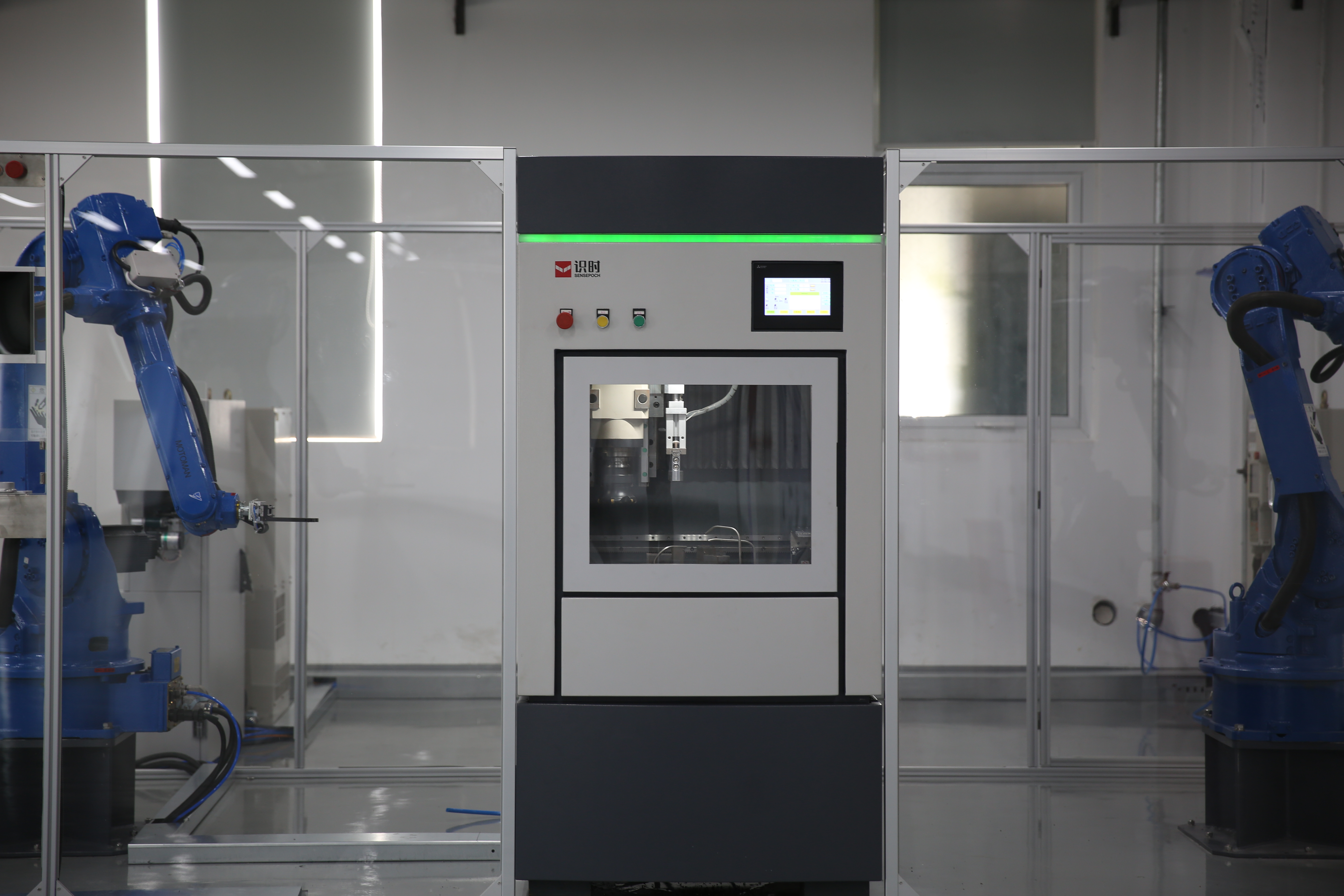
Modern manufacturing facilities rely heavily on computer numerical control technology to maintain precision, efficiency, and consistent quality in production processes. Understanding the fundamentals of cnc machine maintenance has become essential for manufacturing engineers, technicians, and facility managers who want to maximize equipment uptime and minimize costly repairs. The complexity of cnc systems requires a systematic approach to maintenance that encompasses both preventive measures and reactive troubleshooting strategies.
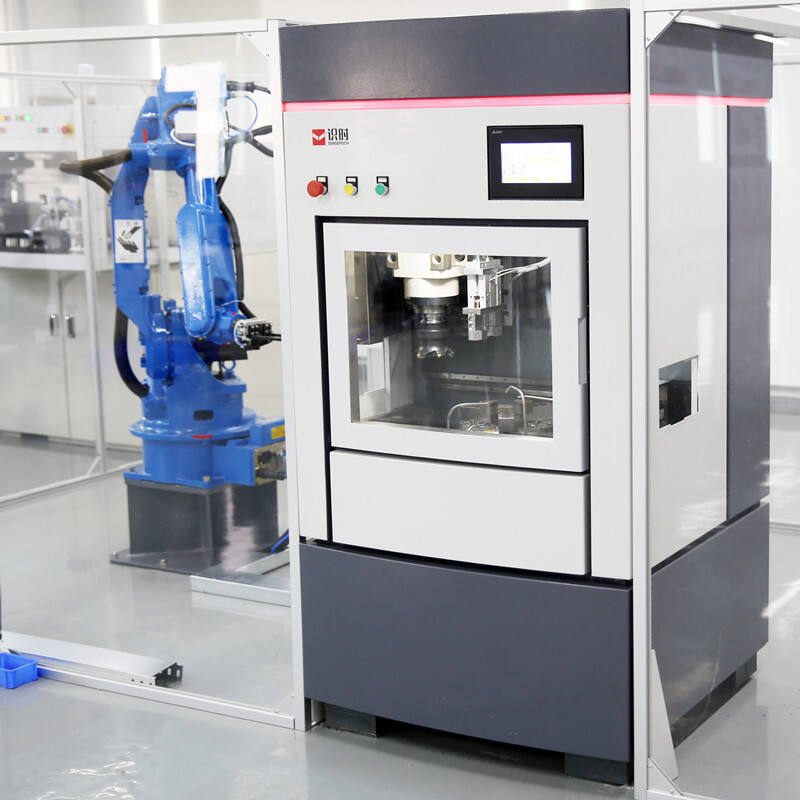
The evolution of cnc technology has transformed traditional machining operations, introducing sophisticated control systems, servo motors, and precision feedback mechanisms that demand specialized maintenance protocols. Today's cnc machines integrate multiple subsystems including spindle assemblies, linear guides, coolant systems, and electronic control units that must work in perfect harmony to deliver the accuracy and repeatability that modern manufacturing demands.
Preventive Maintenance Fundamentals
Daily Inspection Protocols
Establishing comprehensive daily inspection routines forms the foundation of effective cnc maintenance programs. Operators and technicians should conduct visual inspections of critical components, checking for signs of wear, contamination, or unusual vibration patterns. These daily checks include examining cutting tools for wear, verifying coolant levels and quality, and ensuring that all safety systems function properly.
The cnc control system displays provide valuable diagnostic information that skilled technicians can interpret to identify potential issues before they escalate into major problems. Modern cnc machines feature built-in monitoring capabilities that track spindle loads, feed rates, and temperature variations, enabling proactive maintenance decisions based on real-time operational data.
Lubrication System Management
Proper lubrication represents one of the most critical aspects of cnc maintenance, directly impacting the longevity of moving components and overall machine performance. Linear guides, ball screws, and spindle bearings require specific lubricants applied at predetermined intervals to prevent premature wear and maintain dimensional accuracy.
Automated lubrication systems integrated into modern cnc machines help ensure consistent application of lubricants, but these systems themselves require regular maintenance and monitoring. Technicians must verify that lubrication pumps operate correctly, distribution lines remain clear, and appropriate lubricant grades are used for different operating conditions and environmental factors.
Critical System Components
Spindle Assembly Care
The spindle assembly represents the heart of any cnc machining center, requiring meticulous attention to maintain precision and prevent costly failures. Spindle maintenance involves monitoring bearing temperatures, vibration levels, and rotational accuracy while ensuring that coolant passages remain clear and effective.
High-speed cnc spindles generate significant heat during operation, making thermal management crucial for maintaining accuracy and preventing premature bearing failure. Regular inspection of cooling systems, including heat exchangers and coolant pumps, helps ensure optimal spindle operating temperatures and extends component life significantly.
Control System Maintenance
The electronic control system of cnc machines requires specialized maintenance procedures that differ significantly from mechanical components. Regular backup procedures for cnc programs, parameters, and tool offset data protect against data loss and minimize downtime during system repairs or upgrades.
Environmental factors such as dust, moisture, and electromagnetic interference can adversely affect cnc control systems, making proper enclosure maintenance and air filtration essential. Control panels should be cleaned regularly using appropriate anti-static materials, and cooling fans must be inspected and replaced as needed to prevent overheating of sensitive electronic components.
Troubleshooting Common Issues
Dimensional Accuracy Problems
When cnc machines begin producing parts outside specified tolerances, systematic troubleshooting procedures help identify root causes efficiently. Common sources of dimensional inaccuracy include worn cutting tools, spindle runout, thermal growth, and mechanical backlash in feed systems.
Machine calibration procedures using precision measurement tools such as laser interferometers and ball bars provide objective data about cnc machine performance. These diagnostic tools help technicians identify specific components requiring attention and verify the effectiveness of corrective actions taken to restore accuracy.
Surface Finish Degradation
Poor surface finishes on machined parts often indicate problems with cutting parameters, tool condition, or machine rigidity. Cnc operators must understand the relationship between spindle speed, feed rate, and depth of cut to optimize surface quality while maintaining productive machining rates.
Vibration analysis techniques help identify sources of chatter and instability that degrade surface finish quality. Modal testing and frequency response analysis provide insights into structural dynamics that affect cnc machine performance, enabling targeted improvements to machine rigidity and damping characteristics.
Advanced Maintenance Strategies
Predictive Maintenance Technologies
Modern cnc maintenance programs increasingly incorporate predictive technologies that monitor machine condition continuously and alert maintenance teams before failures occur. Vibration monitoring systems, thermal imaging, and oil analysis provide objective data about component health and remaining useful life.
Integration of Industrial Internet of Things sensors with cnc machines enables remote monitoring and analysis of operational parameters. This connectivity allows maintenance teams to track trends, identify patterns, and optimize maintenance schedules based on actual usage patterns rather than arbitrary time intervals.
Tool Management Systems
Comprehensive tool management represents a critical component of cnc maintenance that directly impacts both product quality and production efficiency. Automated tool changers, tool presetters, and tool identification systems help ensure that cutting tools are properly maintained and replaced at optimal intervals.
Digital tool libraries integrated with cnc control systems provide detailed records of tool usage, wear patterns, and replacement schedules. This data enables more accurate prediction of tool life and helps optimize cutting parameters to maximize tool performance while maintaining part quality specifications.
Safety and Environmental Considerations
Workplace Safety Protocols
Maintenance activities on cnc machines require strict adherence to safety protocols that protect both personnel and equipment from potential hazards. Lockout/tagout procedures ensure that machines are properly de-energized during maintenance work, preventing accidental startup that could cause injury or damage.
Personal protective equipment requirements for cnc maintenance work include safety glasses, hearing protection, and appropriate clothing that prevents entanglement with moving machinery. Training programs should emphasize the importance of following established safety procedures and maintaining situational awareness when working around complex cnc systems.
Environmental Impact Management
Responsible cnc maintenance practices include proper disposal of cutting fluids, filters, and other consumable materials in accordance with environmental regulations. Recycling programs for metallic chips and worn cutting tools help minimize waste while recovering valuable materials for reuse.
Energy efficiency considerations in cnc maintenance include optimizing machine parameters to reduce power consumption while maintaining productivity levels. Regular maintenance of electrical systems, including motor drives and transformers, helps ensure efficient operation and reduces environmental impact through lower energy usage.
Training and Documentation
Technician Skill Development
Effective cnc maintenance requires ongoing training programs that keep technicians current with evolving technology and best practices. Manufacturer-sponsored training courses provide detailed knowledge about specific cnc systems, while industry certifications validate competency levels and professional development.
Hands-on training opportunities using actual cnc equipment help technicians develop practical troubleshooting skills that complement theoretical knowledge. Mentorship programs pairing experienced technicians with newcomers facilitate knowledge transfer and help maintain consistency in maintenance practices across organizations.
Maintenance Record Keeping
Comprehensive documentation of cnc maintenance activities provides valuable data for analyzing trends, identifying recurring problems, and optimizing maintenance schedules. Digital maintenance management systems help organize this information and make it accessible to relevant personnel when needed.
Detailed maintenance records support warranty claims, facilitate troubleshooting efforts, and provide evidence of proper care for regulatory compliance purposes. These records should include dates of service, components replaced, adjustments made, and performance measurements taken during maintenance activities.
FAQ
How often should cnc machines receive preventive maintenance
The frequency of cnc machine preventive maintenance depends on several factors including machine utilization, operating environment, and manufacturer recommendations. Most cnc machines benefit from daily inspections, weekly lubrication cycles, and monthly comprehensive maintenance checks. High-production environments may require more frequent maintenance intervals, while machines operating in clean environments with moderate usage may extend some maintenance cycles. The key is establishing a consistent schedule based on actual operating conditions and monitoring machine performance to adjust intervals as needed.
What are the most common causes of cnc machine downtime
The most frequent causes of cnc machine downtime include cutting tool failures, coolant system problems, electrical component malfunctions, and software-related issues. Preventive maintenance programs significantly reduce unplanned downtime by addressing wear items before they fail and maintaining optimal operating conditions. Regular backup of cnc programs and parameters helps minimize downtime associated with control system problems, while proper tool management reduces interruptions caused by tool breakage or wear.
How can operators identify early signs of cnc machine problems
Early warning signs of cnc machine problems include unusual noises, vibration patterns, changes in surface finish quality, dimensional accuracy drift, and increased cycle times. Operators should monitor spindle current draw, coolant flow rates, and temperature readings for deviations from normal operating ranges. Visual inspection of chips and cutting tools provides insights into machining conditions, while attention to alarm messages and diagnostic displays helps identify developing issues before they cause significant problems.
What role does cutting fluid maintenance play in cnc machine care
Cutting fluid maintenance plays a crucial role in cnc machine performance, affecting tool life, surface finish quality, and overall machine condition. Contaminated or degraded coolant can cause premature tool wear, poor surface finishes, and corrosion of machine components. Regular testing of coolant concentration, pH levels, and bacterial contamination helps maintain optimal fluid condition. Proper filtration systems remove chips and contaminants, while biocides prevent bacterial growth that can cause odors and skin irritation for operators working with cnc equipment.