
 EN
EN



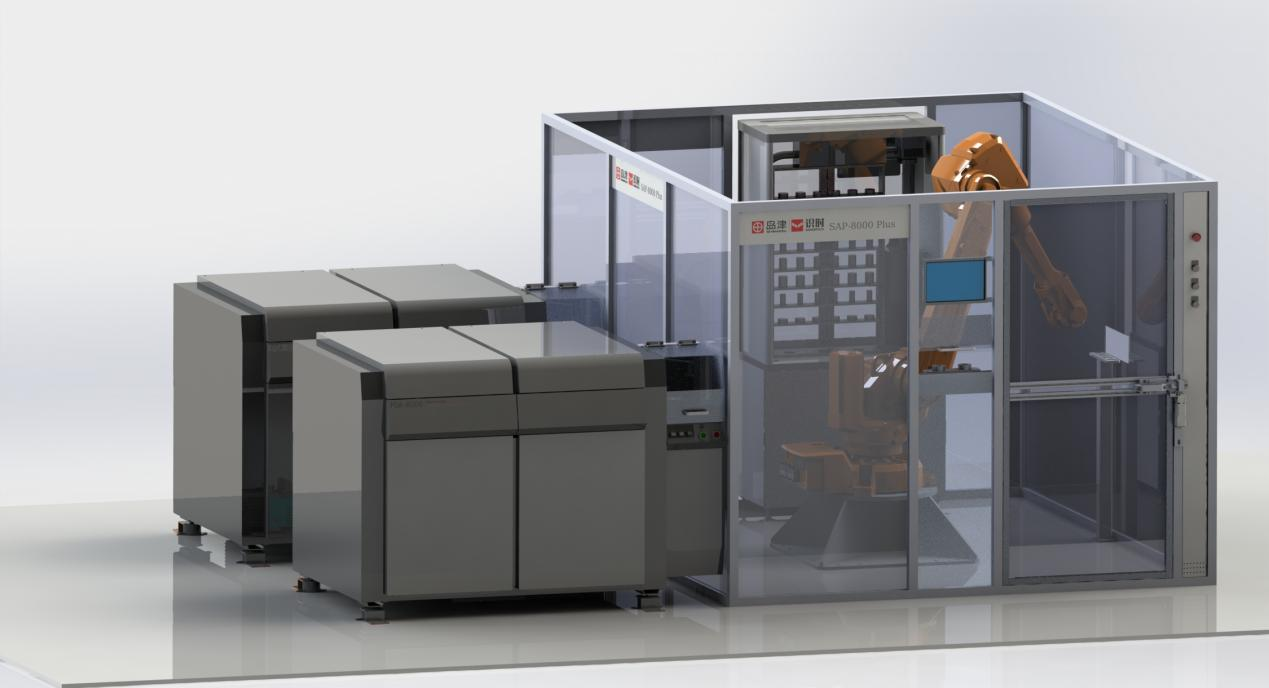
Selecting the right spectrophotometer for your laboratory or industrial application requires careful consideration of multiple technical factors, operational requirements, and budget constraints. A spectrophotometer serves as a fundamental analytical instrument that measures how materials absorb, transmit, or reflect light across different wavelengths, making it essential for quality control, research, and development processes. Modern spectrophotometer technology has evolved significantly, offering enhanced precision, automation capabilities, and user-friendly interfaces that streamline analytical workflows. Understanding the key specifications and features will help you make an informed decision that aligns with your specific measurement needs and long-term operational goals.
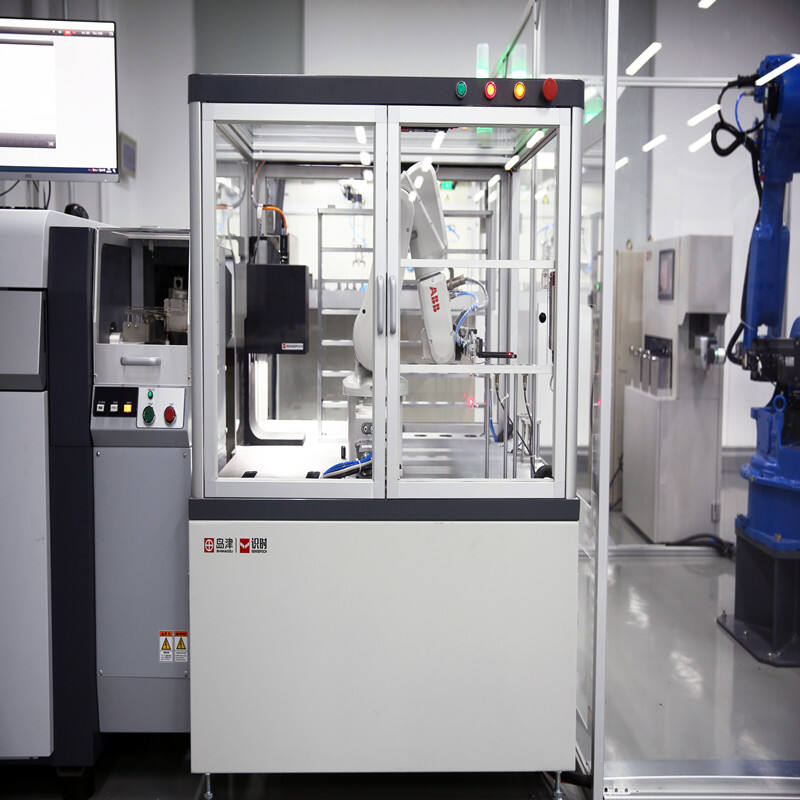
Understanding Spectrophotometer Types and Technologies
UV-Visible Spectrophotometer Systems
UV-visible spectrophotometer instruments operate within the ultraviolet and visible light spectrum, typically ranging from 190 to 1100 nanometers. These systems excel in quantitative analysis of organic compounds, biomolecules, and colored solutions where electronic transitions occur within this wavelength range. The optical design usually incorporates deuterium and tungsten halogen lamps to provide stable illumination across the entire spectral range. Modern UV-visible spectrophotometer models feature advanced photodiode array detectors that simultaneously capture spectral data, reducing analysis time while improving measurement reproducibility.
Double-beam configurations offer superior baseline stability by continuously comparing sample and reference signals, compensating for lamp intensity fluctuations and environmental variations. Single-beam systems provide cost-effective solutions for routine analyses where high precision requirements can be met through careful calibration procedures. Temperature-controlled sample compartments ensure measurement consistency, particularly important when working with temperature-sensitive samples or conducting kinetic studies.
Infrared Spectrophotometer Applications
Infrared spectrophotometer technology focuses on molecular vibrations and rotations, providing detailed structural information about organic and inorganic compounds. Fourier Transform Infrared (FTIR) systems dominate this category, offering rapid scanning capabilities and excellent signal-to-noise ratios through mathematical signal processing. These instruments prove invaluable for material identification, polymer analysis, and pharmaceutical quality control applications where molecular fingerprinting is required.
Mid-infrared spectrophotometer models cover the 4000 to 400 wavenumber range, capturing fundamental molecular vibrations that produce characteristic absorption patterns. Near-infrared systems extend into higher wavenumbers, enabling non-destructive analysis of moisture content, protein levels, and other compositional parameters in agricultural and food industry applications. Attenuated Total Reflectance (ATR) accessories expand sample handling capabilities, allowing direct measurement of solids, liquids, and semi-solid materials without extensive sample preparation.
Critical Performance Specifications
Wavelength Accuracy and Precision
Wavelength accuracy determines how closely the instrument measures the true wavelength of spectral features, while wavelength precision indicates the repeatability of these measurements. High-quality spectrophotometer systems typically achieve wavelength accuracy within ±0.5 nm for UV-visible instruments and ±1 wavenumber for infrared systems. Holmium oxide and didymium glass standards provide traceable references for wavelength calibration verification, ensuring long-term measurement reliability.
Wavelength precision becomes particularly critical when performing quantitative analyses or comparing results between different instruments. Modern spectrophotometer designs incorporate laser-based wavelength calibration systems that automatically verify and adjust wavelength accuracy, reducing maintenance requirements and ensuring consistent performance. Temperature compensation algorithms account for thermal expansion effects on optical components, maintaining wavelength stability across varying environmental conditions.
Photometric Accuracy and Linearity
Photometric accuracy measures how precisely the spectrophotometer determines absorbance or transmittance values, directly impacting quantitative analysis reliability. Standard reference materials with certified absorbance values enable photometric accuracy verification, with high-performance systems achieving uncertainties of ±0.003 absorbance units. Stray light levels significantly influence photometric accuracy, particularly at high absorbance values where small amounts of unwanted radiation can cause substantial measurement errors.
Linearity assessment involves measuring a series of standards with known concentrations to verify the instrument follows Beer's law relationship between concentration and absorbance. Deviation from linearity may indicate optical system problems, detector saturation, or chemical interactions that affect measurement validity. Regular linearity checks using neutral density filters or certified reference solutions help maintain measurement traceability and identify potential system degradation.
Essential Features for Modern Spectrophotometer Selection
Sample Handling and Automation
Advanced sample handling capabilities significantly impact laboratory productivity and measurement consistency. Automated sample changers accommodate multiple cuvettes or sample containers, enabling unattended operation for high-throughput applications. Temperature-controlled sample compartments maintain precise thermal conditions, essential for enzyme kinetics studies and temperature-sensitive analytical methods.
Multi-position cell holders allow simultaneous loading of samples and blanks, reducing handling time and minimizing contamination risks. Sipper systems enable direct sampling from vials or test tubes, eliminating transfer steps that could introduce errors or sample loss. Some spectrophotometer models incorporate robotic sample preparation capabilities, automatically performing dilutions, mixing, and reagent additions to further streamline analytical workflows.
Software Integration and Data Management
Comprehensive software packages transform raw spectrophotometer data into meaningful analytical results through sophisticated algorithms and user-friendly interfaces. Method development tools guide users through optimization procedures, automatically adjusting parameters such as wavelength selection, bandwidth, and measurement timing. Built-in statistical functions calculate standard deviations, confidence intervals, and detection limits to support method validation requirements.
Database integration capabilities enable seamless data sharing with Laboratory Information Management Systems (LIMS) and regulatory compliance platforms. Real-time data visualization helps operators monitor measurement progress and identify potential issues before completing entire analytical runs. Cloud connectivity options facilitate remote monitoring and technical support, allowing manufacturers to provide proactive maintenance recommendations based on usage patterns and performance trends.
Industry-Specific Considerations
Pharmaceutical and Biotechnology Applications
Pharmaceutical laboratories require spectrophotometer systems that comply with stringent regulatory requirements, including 21 CFR Part 11 electronic records guidelines and Good Manufacturing Practice (GMP) standards. Validation protocols must demonstrate system suitability through extensive qualification testing, including Installation Qualification (IQ), Operational Qualification (OQ), and Performance Qualification (PQ) procedures.
Protein analysis applications demand specialized accessories such as micro-volume cells and temperature-controlled cuvette holders to accommodate small sample volumes and maintain biomolecule stability. Nucleic acid quantification requires instruments with excellent performance in the UV region, particularly around 260 nm where nucleic acids exhibit maximum absorption. Built-in correction algorithms compensate for protein contamination and provide accurate concentration calculations for DNA and RNA samples.
Environmental and Water Quality Testing
Environmental testing laboratories utilize spectrophotometer technology for monitoring water quality parameters, including heavy metals, nutrients, and organic pollutants. Flow-through cells enable continuous monitoring applications where sample composition changes over time. Rugged construction and wide operating temperature ranges accommodate field deployment in challenging environmental conditions.
Standard Methods compliance ensures analytical procedures meet regulatory requirements for drinking water, wastewater, and surface water analyses. Multi-wavelength monitoring capabilities allow simultaneous determination of multiple analytes, improving analytical efficiency and reducing sample consumption. Long-term stability specifications ensure reliable operation with minimal maintenance requirements, critical for remote monitoring stations with limited access for routine servicing.
Budget and Long-Term Investment Planning
Initial Purchase Considerations
Spectrophotometer pricing varies significantly based on performance specifications, automation features, and included accessories. Entry-level systems suitable for routine quality control applications typically cost between $10,000 and $25,000, while high-performance research-grade instruments can exceed $100,000 with advanced automation and specialized capabilities. Careful evaluation of required features prevents over-specification while ensuring the selected system meets both current and anticipated future needs.
Lease and rental options provide flexibility for laboratories with limited capital budgets or temporary project requirements. Educational discounts and volume purchasing agreements can significantly reduce acquisition costs for academic institutions and multi-site organizations. Trade-in programs allow credit for existing instruments when upgrading to newer models, helping offset purchase costs while ensuring proper disposal of obsolete equipment.
Operating Cost Analysis
Long-term operating costs include consumables, maintenance contracts, and potential upgrade expenses that may exceed initial purchase prices over the instrument lifetime. Lamp replacement frequency directly impacts operational costs, with LED-based light sources offering extended lifetimes compared to traditional tungsten and deuterium lamps. Energy consumption varies considerably between different spectrophotometer designs, with energy-efficient models reducing utility costs in high-usage laboratories.
Service contract options range from basic warranty extensions to comprehensive coverage including preventive maintenance, emergency repairs, and application support. In-house maintenance capabilities can reduce service costs for organizations with qualified technical staff, though complex optical alignments and electronic calibrations typically require factory-trained technicians. Spare parts availability and lead times become critical factors for instruments supporting time-sensitive analytical workflows.
Future Technology Trends and Developments
Miniaturization and Portable Systems
Advances in detector technology and optical design have enabled development of portable spectrophotometer systems that maintain laboratory-grade performance in compact, battery-operated packages. These instruments expand analytical capabilities to field applications, process monitoring, and point-of-care testing environments where traditional benchtop systems are impractical. Wireless connectivity enables real-time data transmission and remote instrument control through smartphone and tablet interfaces.
Microelectromechanical systems (MEMS) technology continues to drive miniaturization while reducing manufacturing costs and improving reliability. Solid-state light sources eliminate mechanical components prone to vibration sensitivity, enhancing portability without compromising measurement stability. Cloud-based data processing compensates for limited on-board computing resources, enabling sophisticated analysis algorithms in compact instrument packages.
Artificial Intelligence Integration
Machine learning algorithms increasingly support spectrophotometer operation through automated method optimization, anomaly detection, and predictive maintenance capabilities. Pattern recognition software can identify unknown compounds by comparing measured spectra against comprehensive databases, accelerating material identification workflows. Automated quality control algorithms monitor instrument performance continuously, alerting operators to potential issues before they impact measurement quality.
Expert systems guide novice users through complex analytical procedures, reducing training requirements and minimizing operator errors. Predictive models based on historical usage patterns optimize maintenance schedules and consumable replacement timing, reducing unplanned downtime. Advanced data fusion techniques combine spectrophotometer results with other analytical methods to improve measurement accuracy and provide more comprehensive material characterization.
FAQ
What is the difference between single-beam and double-beam spectrophotometer designs
Single-beam spectrophotometer systems pass light through the sample and directly measure transmitted intensity, requiring separate blank measurements to establish reference conditions. Double-beam designs simultaneously measure sample and reference signals, automatically compensating for lamp fluctuations and environmental variations. Double-beam systems offer superior stability and baseline correction but typically cost more than equivalent single-beam instruments. Single-beam systems work well for routine analyses with stable operating conditions and regular blank measurements.
How often should spectrophotometer wavelength calibration be performed
Wavelength calibration frequency depends on application requirements, environmental conditions, and manufacturer recommendations. Most laboratories perform monthly calibration checks using holmium oxide or didymium standards, with more frequent verification for critical applications. Temperature fluctuations, mechanical vibrations, and aging optical components can affect wavelength accuracy over time. Automated calibration systems in modern spectrophotometer models reduce manual intervention while maintaining measurement traceability through continuous monitoring and adjustment.
What sample preparation considerations affect spectrophotometer measurements
Sample preparation significantly impacts spectrophotometer measurement quality and repeatability. Proper dissolution ensures uniform sample distribution and prevents scattering from undissolved particles. pH adjustment may be necessary for ionizable compounds to ensure consistent molecular forms. Filtration removes particulates that cause light scattering and baseline drift. Temperature equilibration prevents thermal gradients that can affect refractive index and cause measurement artifacts in precision applications.
How do I select appropriate cuvettes and sample cells for my spectrophotometer
Cuvette selection depends on wavelength range, sample compatibility, and required optical path length. Quartz cells transmit UV radiation and provide excellent chemical resistance, while glass cells work well for visible light applications at lower cost. Disposable plastic cuvettes offer convenience for routine work but may have limited wavelength ranges and chemical compatibility. Path length affects sensitivity, with longer cells providing increased absorbance signals for dilute samples, while shorter cells prevent detector saturation with concentrated solutions.
Table of Contents
- Understanding Spectrophotometer Types and Technologies
- Critical Performance Specifications
- Essential Features for Modern Spectrophotometer Selection
- Industry-Specific Considerations
- Budget and Long-Term Investment Planning
- Future Technology Trends and Developments
-
FAQ
- What is the difference between single-beam and double-beam spectrophotometer designs
- How often should spectrophotometer wavelength calibration be performed
- What sample preparation considerations affect spectrophotometer measurements
- How do I select appropriate cuvettes and sample cells for my spectrophotometer