
 EN
EN




Understanding the true cost of implementing a pneumatic tube system requires careful analysis of multiple factors that extend far beyond the initial purchase price. Modern facilities across healthcare, laboratories, banking, and industrial sectors increasingly rely on these automated transport solutions to streamline operations and reduce manual handling costs. A comprehensive pneumatic tube system represents a significant capital investment that typically ranges from tens of thousands to several hundred thousand dollars, depending on system complexity, installation requirements, and customization needs.
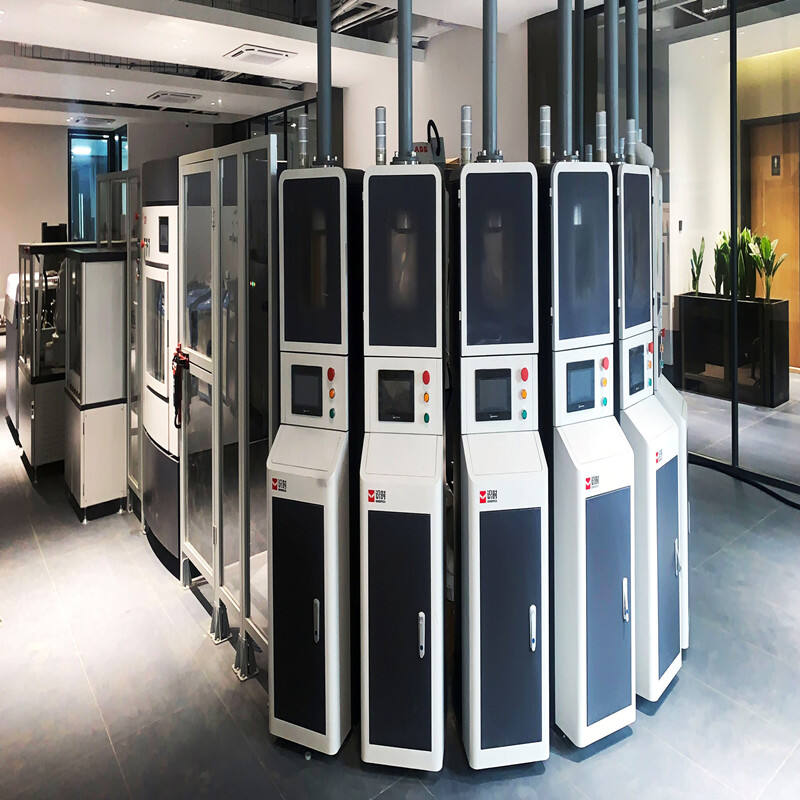
The pricing structure for pneumatic tube system installations involves several distinct components that facility managers must evaluate during the procurement process. Base system costs typically account for only 40-60% of the total project expense, with installation, customization, and ongoing maintenance representing substantial additional investments. Organizations planning to implement these systems must prepare comprehensive budgets that account for both immediate capital expenditure and long-term operational costs over the system's expected 15-20 year lifespan.
Market analysis reveals that pneumatic tube system costs have evolved significantly over the past decade, driven by technological advances in control systems, improved materials, and enhanced automation capabilities. Today's systems offer superior reliability and performance compared to previous generations, justifying higher initial investments through reduced maintenance requirements and improved operational efficiency. Understanding these cost dynamics enables organizations to make informed decisions that align with their operational goals and budget constraints.
System Configuration and Pricing Factors
Basic System Components and Base Pricing
The foundation of any pneumatic tube system consists of several essential components that determine base pricing levels. Central blower units, which provide the air pressure and vacuum necessary for carrier transport, typically represent 15-25% of total system costs. These units range from compact single-zone models priced around $15,000 to large multi-zone systems exceeding $75,000 for complex installations serving multiple buildings or floors.
Network tubing represents another significant cost factor, with pricing varying considerably based on material selection, diameter requirements, and installation complexity. Standard aluminum tubing costs approximately $25-40 per linear foot installed, while specialized stainless steel tubing for pharmaceutical or food service applications can exceed $60 per linear foot. System designers must carefully balance material costs against performance requirements and regulatory compliance needs.
Terminal stations and control interfaces contribute substantially to overall pneumatic tube system pricing, with basic send/receive stations starting around $3,000 and sophisticated multi-carrier stations with advanced user interfaces reaching $12,000 or more. The number of stations required directly impacts total system cost, making station optimization a critical factor in budget management. Modern stations incorporate touchscreen interfaces, user authentication systems, and real-time tracking capabilities that enhance operational efficiency while increasing initial investment requirements.
Advanced Features and Customization Costs
Contemporary pneumatic tube system installations often incorporate advanced features that significantly impact overall pricing structures. Automated diverting systems, which enable carriers to reach multiple destinations without manual intervention, typically add $15,000-30,000 to base system costs. These systems prove particularly valuable in large facilities where manual routing would create operational bottlenecks and reduce overall efficiency.
Integration with existing facility management systems requires specialized software development and hardware interfaces that can add 20-35% to base pneumatic tube system costs. Hospital information systems, laboratory management platforms, and building automation networks require custom programming and ongoing maintenance support. These integrations deliver substantial operational benefits through automated logging, priority routing, and real-time status monitoring capabilities.
Environmental conditioning systems represent another significant cost consideration for facilities requiring precise temperature or humidity control during transport. Refrigerated carriers, heated transport zones, and specialized atmospheric controls can double or triple basic pneumatic tube system pricing. Pharmaceutical facilities, blood banks, and research laboratories frequently require these specialized features to maintain sample integrity and regulatory compliance.
Installation and Implementation Expenses
Labor and Professional Services
Professional installation services typically account for 25-40% of total pneumatic tube system project costs, reflecting the specialized expertise required for proper system commissioning. Certified installation teams must coordinate with multiple building trades, navigate existing infrastructure constraints, and ensure compliance with relevant safety codes and regulations. Installation labor costs vary significantly by geographic region, with urban markets commanding premium pricing due to higher labor costs and increased project complexity.
Project management and engineering services represent essential investments that ensure successful pneumatic tube system implementation. Experienced project managers coordinate installation schedules, manage vendor relationships, and oversee quality control processes throughout the implementation phase. These professional services typically cost $50,000-100,000 for mid-sized installations, representing valuable insurance against costly delays and performance issues.
System commissioning and testing procedures require specialized technicians who verify proper operation, calibrate control systems, and train facility staff on system operation. Comprehensive commissioning programs typically require 2-4 weeks of on-site support, costing $15,000-25,000 depending on system complexity. This investment ensures optimal performance from system startup and reduces the likelihood of operational issues during the critical initial operating period.
Infrastructure and Building Modifications
Building infrastructure modifications often represent unexpected cost factors that can significantly impact pneumatic tube system budgets. Structural modifications required for tubing routes, equipment rooms, and terminal locations typically cost $20,000-75,000 depending on existing building conditions and system routing requirements. Older facilities may require extensive modifications to accommodate modern system requirements and safety standards.
Electrical infrastructure upgrades necessary to support pneumatic tube system operations include dedicated power circuits, emergency backup systems, and network connectivity provisions. These upgrades typically cost $10,000-30,000 for standard installations, with complex facilities requiring substantially higher investments for redundant power systems and sophisticated control networks. Proper electrical planning prevents operational disruptions and ensures reliable system performance over the system lifecycle.
Fire safety and building code compliance modifications may require additional investments in fire suppression systems, emergency shut-off controls, and specialized ventilation provisions. These safety systems typically add 10-15% to overall pneumatic tube system costs but are essential for regulatory compliance and occupant safety. Facility managers must work closely with local authorities to ensure all installations meet current code requirements and safety standards.
Operational Costs and Maintenance Considerations
Ongoing Maintenance and Service Contracts
Annual maintenance contracts for pneumatic tube system installations typically cost 8-12% of initial system value, providing comprehensive support for routine maintenance, emergency repairs, and system optimization services. These contracts include regular inspections, preventive maintenance procedures, and priority response for system failures. Comprehensive service agreements ensure optimal system performance while providing predictable annual operating expenses that facilitate budget planning.
Spare parts inventory management represents an ongoing cost consideration that facility managers must address proactively. Critical components such as carrier assemblies, control boards, and sensor systems require strategic stocking to minimize downtime during failures. Annual spare parts budgets typically range from $5,000-15,000 depending on system size and utilization levels, representing essential insurance against operational disruptions.
System monitoring and performance optimization services help facilities maximize pneumatic tube system efficiency while identifying potential issues before they impact operations. Remote monitoring capabilities enable service providers to track system performance, predict maintenance needs, and optimize routing algorithms for improved efficiency. These advanced services typically cost $3,000-8,000 annually but deliver substantial value through improved reliability and reduced emergency service requirements.
Energy Consumption and Utility Costs
Energy consumption represents a significant ongoing cost factor for pneumatic tube system operations, with annual electricity costs typically ranging from $8,000-25,000 depending on system size and utilization patterns. Modern systems incorporate energy-efficient blower designs and intelligent control systems that minimize power consumption during periods of reduced activity. Variable frequency drives and smart scheduling systems can reduce energy costs by 20-30% compared to older constant-speed installations.
Compressed air systems used in some pneumatic tube system configurations require additional utility infrastructure and ongoing energy costs. Central compressed air systems typically consume 15-25% more energy than dedicated vacuum/pressure blower systems but may offer advantages in facilities with existing compressed air infrastructure. Facility managers must evaluate total utility costs when selecting between different system architectures.
HVAC integration considerations can impact overall facility energy consumption as pneumatic tube system installations may affect building air balance and ventilation requirements. Proper system design minimizes these impacts while ensuring adequate ventilation for equipment rooms and terminal areas. Energy modeling during the design phase helps optimize system configuration for minimal operational cost impact.
Return on Investment Analysis
Labor Cost Savings and Efficiency Gains
Pneumatic tube system implementations typically generate substantial labor cost savings that justify initial investments within 3-5 years of operation. Healthcare facilities commonly report 60-80% reductions in courier and transport staff requirements, translating to annual savings of $100,000-300,000 depending on facility size and previous staffing levels. These savings compound over the system lifecycle, creating substantial net positive returns on pneumatic tube system investments.
Productivity improvements extend beyond direct labor savings to include reduced specimen processing times, improved turnaround times for critical results, and enhanced workflow efficiency. Laboratory facilities report 25-40% improvements in sample processing efficiency following pneumatic tube system implementation. These productivity gains translate to improved patient care outcomes and enhanced competitive positioning for healthcare organizations.
Indirect cost savings include reduced vehicle maintenance, fuel costs, and insurance premiums associated with courier services. Facilities previously relying on external courier services report annual savings of $50,000-150,000 following pneumatic tube system installation. These ongoing savings contribute significantly to overall return on investment calculations and justify higher initial system investments.
Quality and Risk Management Benefits
Error reduction benefits associated with pneumatic tube system implementation provide substantial but often overlooked value propositions. Automated transport systems eliminate manual handling errors, reduce specimen mix-ups, and provide comprehensive audit trails for regulatory compliance. Healthcare facilities report 70-90% reductions in transport-related errors following system implementation, preventing costly rework and potential liability issues.
Chain of custody improvements enabled by modern pneumatic tube system tracking capabilities provide valuable risk management benefits for facilities handling sensitive materials. Automated logging systems document transport times, user interactions, and system events that support regulatory compliance and quality assurance programs. These capabilities prove particularly valuable for clinical laboratories, pharmaceutical facilities, and research institutions subject to strict regulatory oversight.
Insurance and liability considerations may favor facilities with sophisticated transport automation systems that reduce human error risks and provide comprehensive documentation capabilities. Some insurance providers offer premium reductions for facilities implementing advanced automation systems that demonstrably reduce operational risks. These benefits should be factored into comprehensive return on investment analyses for pneumatic tube system projects.
FAQ
What factors most significantly impact pneumatic tube system pricing
System complexity, installation requirements, and customization needs represent the primary cost drivers for pneumatic tube system projects. Basic systems serving single floors with standard routing requirements typically cost $150,000-300,000, while complex multi-building installations with advanced features can exceed $1,000,000. Facility size, station count, and integration requirements directly impact overall pricing, making thorough needs assessment essential for accurate budget planning.
How do maintenance costs compare to initial system investment
Annual maintenance costs typically represent 8-12% of initial pneumatic tube system investment, including comprehensive service contracts, spare parts inventory, and routine maintenance procedures. Over a typical 15-20 year system lifecycle, total maintenance costs approximately equal 120-240% of initial system cost. However, these expenses are offset by substantial operational savings and improved efficiency that justify the ongoing investment.
What financing options are available for pneumatic tube system installations
Capital lease arrangements, equipment financing, and performance-based contracts provide flexible financing alternatives for pneumatic tube system acquisitions. Many vendors offer comprehensive financing packages that include installation, maintenance, and upgrade provisions spread over 5-10 year terms. Performance-based contracts tie payments to system performance metrics, reducing financial risk while ensuring optimal system operation throughout the contract period.
How long does pneumatic tube system installation typically require
Installation timelines vary significantly based on system complexity, building conditions, and coordination requirements with other construction activities. Simple single-floor installations typically require 4-6 weeks, while complex multi-building systems may require 3-6 months for complete implementation. Proper project planning, early vendor engagement, and proactive coordination with building trades minimize installation delays and associated cost overruns that can impact project budgets.