
 EN
EN



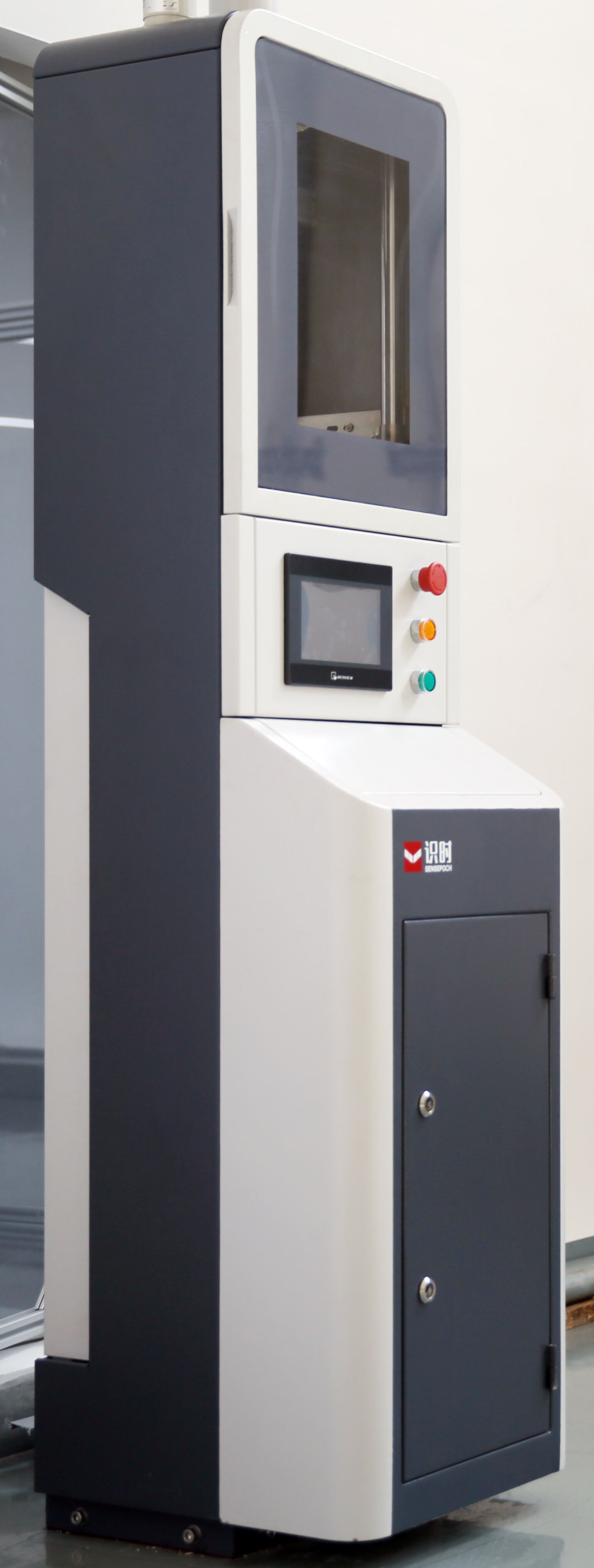
Spectrophotometer testing requires precise handling of sensitive samples to maintain measurement accuracy and reliability. In laboratory environments where sample integrity is paramount, the transportation method between collection points and analytical instruments becomes a critical factor in ensuring valid test results. Traditional manual sample transport methods often introduce variables that can compromise sample quality, including exposure to temperature fluctuations, contamination risks, and human handling errors that may affect spectrophotometric analysis outcomes.
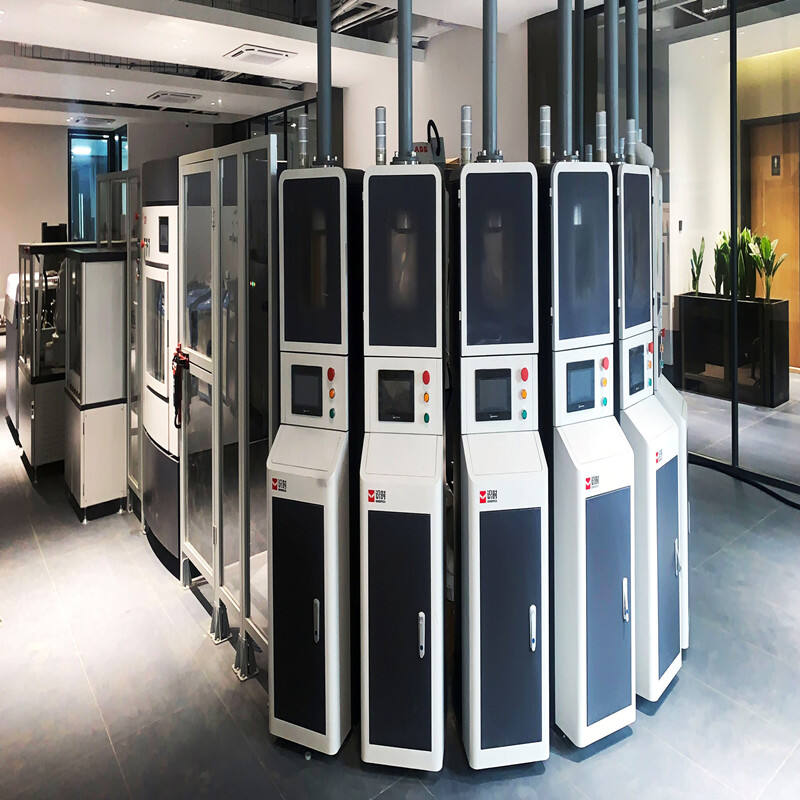
Modern laboratory operations increasingly rely on automated sample transport solutions to address these challenges, with pneumatic tube systems emerging as a sophisticated method for protecting sample integrity during transit. These systems utilize controlled air pressure differentials to transport samples through dedicated pathways, minimizing exposure to environmental contaminants while maintaining consistent transport conditions. The implementation of a pneumatic tube system represents a significant advancement in laboratory automation, particularly for facilities conducting high-volume spectrophotometer testing where sample transport efficiency and integrity are essential for operational success.
Critical Sample Protection Requirements in Spectrophotometer Testing
Temperature Stability During Sample Transport
Spectrophotometer measurements are highly sensitive to temperature variations, making thermal stability a primary concern during sample transportation. Many biological and chemical samples undergo molecular changes when exposed to temperature fluctuations, leading to altered absorption spectra that can skew analytical results. A pneumatic tube system addresses this challenge by providing enclosed transport channels that maintain consistent ambient conditions throughout the delivery process.
The controlled environment within pneumatic transport capsules prevents rapid temperature changes that occur during manual transport through varying laboratory zones. This temperature control becomes particularly important for samples containing temperature-sensitive compounds, enzymes, or proteins that may denature or undergo conformational changes affecting their spectrophotometric properties. Laboratory managers recognize that implementing a pneumatic tube system reduces temperature-related measurement errors and improves the reproducibility of spectrophotometer testing protocols.
Advanced pneumatic tube system configurations include temperature monitoring capabilities that track sample conditions throughout transport. This monitoring provides documentation for quality assurance protocols and helps laboratories maintain compliance with analytical testing standards that require documented sample handling procedures.
Contamination Prevention Strategies
Contamination control represents another critical aspect of sample protection during transport to spectrophotometer testing stations. External contaminants can introduce interfering substances that create false peaks or alter absorption readings, compromising analytical accuracy. Traditional open-transport methods expose samples to airborne particles, cleaning chemicals, and cross-contamination from other laboratory activities.
A properly designed pneumatic tube system creates a closed transport environment that isolates samples from potential contaminant sources. The sealed capsules used in these systems prevent exposure to laboratory air, reducing the risk of particulate contamination or chemical vapor interference. This isolation is particularly valuable in multi-use laboratory facilities where various analytical procedures may generate airborne contaminants.
The cleaning and sterilization protocols for pneumatic tube system components ensure that transport pathways remain free from residual contaminants. Regular maintenance procedures include capsule sanitization and tube cleaning cycles that prevent the accumulation of substances that could affect subsequent sample deliveries. These protocols support laboratories in maintaining the clean sample conditions required for accurate spectrophotometer analysis.
Transport Mechanism Advantages for Analytical Sample Integrity
Pressure-Controlled Movement Dynamics
The fundamental operating principle of a pneumatic tube system involves controlled air pressure differentials that propel sample containers through dedicated transport tubes. This pressure-based movement offers significant advantages over mechanical transport methods, particularly regarding sample stability during transit. The smooth acceleration and deceleration profiles achievable with pneumatic systems minimize physical stress on samples that might otherwise cause sedimentation, mixing, or structural changes.
Pressure control systems in modern pneumatic tube installations allow for customized transport parameters based on sample characteristics. Fragile samples or those prone to agitation-induced changes can be transported using gentler pressure profiles, while routine samples can utilize standard transport speeds for efficient throughput. This flexibility makes the pneumatic tube system particularly suitable for laboratories handling diverse sample types requiring different handling considerations.
The consistent transport dynamics provided by pneumatic systems eliminate the variability inherent in manual sample delivery. Human carriers may introduce different handling forces, transport speeds, and pathway variations that can affect sample consistency. Automated pneumatic transport ensures that every sample experiences identical transport conditions, supporting the reproducibility requirements of rigorous spectrophotometer testing protocols.
Reduced Physical Handling Requirements
Minimizing direct human contact with samples during transport significantly reduces the potential for handling-related errors or contamination. Manual sample transport requires laboratory personnel to interact with sample containers multiple times during the delivery process, creating opportunities for contamination, mislabeling, or accidental sample mixing. A pneumatic tube system eliminates most of these human interaction points by automating the transport process from origin to destination.
The reduction in physical handling also decreases the likelihood of sample container damage or spillage during transport. Automated pneumatic delivery systems include shock-absorption features and controlled deceleration mechanisms that protect sample containers from impact damage. This protection is particularly important for glass vials or other fragile containers commonly used in spectrophotometer testing applications.
Laboratory staff can focus their attention on sample preparation and analysis tasks rather than transport logistics when a pneumatic tube system handles delivery operations. This reallocation of human resources improves overall laboratory efficiency while reducing the potential for transport-related errors that could compromise spectrophotometer testing results.
Integration Strategies for Laboratory Workflow Enhancement
Automated Sample Tracking Implementation
Modern pneumatic tube system installations incorporate sophisticated tracking capabilities that monitor sample movement throughout the transport network. These tracking systems utilize barcode scanning, RFID technology, or other identification methods to maintain real-time visibility of sample locations and transport status. For spectrophotometer testing workflows, this tracking capability provides essential documentation for chain-of-custody requirements and quality assurance protocols.
Integration with laboratory information management systems enables automated sample routing and delivery confirmation. The pneumatic tube system can receive electronic delivery instructions and provide confirmation when samples reach their designated spectrophotometer testing stations. This integration eliminates manual tracking procedures and reduces the administrative burden associated with sample logistics management.
Tracking data generated by the pneumatic tube system supports analytical quality control by providing timestamped records of sample transport conditions. This documentation helps laboratories demonstrate compliance with analytical testing standards and provides valuable data for investigating any anomalous spectrophotometer results that might be related to sample handling or transport issues.
Workflow Synchronization with Testing Schedules
Effective integration of a pneumatic tube system requires careful coordination with spectrophotometer testing schedules to optimize laboratory throughput and minimize sample waiting times. Automated scheduling systems can coordinate sample collection, transport timing, and instrument availability to create seamless workflows that maximize analytical productivity while maintaining sample integrity.
The rapid transport capabilities of pneumatic systems enable just-in-time sample delivery that reduces the time between sample collection and analysis. This timing optimization is particularly valuable for time-sensitive samples that may undergo degradation or changes if held for extended periods before spectrophotometer testing. Shortened transport times help ensure that analytical results accurately reflect sample conditions at the time of collection.
Workflow synchronization also involves coordinating pneumatic tube system capacity with peak testing demands. During high-volume periods, the system can prioritize urgent samples while managing routine deliveries to prevent bottlenecks. This traffic management capability helps laboratories maintain consistent turnaround times for spectrophotometer testing even during periods of increased analytical demand.
Quality Assurance Benefits for Analytical Accuracy
Standardized Transport Conditions
The implementation of a pneumatic tube system establishes standardized transport conditions that support analytical quality assurance objectives. Unlike manual transport methods that introduce variability based on individual handling practices, pneumatic systems deliver consistent transport parameters for every sample delivery. This standardization is essential for maintaining the reproducibility requirements of validated analytical methods used in spectrophotometer testing.
Standardized conditions include consistent transport times, environmental exposure, and handling forces that affect sample integrity. Quality control procedures can rely on these consistent parameters when evaluating analytical results and investigating any deviations from expected performance. The predictable nature of pneumatic transport supports statistical quality control methods that depend on consistent sample handling conditions.
Documentation of transport parameters provides valuable data for method validation and regulatory compliance activities. Laboratories can demonstrate that sample transport conditions remain within validated ranges, supporting the reliability of spectrophotometer testing results. This documentation is particularly important for regulated industries where analytical method validation must include consideration of all factors affecting measurement accuracy.
Error Reduction in Sample Identification
Automated sample transport through a pneumatic tube system significantly reduces opportunities for sample identification errors that can compromise analytical accuracy. Manual transport processes involve multiple handling steps where samples might be mislabeled, mixed up, or delivered to incorrect destinations. Automated tracking and routing capabilities eliminate many of these error sources by managing sample identification electronically.
Integration with laboratory information systems enables automatic verification of sample identity at various points during transport. The pneumatic tube system can confirm that samples are being delivered to the correct spectrophotometer testing stations and alert operators to any discrepancies before analysis begins. This verification capability prevents costly analytical errors and rework that would otherwise result from sample mix-ups.
Barcode or RFID tracking systems associated with pneumatic transport provide audit trails that document sample movement and handling. This documentation supports investigation of any analytical discrepancies and helps identify potential sources of error in sample transport or identification processes. The comprehensive tracking capability enhances overall laboratory quality management systems.
Implementation Considerations for Laboratory Operations
System Design Requirements for Spectrophotometer Integration
Successful implementation of a pneumatic tube system for spectrophotometer testing requires careful consideration of laboratory layout and analytical workflow requirements. The system design must accommodate the physical constraints of existing laboratory infrastructure while providing efficient sample delivery pathways to all spectrophotometer testing locations. Tube routing should minimize transport distances while avoiding areas with potential contamination sources or environmental hazards.
Integration points must be strategically located to support efficient sample loading and unloading procedures. Pneumatic tube terminals should be positioned near spectrophotometer workstations to minimize additional handling steps after automated delivery. The terminal design should accommodate the specific sample container types used in spectrophotometer testing while providing easy access for laboratory personnel.
System capacity planning must consider peak sample volumes and transport frequency requirements to prevent bottlenecks during busy periods. The pneumatic tube system should have sufficient throughput capability to handle maximum anticipated sample loads without creating delays that could affect analytical scheduling. Proper capacity planning ensures that the automated transport system enhances rather than limits laboratory productivity.
Maintenance and Validation Protocols
Ongoing maintenance requirements for a pneumatic tube system include regular inspection and cleaning procedures that ensure continued reliable operation. Transport tubes must be inspected for wear, damage, or contamination that could affect sample integrity during delivery. Cleaning protocols should address both routine maintenance and deep cleaning procedures needed to maintain the sterile conditions required for sensitive analytical samples.
Validation protocols must demonstrate that the pneumatic tube system consistently delivers samples without compromising their suitability for spectrophotometer testing. This validation includes testing sample stability during transport, confirming that transport conditions do not introduce analytical interference, and documenting system performance under various operating conditions. Regular validation activities ensure continued compliance with analytical quality standards.
Performance monitoring systems should track key parameters such as transport times, pressure variations, and system availability to identify potential issues before they affect analytical operations. Preventive maintenance schedules based on system usage and performance data help maintain optimal operating conditions while minimizing unexpected downtime that could disrupt spectrophotometer testing workflows.
FAQ
How does a pneumatic tube system maintain sample temperature during transport for spectrophotometer testing?
A pneumatic tube system maintains sample temperature through enclosed capsules that protect samples from environmental temperature fluctuations during transport. The sealed environment prevents rapid temperature changes that occur with open-air transport methods, while the controlled transport conditions minimize thermal exposure time between collection and spectrophotometer analysis.
What types of sample containers are compatible with pneumatic tube systems for spectrophotometer applications?
Pneumatic tube systems accommodate various sample container types commonly used in spectrophotometer testing, including standard glass vials, plastic tubes, and cuvettes. The transport capsules are designed with protective cushioning to secure different container sizes while preventing damage during pneumatic transport. Custom capsule configurations can be developed for specialized container requirements.
Can pneumatic tube systems handle both urgent and routine spectrophotometer samples effectively?
Modern pneumatic tube systems include priority routing capabilities that can expedite urgent samples while managing routine deliveries efficiently. The automated control system can assign priority levels to different samples and adjust transport scheduling accordingly, ensuring that time-sensitive spectrophotometer testing samples receive immediate transport while maintaining overall system throughput.
What documentation does a pneumatic tube system provide for spectrophotometer testing quality assurance?
Pneumatic tube systems generate comprehensive transport records including timestamps, transport conditions, sample identification verification, and delivery confirmation data. This documentation supports quality assurance protocols by providing auditable records of sample handling conditions, transport times, and chain-of-custody information required for analytical testing compliance and method validation activities.
Table of Contents
- Critical Sample Protection Requirements in Spectrophotometer Testing
- Transport Mechanism Advantages for Analytical Sample Integrity
- Integration Strategies for Laboratory Workflow Enhancement
- Quality Assurance Benefits for Analytical Accuracy
- Implementation Considerations for Laboratory Operations
-
FAQ
- How does a pneumatic tube system maintain sample temperature during transport for spectrophotometer testing?
- What types of sample containers are compatible with pneumatic tube systems for spectrophotometer applications?
- Can pneumatic tube systems handle both urgent and routine spectrophotometer samples effectively?
- What documentation does a pneumatic tube system provide for spectrophotometer testing quality assurance?