
 EN
EN



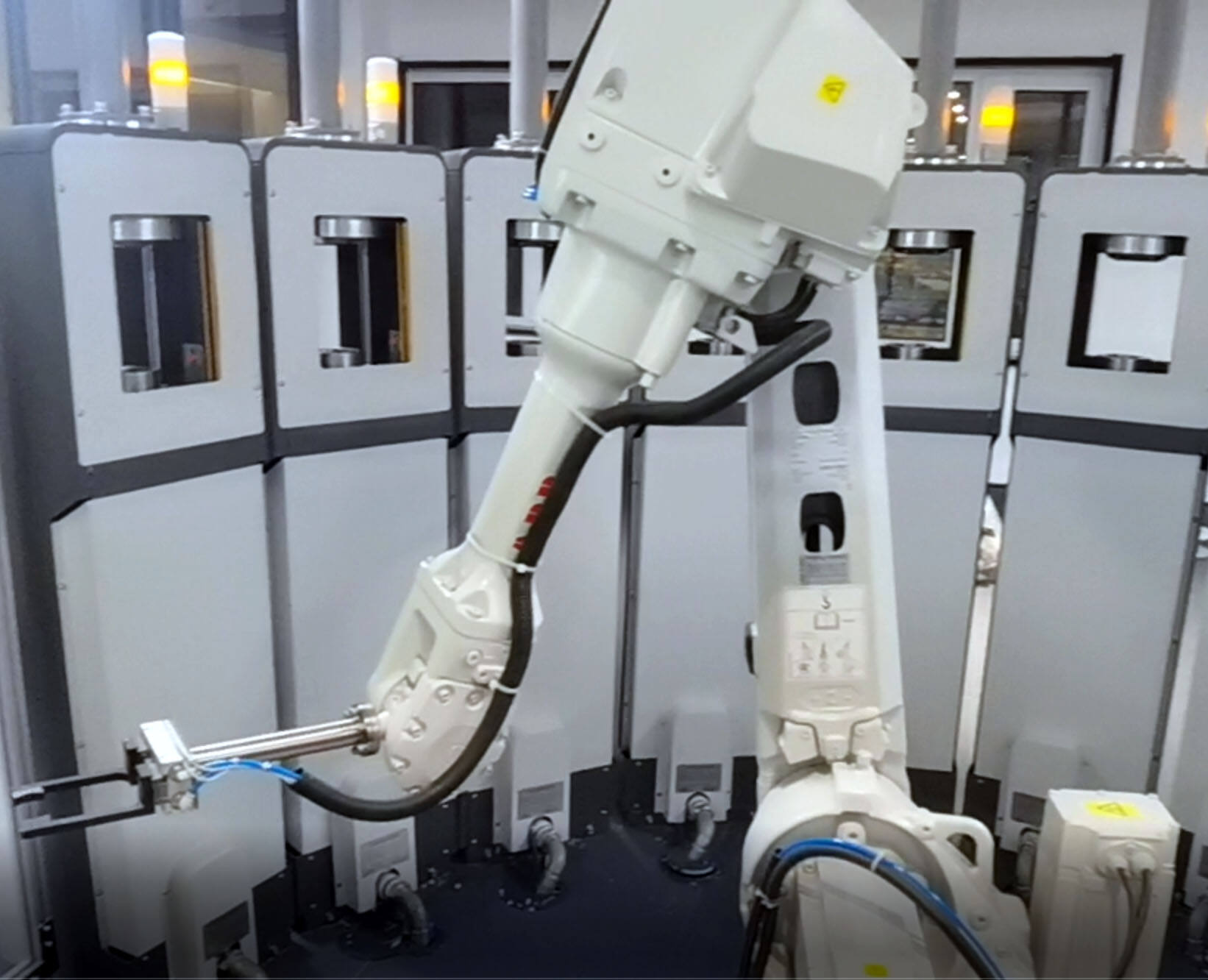
Clinical laboratories face mounting pressure to deliver accurate test results faster while maintaining the highest quality standards. The integration of pneumatic tube systems with spectrophotometer analysis represents a transformative approach to laboratory efficiency, eliminating traditional bottlenecks in sample transport and processing workflows. This innovative combination reduces manual handling errors, accelerates turnaround times, and enables laboratories to process higher sample volumes without compromising analytical precision.
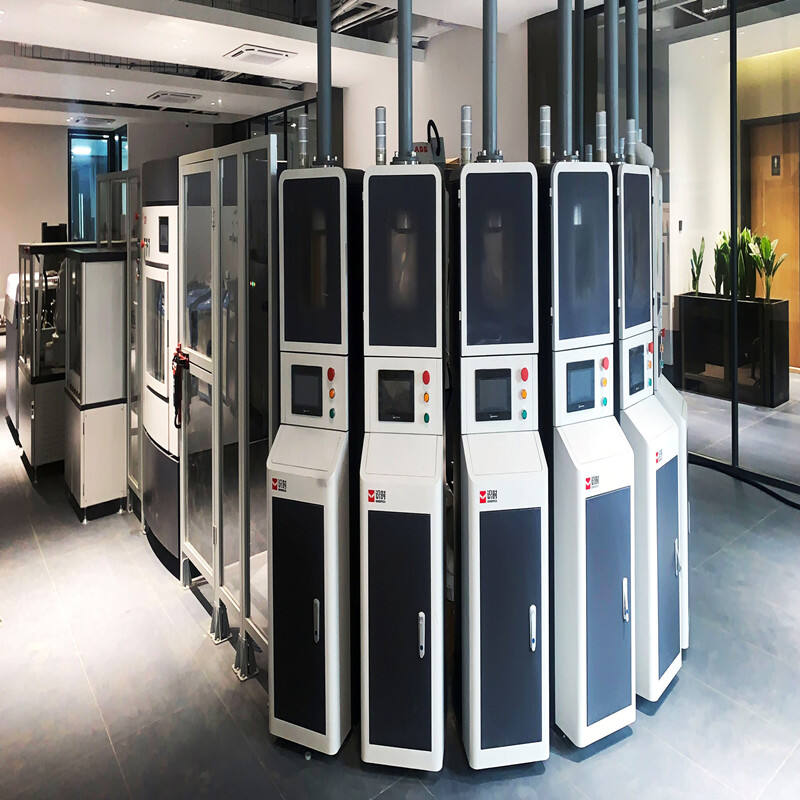
Modern healthcare facilities require seamless integration between sample collection points and analytical instruments to meet growing diagnostic demands. A well-designed pneumatic tube system creates direct pathways between patient care areas and laboratory spectrophotometers, enabling real-time sample processing that significantly impacts patient care outcomes. This automated approach transforms traditional laboratory logistics into a streamlined, efficient operation that maximizes both equipment utilization and staff productivity.
Strategic Implementation of Pneumatic Transport for Spectrophotometer Operations
Direct Sample Pathway Optimization
The strategic placement of pneumatic tube system terminals directly adjacent to spectrophotometer stations creates an uninterrupted sample flow that eliminates traditional transport delays. This configuration enables laboratory technicians to receive samples within minutes of collection, immediately beginning spectrophotometric analysis without the typical waiting periods associated with manual transport systems. The pneumatic tube system ensures that temperature-sensitive samples reach analytical instruments within optimal timeframes, preserving sample integrity and analytical accuracy.
Laboratory workflow optimization requires careful consideration of pneumatic tube system routing to minimize transport time while maintaining sample security. The most effective installations feature dedicated pathways between critical care areas and spectrophotometer workstations, ensuring priority samples receive immediate processing attention. This direct routing approach reduces the risk of sample mix-ups and ensures that urgent diagnostic requests reach analytical instruments without delay.
Automated Sample Reception and Processing
Advanced pneumatic tube system integration includes automated sample reception protocols that seamlessly interface with spectrophotometer preparation workflows. These systems feature intelligent routing capabilities that can direct different sample types to appropriate spectrophotometer stations based on test requirements and instrument availability. The automated nature of this process reduces manual handling steps and minimizes the potential for pre-analytical errors that could compromise test results.
The integration of barcode scanning and tracking systems within pneumatic tube system stations enables real-time monitoring of sample progress from collection to spectrophotometer analysis. This comprehensive tracking capability provides laboratory managers with visibility into sample processing times and helps identify opportunities for further efficiency improvements. The automated documentation generated by these integrated systems also supports quality assurance protocols and regulatory compliance requirements.
Enhancing Spectrophotometer Utilization Through Rapid Sample Delivery
Maximizing Instrument Throughput
The rapid sample delivery capabilities of a pneumatic tube system directly impact spectrophotometer utilization rates by ensuring continuous sample availability for analysis. Traditional sample transport methods often create gaps in instrument operation where spectrophotometers remain idle while waiting for the next batch of samples. The pneumatic tube system eliminates these idle periods by providing a steady stream of samples that keeps analytical instruments operating at optimal capacity throughout the day.
Laboratory efficiency metrics demonstrate significant improvements in spectrophotometer throughput when pneumatic tube systems provide consistent sample delivery. The reduced variability in sample arrival times enables laboratory managers to better predict instrument workloads and optimize staffing schedules accordingly. This predictable workflow also allows for more effective maintenance scheduling, ensuring spectrophotometers remain available when sample volumes are highest.
Real-Time Priority Sample Processing
Emergency and stat samples require immediate spectrophotometer analysis to support critical patient care decisions. A pneumatic tube system enables real-time priority sample processing by providing direct transport pathways that bypass traditional sample processing queues. This capability ensures that urgent samples reach spectrophotometer stations within minutes of collection, enabling rapid turnaround times that can be critical for patient outcomes.
The integration of priority routing protocols within pneumatic tube systems allows laboratory staff to designate high-priority samples that receive preferential transport to spectrophotometer workstations. These systems can automatically alert laboratory technicians when priority samples arrive, ensuring immediate attention and rapid processing. This responsive capability transforms emergency laboratory operations by providing the speed necessary for critical care support.
Quality Assurance and Sample Integrity in Pneumatic Transport
Temperature Control and Sample Preservation
Maintaining optimal sample conditions during transport is crucial for accurate spectrophotometer analysis, and modern pneumatic tube systems incorporate temperature monitoring and control features that preserve sample integrity throughout the transport process. These systems monitor ambient conditions within transport carriers and can alert laboratory staff if samples are exposed to temperatures outside acceptable ranges. The rapid transport times achieved by pneumatic tube systems also minimize sample exposure to potentially degrading environmental conditions.
Temperature-sensitive samples requiring spectrophotometer analysis benefit significantly from the rapid transport capabilities of pneumatic tube systems. The reduced transport time minimizes opportunities for sample degradation and ensures that analytical results accurately reflect patient conditions at the time of collection. This preservation of sample quality is particularly important for enzymatic assays and other time-sensitive spectrophotometric analyses.
Contamination Prevention and Chain of Custody
The enclosed transport environment provided by pneumatic tube systems protects samples from external contamination during transport to spectrophotometer stations. This protected transport pathway eliminates exposure to airborne contaminants and prevents cross-contamination between samples that could affect analytical accuracy. The sealed carrier system also prevents sample spillage and maintains specimen integrity throughout the transport process.
Chain of custody documentation is seamlessly maintained through integrated tracking systems that record sample movement from collection points to spectrophotometer analysis stations. These automated tracking capabilities provide complete audit trails that support quality assurance protocols and regulatory compliance requirements. The electronic documentation generated by pneumatic tube systems eliminates manual logging requirements and reduces the potential for documentation errors.
Integration Strategies for Laboratory Workflow Optimization
Spectrophotometer Station Configuration
Optimal laboratory design places pneumatic tube system receiving stations in close proximity to spectrophotometer workbenches to minimize manual sample handling after transport. This strategic positioning enables laboratory technicians to immediately transfer samples from pneumatic carriers to analytical instruments without additional transport steps. The reduced handling minimizes pre-analytical variables that could impact spectrophotometer results and accelerates the overall analysis process.
The configuration of pneumatic tube system terminals should accommodate the workflow patterns of spectrophotometer operations, including sample preparation areas and result reporting stations. Integrated workstation designs that combine pneumatic sample reception with spectrophotometer operation create efficient workflows that maximize technician productivity. These optimized configurations reduce unnecessary movement and enable technicians to focus on analytical procedures rather than sample logistics.
Staff Training and Workflow Adaptation
Successful implementation of pneumatic tube systems for spectrophotometer operations requires comprehensive staff training that covers both technical operation and workflow integration procedures. Laboratory technicians must understand proper sample handling protocols for pneumatic transport and be familiar with the integration points between sample reception and spectrophotometer analysis. This training ensures that the efficiency gains from pneumatic transport are fully realized through optimized staff procedures.
Workflow adaptation involves restructuring traditional laboratory procedures to take advantage of the rapid sample delivery capabilities provided by pneumatic tube systems. This may include adjusting shift schedules to accommodate increased sample throughput and modifying quality control procedures to account for the automated aspects of pneumatic transport. The most successful implementations involve collaborative planning between laboratory management and staff to optimize both technical and procedural aspects of the integrated system.
Performance Monitoring and Continuous Improvement
Metrics and Analytics for System Optimization
Comprehensive performance monitoring of pneumatic tube systems integrated with spectrophotometer operations provides valuable data for continuous improvement initiatives. Key metrics include sample transport times, spectrophotometer utilization rates, and overall turnaround times from sample collection to result reporting. These analytics enable laboratory managers to identify bottlenecks and optimize system performance for maximum efficiency gains.
The data generated by integrated pneumatic tube systems supports evidence-based decision making for laboratory improvements. Real-time monitoring dashboards provide visibility into sample flow patterns and help identify peak demand periods that may require additional resources or process adjustments. This analytical approach ensures that investments in pneumatic tube system technology deliver measurable improvements in laboratory efficiency and patient care.
Maintenance and Reliability Considerations
Regular maintenance of pneumatic tube systems is essential for maintaining reliable sample transport to spectrophotometer stations. Preventive maintenance protocols should address both mechanical components and electronic systems to ensure consistent performance. The reliability of pneumatic transport directly impacts spectrophotometer operations, making maintenance planning a critical component of laboratory management.
Backup procedures and redundancy planning ensure continuous spectrophotometer operations even during pneumatic tube system maintenance periods. These contingency plans may include alternative transport methods or temporary workflow adjustments that maintain laboratory productivity during system downtime. Effective maintenance planning minimizes disruptions to spectrophotometer operations while ensuring long-term system reliability.
FAQ
How does a pneumatic tube system improve spectrophotometer analysis turnaround times?
A pneumatic tube system dramatically reduces sample transport time from collection points to spectrophotometer stations, often delivering samples within 2-3 minutes compared to traditional transport methods that may take 15-30 minutes or longer. This rapid delivery enables immediate spectrophotometer analysis, reducing overall turnaround times and supporting faster clinical decision-making.
What sample types are suitable for pneumatic transport to spectrophotometer analysis?
Most routine laboratory samples suitable for spectrophotometer analysis can be safely transported via pneumatic tube systems, including blood chemistry samples, urine specimens, and other liquid samples in appropriate containers. The key consideration is ensuring proper sample container selection and secure sealing to prevent spillage during transport while maintaining sample integrity for accurate analytical results.
How does pneumatic tube integration affect spectrophotometer quality control procedures?
Pneumatic tube integration typically enhances quality control by reducing manual handling steps and minimizing pre-analytical variables that could affect spectrophotometer results. The automated tracking and documentation capabilities of modern pneumatic systems also provide comprehensive audit trails that support quality assurance protocols and regulatory compliance requirements for laboratory operations.
What are the key considerations for implementing pneumatic tube systems in existing spectrophotometer laboratories?
Key implementation considerations include evaluating existing laboratory layout for optimal pneumatic terminal placement near spectrophotometer stations, assessing sample volume and transport requirements, ensuring compatibility with current laboratory information systems, and planning staff training for integrated workflows. Proper planning addresses both technical integration requirements and procedural changes needed to maximize efficiency benefits.
Table of Contents
- Strategic Implementation of Pneumatic Transport for Spectrophotometer Operations
- Enhancing Spectrophotometer Utilization Through Rapid Sample Delivery
- Quality Assurance and Sample Integrity in Pneumatic Transport
- Integration Strategies for Laboratory Workflow Optimization
- Performance Monitoring and Continuous Improvement
-
FAQ
- How does a pneumatic tube system improve spectrophotometer analysis turnaround times?
- What sample types are suitable for pneumatic transport to spectrophotometer analysis?
- How does pneumatic tube integration affect spectrophotometer quality control procedures?
- What are the key considerations for implementing pneumatic tube systems in existing spectrophotometer laboratories?