
 EN
EN




Modern healthcare facilities face increasing pressure to deliver faster, more efficient patient care while managing costs and reducing errors. A pneumatic tube system has emerged as a critical infrastructure component that transforms how hospitals handle specimen transport, medication delivery, and document circulation. This technology revolutionizes internal logistics by providing instantaneous point-to-point delivery throughout multi-story medical complexes, enabling healthcare professionals to focus on patient care rather than time-consuming transportation tasks.
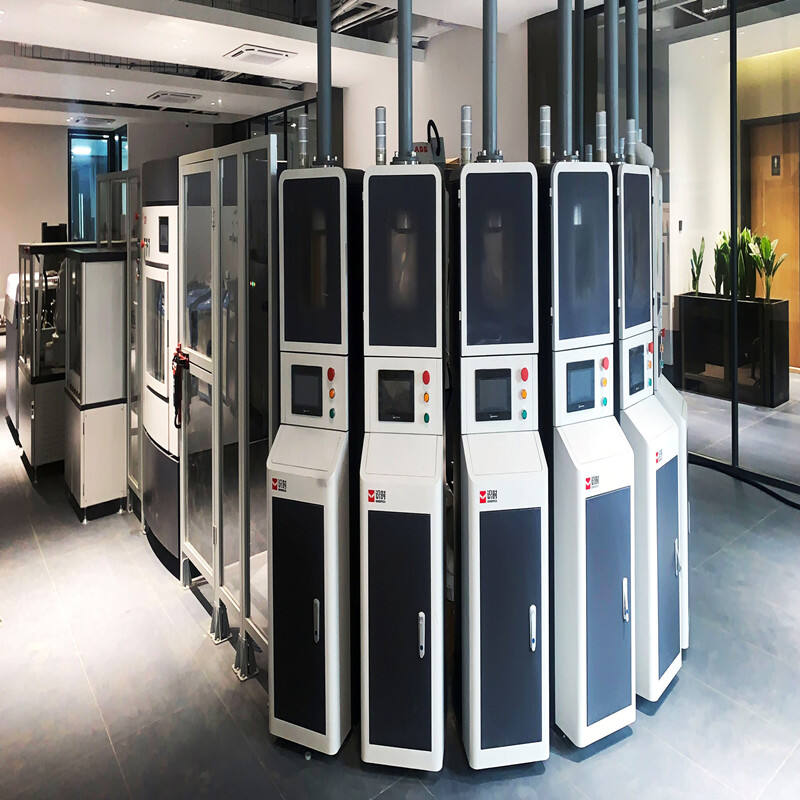
Enhanced Laboratory Efficiency Through Automated Transport
Rapid Specimen Delivery Systems
Laboratory operations represent one of the most time-sensitive aspects of hospital workflow, where every minute counts in delivering critical diagnostic results. A pneumatic tube system eliminates the traditional delays associated with manual specimen transport, reducing delivery times from 15-30 minutes to under two minutes for most hospital destinations. This dramatic improvement directly impacts patient outcomes by accelerating diagnostic processes and enabling faster treatment decisions.
The integration of pneumatic transport technology ensures that blood samples, tissue specimens, and other laboratory materials maintain their integrity during transit. Advanced carrier designs protect delicate samples from temperature fluctuations and physical stress, while automated routing prevents human handling errors that could compromise specimen quality. Healthcare facilities utilizing pneumatic tube system technology report up to 40% reduction in pre-analytical errors compared to traditional manual transport methods.
Laboratory Workflow Optimization
Beyond speed improvements, pneumatic transport systems enable laboratories to implement more sophisticated workflow management strategies. Automated sample tracking capabilities allow laboratory technicians to monitor specimen location and estimated arrival times, facilitating better resource allocation and staffing decisions. This enhanced visibility into the transport process helps laboratories maintain optimal throughput while meeting strict quality standards.
The consistent availability of pneumatic transport eliminates bottlenecks that traditionally occur during shift changes or peak demand periods. Laboratory staff can rely on predictable delivery schedules, enabling more efficient batch processing and reducing the need for emergency stat deliveries that disrupt normal workflow patterns.
Medication Safety and Pharmacy Operations
Secure Pharmaceutical Distribution
Pharmaceutical distribution represents another critical application where pneumatic tube system technology delivers substantial benefits. Hospital pharmacies can safely transport medications, including controlled substances, directly to nursing units without compromising security protocols. Specialized carriers equipped with locking mechanisms and tracking capabilities ensure that high-value medications reach their intended destinations while maintaining complete chain of custody documentation.
The automation inherent in pneumatic transport systems reduces medication errors by eliminating manual handoffs and providing digital confirmation of successful deliveries. Nursing units receive medications faster, enabling more timely patient dosing and reducing the risk of missed doses that can compromise therapeutic outcomes. This improved efficiency is particularly valuable in critical care environments where medication timing is essential.
Inventory Management Integration
Modern pneumatic tube system installations integrate seamlessly with hospital inventory management systems, enabling automated medication replenishment and real-time stock tracking. When nursing units request specific medications through the hospital information system, the pharmacy can prepare and dispatch orders immediately through pneumatic transport, ensuring consistent availability of essential drugs.
This integration reduces medication waste by enabling more precise inventory control and preventing overstock situations that lead to expired medications. The ability to quickly distribute medications also supports just-in-time inventory strategies that free up valuable storage space while maintaining appropriate safety stock levels.
Operational Cost Reduction and Resource Optimization
Labor Cost Savings
The implementation of a pneumatic tube system generates significant labor cost savings by eliminating the need for dedicated transport personnel or requiring clinical staff to leave their duties for delivery tasks. Healthcare facilities typically report 20-30% reduction in transport-related labor costs within the first year of pneumatic system implementation.
These savings extend beyond direct labor costs to include reduced overtime expenses and improved staff satisfaction. Nurses and other clinical personnel can remain focused on patient care activities rather than spending time on transportation duties, leading to better job satisfaction and reduced turnover rates. The improved efficiency also enables hospitals to optimize staffing levels without compromising service quality.
Infrastructure and Maintenance Benefits
While the initial investment in pneumatic tube system infrastructure requires significant capital expenditure, the long-term operational benefits justify this investment through reduced maintenance of traditional transport equipment and decreased wear on elevators and corridors. Pneumatic systems require minimal maintenance when properly installed and operated, with most components designed for decades of reliable service.
The reduced foot traffic in hospital corridors also contributes to improved infection control by minimizing the movement of personnel between different hospital zones. This benefit became particularly apparent during the COVID-19 pandemic when minimizing human contact and movement was essential for controlling disease transmission.
Patient Care Quality Improvements
Faster Response Times
The implementation of pneumatic tube system technology directly impacts patient care quality by enabling faster response times for critical situations. Emergency departments can receive laboratory results, blood products, and medications within minutes of ordering, supporting rapid treatment decisions that improve patient outcomes. This speed advantage is particularly crucial for time-sensitive conditions such as stroke, heart attack, and trauma cases.
Surgical departments benefit from rapid delivery of pathology results, blood products, and specialized instruments, enabling more efficient operating room utilization and reduced patient anesthesia time. The reliability of pneumatic transport ensures that surgical delays due to logistics issues become virtually eliminated, improving both patient safety and operational efficiency.
Enhanced Communication and Documentation
Modern pneumatic tube system installations include sophisticated tracking and documentation capabilities that support quality assurance initiatives and regulatory compliance requirements. Every transport transaction generates digital records that can be integrated with hospital information systems, providing complete audit trails for specimen handling and medication distribution.
This enhanced documentation supports accreditation processes and helps hospitals demonstrate compliance with safety and quality standards. The ability to track and verify every transport event also supports continuous improvement initiatives by providing data on system performance and identifying opportunities for further optimization.
Technology Integration and Future Capabilities
Smart System Features
Contemporary pneumatic tube system designs incorporate advanced technology features that enhance functionality and user experience. Touch-screen interfaces, barcode scanning capabilities, and integration with hospital information systems create seamless workflows that minimize training requirements and reduce operational complexity. These smart features enable hospitals to implement sophisticated routing algorithms that optimize delivery times and system capacity.
Artificial intelligence and machine learning capabilities are increasingly being integrated into pneumatic transport systems, enabling predictive maintenance, optimal routing decisions, and performance optimization. These advanced features help hospitals maximize their return on investment while ensuring reliable long-term operation.
Scalability and Expansion Options
Modern pneumatic tube system designs offer excellent scalability options that allow hospitals to expand their transport networks as needs evolve. Modular system architectures enable incremental expansion without disrupting existing operations, making it possible to add new zones, stations, or specialized carriers as hospital facilities grow or change.
The flexibility of contemporary pneumatic systems also supports specialized applications such as automated pharmacy dispensing, blood bank operations, and central sterile supply distribution. This versatility ensures that hospitals can adapt their transport systems to support changing operational requirements and new healthcare delivery models.
Environmental and Sustainability Benefits
Energy Efficiency Advantages
Pneumatic tube system technology offers significant environmental benefits compared to traditional transport methods. The energy required to operate pneumatic transport is substantially lower than the cumulative energy consumption of elevators, vehicles, and other transport alternatives used for internal hospital logistics. Modern pneumatic systems incorporate energy-efficient blowers and smart control systems that optimize power consumption while maintaining performance standards.
The reduced reliance on elevator systems for transport also contributes to overall building energy efficiency by allowing elevators to focus on passenger transport rather than freight duties. This optimization reduces peak power demands and extends elevator equipment life, contributing to the hospital's overall sustainability goals.
Waste Reduction and Resource Conservation
The implementation of pneumatic transport systems supports waste reduction initiatives by enabling more efficient inventory management and reducing the need for disposable transport containers. Reusable carriers designed for pneumatic tube system applications replace single-use transport bags and containers, reducing medical waste generation and associated disposal costs.
The improved efficiency of pneumatic transport also reduces the carbon footprint associated with hospital operations by minimizing the need for internal combustion vehicles and reducing overall energy consumption. These environmental benefits align with healthcare industry sustainability initiatives and support hospitals' efforts to reduce their environmental impact.
Implementation Considerations and Best Practices
Planning and Design Requirements
Successful pneumatic tube system implementation requires careful planning and consideration of hospital-specific requirements. Factors such as building layout, transport volume, and specialized needs must be evaluated during the design phase to ensure optimal system performance. Professional consultation with pneumatic transport specialists helps hospitals avoid common implementation pitfalls and maximize system effectiveness.
The integration of pneumatic systems with existing hospital infrastructure requires coordination with multiple departments and careful consideration of infection control requirements. Proper planning ensures that pneumatic installations comply with healthcare facility standards and support long-term operational goals.
Training and Change Management
The successful adoption of pneumatic tube system technology requires comprehensive training programs and effective change management strategies. Healthcare staff must understand proper carrier loading procedures, system operation protocols, and emergency procedures to ensure safe and efficient system utilization. Well-designed training programs minimize implementation disruption and accelerate the realization of system benefits.
Change management initiatives should address workflow modifications and help departments adapt their procedures to take full advantage of pneumatic transport capabilities. The involvement of key stakeholders throughout the implementation process ensures smooth transitions and helps identify opportunities for additional process improvements.
FAQ
How reliable are pneumatic tube systems in hospital environments
Modern pneumatic tube systems demonstrate exceptional reliability rates exceeding 99% uptime when properly maintained. These systems are designed specifically for continuous operation in demanding healthcare environments and include redundant components and backup systems to prevent service interruptions. Regular preventive maintenance and professional service support ensure consistent performance over decades of operation.
What types of materials can be safely transported through pneumatic systems
Pneumatic tube systems can safely transport a wide variety of materials including blood specimens, medications, documents, small medical devices, and tissue samples. Specialized carriers are available for different transport requirements, including temperature-controlled carriers for sensitive materials and secure carriers for controlled substances. Weight limits typically range from 5-10 pounds per carrier depending on system specifications.
How do pneumatic systems integrate with existing hospital information systems
Contemporary pneumatic tube systems offer comprehensive integration capabilities with hospital information systems through standard interfaces and protocols. This integration enables automated tracking, electronic confirmations, and seamless workflow integration with laboratory, pharmacy, and nursing information systems. Real-time status updates and delivery confirmations support efficient workflow management and quality assurance processes.
What maintenance requirements are associated with pneumatic transport systems
Pneumatic tube systems require minimal routine maintenance consisting primarily of regular cleaning, lubrication of moving components, and periodic inspection of carriers and stations. Most systems include diagnostic capabilities that monitor performance and alert maintenance staff to potential issues before they affect operations. Professional service contracts typically include preventive maintenance, emergency repairs, and system optimization services to ensure peak performance.
Table of Contents
- Enhanced Laboratory Efficiency Through Automated Transport
- Medication Safety and Pharmacy Operations
- Operational Cost Reduction and Resource Optimization
- Patient Care Quality Improvements
- Technology Integration and Future Capabilities
- Environmental and Sustainability Benefits
- Implementation Considerations and Best Practices
- FAQ