
 EN
EN




Integrating a pneumatic tube system with your laboratory spectrophotometer workflow represents a critical advancement in modern analytical laboratory efficiency. This integration transforms sample handling from a manual, time-consuming process into an automated, streamlined operation that significantly reduces human error while maximizing throughput. The seamless connection between pneumatic sample delivery and spectrophotometric analysis creates a closed-loop system that enhances both accuracy and productivity in high-volume laboratory environments.
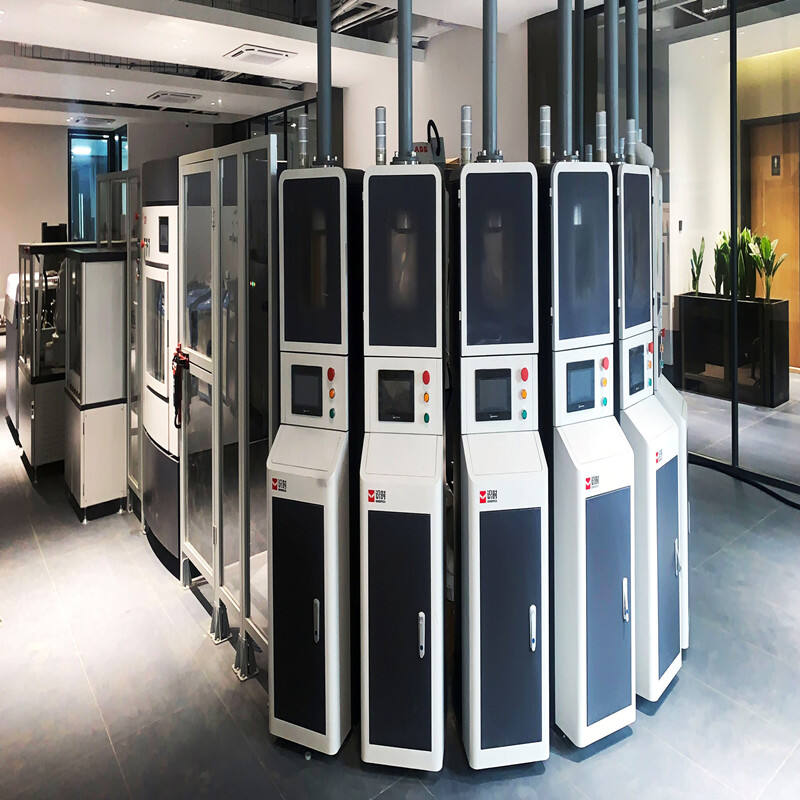
The integration process requires careful consideration of multiple technical and operational factors, from physical compatibility assessment to software synchronization protocols. Understanding the fundamental mechanics of how a pneumatic tube system interfaces with spectrophotometer instrumentation enables laboratory managers to optimize their analytical workflow while maintaining the highest standards of sample integrity and measurement precision.
Technical Requirements for Pneumatic Tube System Integration
Physical Infrastructure Assessment
The foundation of successful pneumatic tube system integration begins with a comprehensive evaluation of your laboratory's physical infrastructure. The pneumatic tube system requires dedicated pathway routing that connects sample collection points to the spectrophotometer station without compromising existing laboratory operations. This assessment must account for ceiling height restrictions, floor penetrations, and wall-mounted tube routing that maintains optimal sample transport velocity.
Laboratory architects and engineers must evaluate the structural capacity to support pneumatic tube system components, including blower units, switching stations, and terminal equipment. The integration design should minimize tube bending radius to prevent sample container damage while ensuring adequate access for maintenance personnel. Proper infrastructure planning prevents costly retrofitting and ensures long-term system reliability.
Environmental considerations play a crucial role in pneumatic tube system placement, particularly regarding temperature control and vibration isolation. The spectrophotometer requires stable environmental conditions, and the pneumatic system must not introduce temperature fluctuations or mechanical vibrations that could affect measurement accuracy. Strategic placement of system components maintains optimal analytical conditions throughout the integrated workflow.
Electrical and Control System Requirements
The electrical integration of a pneumatic tube system with spectrophotometer equipment demands careful coordination of power distribution, signal communication, and safety systems. The pneumatic system requires dedicated electrical circuits with appropriate voltage regulation to prevent power fluctuations that might affect spectrophotometer performance. Proper grounding and electrical isolation protect both systems from electromagnetic interference.
Communication protocols between the pneumatic tube system and spectrophotometer control software enable automated sample tracking and measurement scheduling. The integration typically utilizes industrial communication standards such as Ethernet, RS-485, or fieldbus protocols to exchange sample identification data, arrival notifications, and measurement parameters. This communication layer forms the foundation of the automated workflow.
Safety systems must integrate across both the pneumatic tube system and spectrophotometer operations, including emergency stop functions, sample containment protocols, and contamination prevention measures. The electrical design should incorporate redundant safety circuits that immediately halt pneumatic transport if spectrophotometer safety systems detect hazardous conditions or measurement anomalies.
Workflow Automation and Sample Handling Protocols
Sample Container Selection and Preparation
Successful integration requires careful selection of sample containers that meet both pneumatic transport requirements and spectrophotometer analytical specifications. The containers must withstand the acceleration forces and pressure changes inherent in pneumatic tube system transport while maintaining sample integrity and optical clarity for spectrophotometric measurements. Container materials should be chemically inert and dimensionally stable across expected temperature variations.
Sample preparation protocols must account for the automated nature of the integrated system, including proper container sealing, labeling with machine-readable identification codes, and volume standardization. The pneumatic tube system requires consistent container dimensions and weight distribution to ensure reliable transport without jamming or damage during high-velocity movement through the tube network.
Quality control measures for sample container preparation include verification of container cleanliness, proper sealing integrity, and compatibility with both pneumatic transport mechanisms and spectrophotometer sample handling equipment. Standardized preparation procedures reduce variability and ensure consistent analytical results throughout the integrated workflow.
Automated Sample Tracking and Chain of Custody
The integration enables sophisticated sample tracking capabilities that maintain complete chain of custody documentation from sample collection through analytical completion. Barcode or RFID identification systems embedded in the pneumatic tube system automatically log sample transport events, arrival times, and handling personnel, creating an auditable record for regulatory compliance and quality assurance purposes.
Software integration between the pneumatic tube system and laboratory information management systems (LIMS) facilitates real-time sample status updates, automatic measurement scheduling, and results correlation with sample identification data. This integration eliminates manual data entry errors and ensures complete traceability throughout the analytical process.
Chain of custody protocols must address potential sample handling exceptions, including pneumatic system malfunctions, spectrophotometer maintenance periods, and emergency procedures. The integrated system should maintain detailed logs of all sample movements and provide alternative handling procedures that preserve sample integrity when automated systems are unavailable.
Spectrophotometer Interface Configuration
Hardware Interface Development
The hardware interface between the pneumatic tube system and spectrophotometer requires custom mechanical components that safely transfer samples from pneumatic carriers to the analytical instrument. This interface typically includes automated sample extraction mechanisms, positioning systems, and cuvette handling equipment that maintains precise optical alignment for accurate measurements.
Mechanical design considerations include sample container orientation control, contamination prevention barriers, and gentle handling mechanisms that prevent sample agitation or temperature changes during transfer. The interface should accommodate various sample container sizes while maintaining consistent positioning accuracy for spectrophotometric analysis.
Safety interlocks within the hardware interface prevent operator exposure to samples during automated handling and ensure proper sample containment throughout the analytical process. The mechanical design should facilitate easy maintenance access while protecting critical spectrophotometer components from contamination or mechanical damage.
Software Integration and Control Logic
Software integration requires coordination between pneumatic tube system control software, spectrophotometer operating systems, and laboratory data management platforms. The control logic must sequence sample arrival, extraction, measurement, and disposal operations while maintaining optimal instrument utilization and throughput rates.
Programming the integrated system involves developing decision trees that handle various operational scenarios, including sample priority management, instrument calibration scheduling, and error recovery procedures. The software should optimize measurement sequences to minimize instrument idle time while ensuring proper sample handling protocols.
Real-time monitoring capabilities enable operators to track system performance, identify potential bottlenecks, and adjust operational parameters to maintain optimal workflow efficiency. The software integration should provide comprehensive diagnostic information for troubleshooting and preventive maintenance scheduling.
Quality Assurance and Validation Procedures
System Performance Validation
Validation of the integrated pneumatic tube system and spectrophotometer workflow requires comprehensive testing protocols that verify system accuracy, precision, and reliability under various operational conditions. Performance validation should include measurement repeatability studies, sample transport time consistency, and contamination prevention effectiveness.
Statistical analysis of validation data demonstrates system capability to meet analytical requirements and regulatory standards. Validation protocols should encompass normal operating conditions as well as stress testing that evaluates system performance under maximum throughput demands and potential failure scenarios.
Documentation of validation results provides the foundation for ongoing quality assurance programs and supports regulatory compliance requirements. The validation process should establish performance benchmarks for routine system monitoring and maintenance scheduling.
Ongoing Monitoring and Maintenance
Continuous monitoring of the integrated system performance ensures sustained analytical quality and identifies potential issues before they impact laboratory operations. Monitoring parameters should include pneumatic tube system transport times, spectrophotometer measurement precision, and overall workflow throughput rates.
Preventive maintenance schedules must coordinate between pneumatic tube system components and spectrophotometer service requirements to minimize operational disruptions. The maintenance program should address both mechanical components and software systems, including calibration verification, communication system checks, and safety system functionality testing.
Performance trending analysis helps optimize system parameters and predict maintenance requirements, enabling proactive management of the integrated workflow. Regular performance reviews ensure continued compliance with quality standards and identify opportunities for further workflow improvements.
Operational Optimization and Troubleshooting
Workflow Efficiency Maximization
Optimizing the integrated pneumatic tube system and spectrophotometer workflow requires careful analysis of sample flow patterns, measurement scheduling, and resource utilization. Efficiency improvements often focus on reducing sample queue times, minimizing instrument idle periods, and streamlining sample preparation procedures.
Load balancing techniques help distribute sample analysis workload across available spectrophotometer capacity while maintaining appropriate turnaround times for different sample priorities. The pneumatic tube system enables flexible sample routing that can adapt to varying laboratory demands and instrument availability.
Continuous improvement processes should monitor key performance indicators such as sample throughput rates, measurement accuracy statistics, and system uptime percentages. Regular optimization reviews identify bottlenecks and implement procedural improvements that enhance overall laboratory productivity.
Common Integration Challenges and Solutions
Integration challenges often involve synchronization issues between pneumatic tube system transport timing and spectrophotometer readiness to accept samples. Solutions typically include buffer storage capabilities, dynamic scheduling algorithms, and communication protocols that coordinate system operations in real-time.
Sample handling problems may arise from container compatibility issues, transport damage, or contamination concerns. Addressing these challenges requires careful container design, transport parameter optimization, and comprehensive cleaning protocols that maintain analytical integrity throughout the pneumatic tube system pathway.
System reliability improvements focus on redundancy planning, predictive maintenance programs, and rapid recovery procedures that minimize operational disruptions. Troubleshooting procedures should provide clear diagnostic steps and solution pathways for common integration issues.
FAQ
How long does it typically take to integrate a pneumatic tube system with an existing spectrophotometer workflow?
The integration timeline typically ranges from 3 to 6 months, depending on laboratory size, infrastructure complexity, and customization requirements. The process includes design phase (4-6 weeks), installation and hardware integration (6-8 weeks), software development and testing (4-6 weeks), and validation procedures (2-4 weeks). Complex laboratories with multiple spectrophotometers or extensive pneumatic tube system networks may require additional time for coordination and testing.
What are the main cost factors when integrating a pneumatic tube system with spectrophotometer equipment?
Primary cost factors include pneumatic tube system infrastructure installation, custom interface hardware development, software integration programming, and validation services. Additional costs may include laboratory infrastructure modifications, electrical system upgrades, and staff training programs. The total investment typically ranges from moderate to significant depending on laboratory size and integration complexity, but operational savings from increased efficiency often provide reasonable return on investment within 2-3 years.
Can the integrated system handle different types of sample containers and spectrophotometer models?
Yes, properly designed integration systems can accommodate multiple sample container types and various spectrophotometer models through configurable interface modules and adaptive software protocols. The system typically includes adjustable mechanical components, programmable handling sequences, and flexible communication interfaces that adapt to different equipment specifications. However, each container type and instrument model requires specific configuration and validation to ensure optimal performance and analytical accuracy.
What happens if the pneumatic tube system fails during sample transport to the spectrophotometer?
Integrated systems include comprehensive failure management protocols that protect samples and maintain analytical continuity. Backup procedures typically involve manual sample retrieval systems, alternative transport pathways, and emergency sample handling protocols. The system automatically notifies operators of transport failures, provides sample location information, and switches to manual workflow modes while maintaining complete chain of custody documentation. Most systems include redundant pathways and backup power systems to minimize operational disruptions.
Table of Contents
- Technical Requirements for Pneumatic Tube System Integration
- Workflow Automation and Sample Handling Protocols
- Spectrophotometer Interface Configuration
- Quality Assurance and Validation Procedures
- Operational Optimization and Troubleshooting
-
FAQ
- How long does it typically take to integrate a pneumatic tube system with an existing spectrophotometer workflow?
- What are the main cost factors when integrating a pneumatic tube system with spectrophotometer equipment?
- Can the integrated system handle different types of sample containers and spectrophotometer models?
- What happens if the pneumatic tube system fails during sample transport to the spectrophotometer?