
 EN
EN


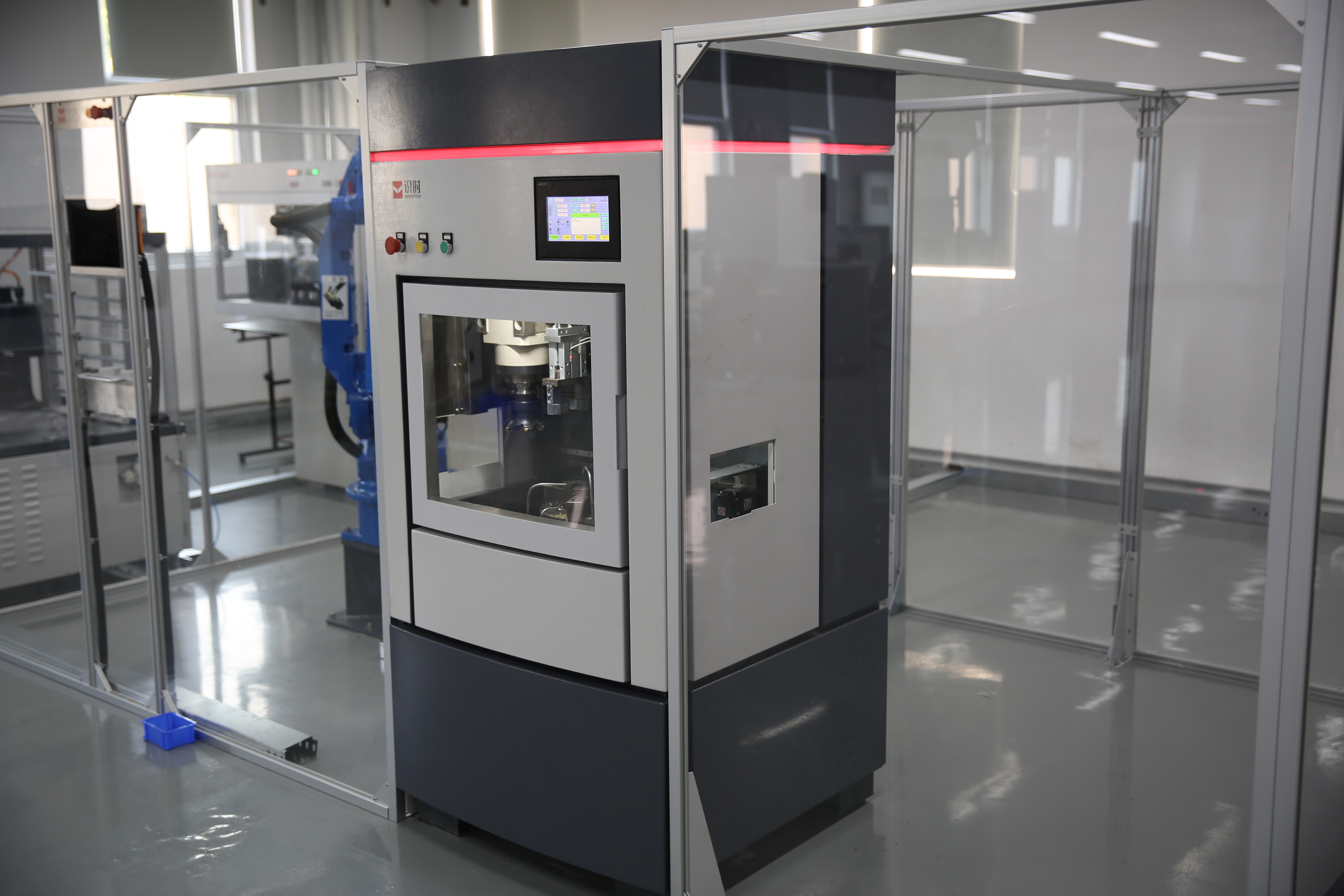
Selecting the right milling machine for your manufacturing needs is a critical decision that impacts productivity, precision, and operational costs. Modern manufacturers face an increasingly complex choice between traditional manual milling machines and advanced computer numerical control (CNC) systems. Each type of milling machine offers distinct advantages depending on production requirements, budget constraints, and operational complexity. Understanding the fundamental differences between these technologies enables businesses to make informed decisions that align with their manufacturing goals and long-term strategic objectives.
Understanding Manual Milling Machine Operations
Traditional Control Mechanisms
Manual milling machine systems rely on skilled operators to control cutting operations through physical adjustments and direct mechanical inputs. These machines feature handwheels, levers, and graduated dials that operators use to position workpieces and control cutting tool movements. The operator's expertise directly influences the quality and precision of machined components, making human skill a crucial factor in production outcomes. Manual milling machine operations require extensive training and experience to achieve consistent results across different projects and materials.
The learning curve for manual milling machine operation involves mastering feed rates, spindle speeds, and cutting depths through hands-on experience. Operators must develop an intuitive understanding of how different materials respond to various cutting conditions. This knowledge accumulation process typically spans several years, during which operators gradually improve their ability to produce complex geometries and maintain tight tolerances. Manual milling machine proficiency depends on the operator's ability to interpret technical drawings and translate design specifications into precise mechanical movements.
Flexibility in Custom Applications
Manual milling machine systems excel in prototype development and one-off custom projects where design modifications occur frequently during the manufacturing process. Skilled operators can quickly adapt cutting strategies and adjust machining parameters without extensive programming or setup procedures. This flexibility makes manual milling machine operations particularly valuable for research and development environments where iterative design changes are common. The ability to make real-time adjustments based on visual and tactile feedback provides advantages in experimental manufacturing scenarios.
Custom tooling and fixture modifications can be implemented rapidly on manual milling machine platforms, allowing operators to accommodate unique workpiece configurations and specialized cutting requirements. The direct mechanical interface between operator and machine enables immediate response to unexpected conditions or material variations encountered during machining operations. This adaptability proves especially beneficial when working with exotic materials or developing new manufacturing processes where standard procedures may not apply.
Computer Numerical Control Technology Advantages
Precision and Repeatability Benefits
CNC milling machine systems deliver exceptional precision through computer-controlled positioning and movement coordination that eliminates human error variables. These automated systems can maintain tolerances within micrometers across thousands of identical parts, ensuring consistent quality in high-volume production environments. The digital control interface allows for precise speed and feed rate adjustments that optimize cutting conditions for specific materials and geometries. CNC milling machine operations achieve repeatability levels impossible to maintain through manual control methods.
Advanced sensor feedback systems in modern CNC milling machine platforms continuously monitor cutting conditions and automatically adjust parameters to maintain optimal performance. Tool wear compensation algorithms extend cutting tool life while preserving dimensional accuracy throughout extended production runs. Temperature compensation features account for thermal expansion effects, ensuring that precision remains consistent across varying environmental conditions. These technological capabilities enable CNC milling machine systems to produce components with superior surface finishes and geometric accuracy.
Programming and Automation Capabilities
Contemporary CNC milling machine software platforms support complex programming languages that enable the creation of sophisticated machining strategies for intricate component geometries. Computer-aided manufacturing (CAM) software integration allows engineers to generate optimized tool paths directly from three-dimensional design models. This seamless workflow eliminates manual programming errors and reduces setup times for new projects. CNC milling machine programming capabilities include advanced features such as adaptive machining, high-speed cutting strategies, and multi-axis interpolation.
Automation features in modern CNC milling machine systems extend beyond basic cutting operations to include automatic tool changes, workpiece positioning, and quality inspection procedures. Integrated measurement probes enable in-process dimensional verification, reducing scrap rates and improving overall efficiency. Lights-out manufacturing capabilities allow CNC milling machine operations to continue unattended during off-hours, maximizing equipment utilization and production throughput. These automation advances significantly reduce labor costs while improving consistency and quality outcomes.
Cost Analysis and Economic Considerations
Initial Investment Requirements
The capital investment for CNC milling machine systems typically exceeds manual alternatives by a substantial margin, reflecting the sophisticated control systems, precision components, and advanced software required for automated operation. However, this initial cost differential must be evaluated against long-term productivity gains and labor cost reductions achievable through CNC automation. Manual milling machine purchases involve lower upfront costs but may require significant ongoing investments in operator training and skill development to maintain competitive capabilities.
Financing options and equipment leasing programs can help manufacturers manage the higher initial costs associated with CNC milling machine acquisitions while preserving working capital for other business needs. The depreciation benefits and potential tax advantages of CNC equipment investments may offset some of the initial cost burden. Additionally, the technological advancement rate in CNC milling machine systems often provides opportunities for equipment upgrades that maintain competitive advantages in evolving manufacturing markets.
Operating Cost Comparisons
Labor costs represent a significant ongoing expense for manual milling machine operations, as skilled machinists command premium wages and require continuous training to maintain proficiency with evolving technologies. CNC milling machine systems reduce labor requirements while enabling less experienced operators to produce high-quality components through automated programming and control systems. The productivity improvements achievable with CNC technology often justify higher equipment costs through reduced cycle times and increased throughput capacity.
Energy consumption patterns differ between manual and CNC milling machine systems, with automated equipment often incorporating energy-efficient motors and optimized cutting strategies that reduce overall power requirements. Maintenance costs for CNC systems may be higher due to complex electronic components, but preventive maintenance programs and condition monitoring systems help minimize unexpected downtime. The total cost of ownership analysis should consider factors such as scrap reduction, quality improvements, and capacity utilization when comparing milling machine alternatives.
Production Volume and Application Suitability
Low Volume and Prototype Manufacturing
Manual milling machine operations often prove more cost-effective for low-volume production runs where setup costs and programming time cannot be amortized across large quantities of parts. The flexibility to make immediate adjustments and modifications makes manual systems ideal for prototype development and iterative design processes. Skilled operators can efficiently produce small batches of custom components without the extensive programming and setup procedures required for CNC operations. This advantage becomes particularly significant when producing complex one-off parts or experimental components.
Research and development environments frequently benefit from manual milling machine capabilities due to the need for frequent design changes and experimental machining approaches. The direct operator control allows for real-time optimization of cutting parameters based on material response and surface finish requirements. Manual systems enable rapid transition between different projects without the programming overhead associated with CNC operations, making them valuable tools for innovation and product development activities.
High Volume Production Requirements
CNC milling machine systems excel in high-volume manufacturing environments where consistency, speed, and automation benefits justify the initial investment and setup costs. The ability to run unattended operations during extended periods maximizes equipment utilization and reduces labor costs per unit produced. Standardized programming and setup procedures enable rapid changeovers between similar products while maintaining quality standards. Milling machine automation capabilities become increasingly valuable as production volumes increase and quality requirements become more stringent.
Statistical process control integration in CNC milling machine systems enables real-time quality monitoring and automatic adjustments to maintain dimensional accuracy throughout extended production runs. The data collection capabilities provide valuable insights for continuous improvement initiatives and predictive maintenance programs. These features become essential for manufacturers pursuing lean manufacturing principles and just-in-time delivery requirements in competitive market environments.
Skill Requirements and Training Considerations
Operator Expertise Development
Manual milling machine proficiency requires extensive hands-on training and apprenticeship programs that can span several years before operators achieve full competency. The skill development process involves mastering multiple disciplines including metallurgy, cutting tool selection, measurement techniques, and troubleshooting procedures. Experienced manual milling machine operators command premium wages due to their specialized knowledge and ability to solve complex manufacturing challenges through practical experience and intuitive understanding of machining principles.
The aging workforce in traditional manufacturing trades creates challenges for companies relying on manual milling machine operations, as experienced operators approach retirement and fewer young workers pursue careers in manual machining. Knowledge transfer programs and mentorship initiatives become crucial for preserving institutional knowledge and maintaining operational capabilities. The time investment required to develop skilled manual operators must be considered when evaluating long-term operational strategies and workforce planning initiatives.
CNC Programming and Technical Skills
CNC milling machine operations require different skill sets focused on programming languages, computer-aided manufacturing software, and digital control systems rather than traditional manual machining techniques. Training programs for CNC operators typically involve formal education in computer programming, mathematics, and engineering principles. The standardized nature of CNC programming enables more predictable training outcomes and faster skill development compared to manual machining apprenticeships.
The availability of CNC-trained personnel has improved significantly as technical schools and community colleges have developed comprehensive programs addressing industry workforce needs. Online training resources and simulation software enable cost-effective skill development without requiring expensive equipment for initial training phases. The transferable nature of CNC programming skills across different machine platforms provides workforce flexibility and reduces training costs for companies operating multiple milling machine types.
Quality Control and Precision Capabilities
Dimensional Accuracy Standards
Modern manufacturing requirements increasingly demand tight tolerances and superior surface finishes that challenge the capabilities of manual milling machine operations. While skilled operators can achieve impressive precision through experience and careful technique, maintaining consistent accuracy across multiple parts becomes difficult without automated control systems. CNC milling machine platforms deliver repeatable precision that meets contemporary quality standards for aerospace, medical device, and precision instrument applications.
Quality certification programs such as ISO 9001 and AS9100 often require documented processes and statistical process control that favor CNC milling machine systems over manual alternatives. The traceability and documentation capabilities of computerized systems support quality management initiatives and regulatory compliance requirements. Automated measurement and inspection features reduce human error in quality control procedures while providing comprehensive data for continuous improvement programs.
Surface Finish and Material Properties
Surface finish quality depends on multiple factors including cutting tool condition, feed rates, spindle speeds, and coolant application, all of which can be precisely controlled through CNC milling machine programming. Automated systems maintain consistent cutting parameters that produce uniform surface characteristics across entire production runs. Manual operations rely on operator skill and experience to optimize surface finish, which can result in greater variation between parts and operators.
Advanced CNC milling machine systems incorporate adaptive control features that monitor cutting forces and automatically adjust parameters to maintain optimal surface finish and tool life. These capabilities become particularly important when machining difficult materials or achieving specialized surface treatments required for specific applications. The consistent cutting conditions achievable through CNC control help preserve material properties and reduce the risk of thermal damage during machining operations.
Future Technology Integration and Industry Trends
Industry 4.0 and Smart Manufacturing
The integration of Internet of Things (IoT) sensors and cloud-based analytics transforms modern CNC milling machine systems into intelligent manufacturing platforms capable of predictive maintenance and real-time performance optimization. These technologies enable remote monitoring and diagnostics that reduce downtime while improving overall equipment effectiveness. Manual milling machine operations cannot easily integrate with smart manufacturing initiatives due to their analog control mechanisms and limited data generation capabilities.
Artificial intelligence and machine learning algorithms increasingly enhance CNC milling machine performance through automated optimization of cutting parameters and tool path strategies. These advances enable continuous improvement of manufacturing processes without requiring extensive operator intervention or programming modifications. The data-driven approach to process optimization represents a significant competitive advantage for manufacturers adopting advanced CNC technologies in their production operations.
Sustainability and Environmental Considerations
Environmental regulations and sustainability initiatives drive demand for more efficient manufacturing processes that minimize waste generation and energy consumption. CNC milling machine systems often incorporate features such as optimized tool paths, reduced air cutting time, and efficient coolant management that support environmental objectives. The precision capabilities of automated systems also reduce material waste through improved first-pass yields and reduced scrap generation.
Energy monitoring and optimization features in modern CNC milling machine platforms enable manufacturers to track and reduce power consumption while maintaining production targets. These capabilities support corporate sustainability goals and help reduce operating costs through improved efficiency. The ability to document and report environmental performance becomes increasingly important for companies pursuing green manufacturing certifications and meeting customer sustainability requirements.
FAQ
What factors should determine whether to choose a CNC or manual milling machine?
The decision between CNC and manual milling machine systems should consider production volume, precision requirements, available operator skills, budget constraints, and long-term business objectives. High-volume production with tight tolerances typically favors CNC systems, while low-volume custom work may be more cost-effective with manual machines. Evaluate the total cost of ownership including equipment, training, labor, and maintenance costs over the expected equipment lifetime.
How long does it take to train operators for each type of milling machine?
Manual milling machine proficiency typically requires 2-4 years of apprenticeship and hands-on experience to achieve full competency. CNC operator training can be accomplished in 6-18 months through formal education programs and structured training curricula. However, advanced CNC programming skills may require additional specialized training depending on the complexity of parts and manufacturing requirements.
Can manual milling machines be converted to CNC systems?
Many manual milling machines can be retrofitted with CNC control systems through aftermarket conversion kits that replace manual controls with computerized positioning systems. These conversions typically cost less than purchasing new CNC equipment while preserving the mechanical capabilities of existing machines. However, retrofit projects require careful evaluation of machine condition, accuracy requirements, and cost-benefit analysis compared to new equipment purchases.
What maintenance requirements differ between manual and CNC milling machines?
Manual milling machines require routine mechanical maintenance including lubrication, belt adjustments, and wear component replacement, but have fewer complex systems that can fail. CNC systems need additional maintenance for electronic components, servo motors, encoders, and control systems, often requiring specialized technical support. However, CNC machines typically include diagnostic capabilities and condition monitoring features that help predict maintenance needs and reduce unexpected downtime.
Table of Contents
- Understanding Manual Milling Machine Operations
- Computer Numerical Control Technology Advantages
- Cost Analysis and Economic Considerations
- Production Volume and Application Suitability
- Skill Requirements and Training Considerations
- Quality Control and Precision Capabilities
- Future Technology Integration and Industry Trends
- FAQ