
 EN
EN



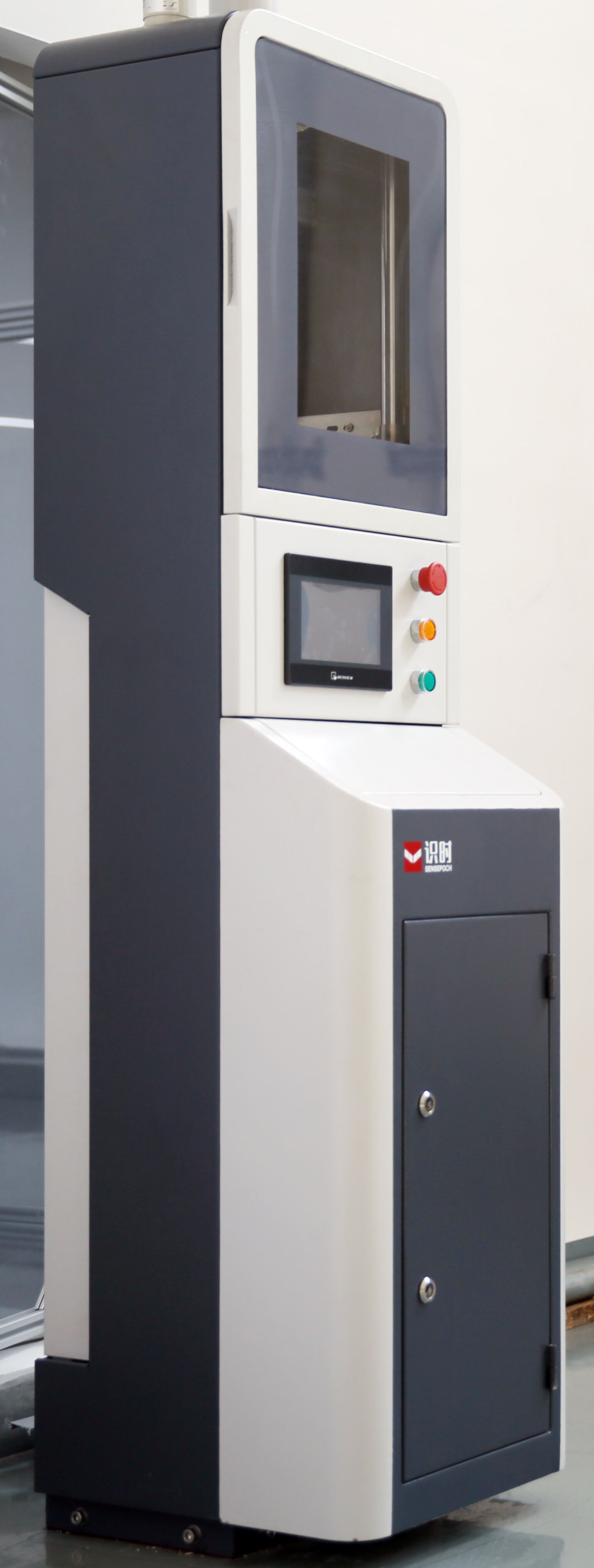
Modern healthcare facilities face increasing pressure to deliver rapid diagnostic results while maintaining accuracy and efficiency. Hospital administrators and laboratory managers constantly seek innovative solutions to reduce sample transportation delays and optimize workflow processes. A pneumatic tube system represents a transformative technology that addresses these critical operational challenges by providing instantaneous sample delivery throughout medical facilities.
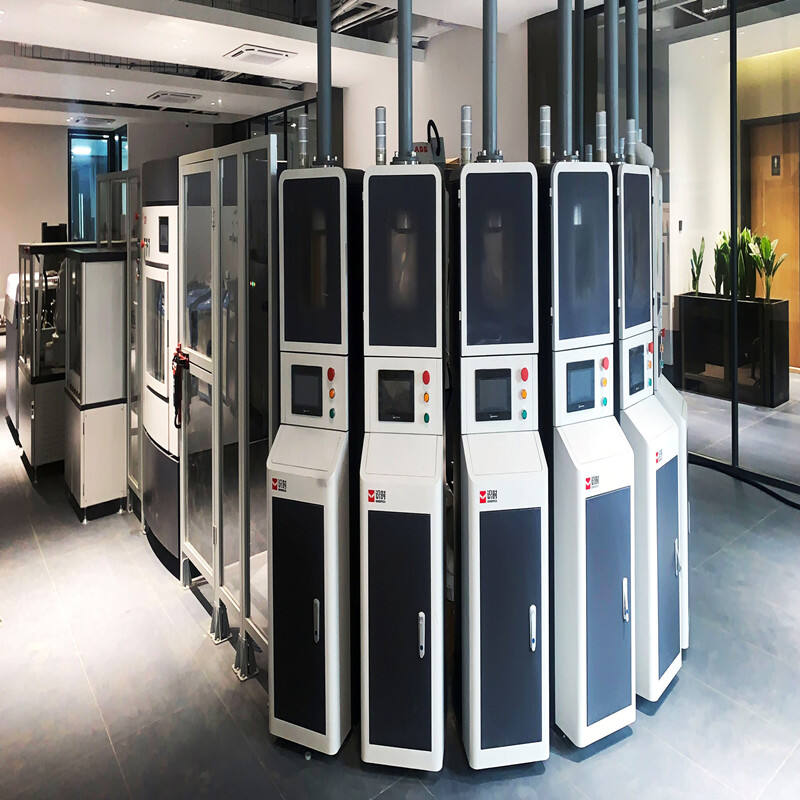
The implementation of pneumatic transportation networks in healthcare environments has revolutionized how medical samples, medications, and documents move between departments. Traditional manual delivery methods often create bottlenecks that delay patient care and increase operational costs. Healthcare professionals now recognize that advanced pneumatic tube system technology can dramatically improve turnaround times while reducing human error and contamination risks associated with conventional transport methods.
Understanding Pneumatic Tube System Technology in Healthcare
Core Components and Operating Principles
A comprehensive pneumatic tube system consists of specialized tubes, carrier capsules, central control stations, and strategically positioned terminals throughout the hospital network. These systems utilize controlled air pressure differentials to propel carriers containing medical samples, blood specimens, pharmaceuticals, and critical documents between departments at speeds exceeding traditional manual delivery methods. The pneumatic tube system infrastructure integrates seamlessly with existing hospital layouts without requiring extensive structural modifications.
Modern pneumatic transportation networks feature sophisticated routing algorithms that automatically direct carriers to their designated destinations while tracking each transaction in real-time. Advanced pneumatic tube system designs incorporate multiple parallel pathways to prevent congestion and ensure continuous operation even during peak usage periods. These systems maintain consistent air pressure levels and temperature controls to preserve sample integrity during transportation processes.
Integration with Hospital Information Systems
Contemporary pneumatic tube system installations connect directly with hospital information management platforms, enabling automatic sample tracking and chain-of-custody documentation. Healthcare staff can monitor delivery status, estimated arrival times, and potential delays through integrated dashboard interfaces. This digital integration allows the pneumatic tube system to communicate with laboratory information systems, pharmacy databases, and electronic health records for comprehensive workflow coordination.
The sophisticated software components of modern pneumatic tube system networks provide detailed analytics regarding delivery patterns, system utilization rates, and performance optimization opportunities. Hospital administrators can access comprehensive reports showing how the pneumatic tube system impacts overall operational efficiency and identifies areas for further improvement.
Accelerating Laboratory Sample Processing
Reducing Transportation Delays
Traditional sample delivery methods involving human couriers typically require 15-30 minutes for inter-departmental transportation, depending on hospital size and layout complexity. A properly configured pneumatic tube system reduces this timeframe to approximately 2-5 minutes, representing a significant improvement in overall turnaround efficiency. This dramatic time reduction allows laboratory personnel to begin processing samples much sooner after collection, accelerating the entire diagnostic workflow.
Emergency department scenarios particularly benefit from pneumatic tube system implementation, where critical blood samples and specimens require immediate laboratory analysis. The rapid transportation capabilities of a pneumatic tube system enable faster diagnosis and treatment decisions, potentially improving patient outcomes in time-sensitive medical situations. Healthcare facilities report substantial improvements in stat laboratory turnaround times following pneumatic tube system installation.
Maintaining Sample Integrity
Advanced pneumatic tube system designs incorporate specialized carriers with cushioning mechanisms and temperature control features to protect delicate biological samples during transportation. These protective measures ensure that specimen quality remains uncompromised throughout the delivery process, maintaining the accuracy of subsequent laboratory analyses. The controlled environment within pneumatic tube system carriers prevents contamination and preserves sample viability better than traditional transport methods.
Quality assurance protocols integrated into pneumatic tube system operations include automatic documentation of transportation conditions, delivery times, and handling procedures. This comprehensive tracking capability supports regulatory compliance requirements and provides detailed audit trails for sample chain-of-custody verification. Laboratory managers can confidently rely on pneumatic tube system delivery knowing that sample integrity is maintained throughout the transportation process.
Enhancing Workflow Efficiency Across Departments
Streamlining Pharmacy Operations
Hospital pharmacy departments utilize pneumatic tube system networks to distribute medications, controlled substances, and pharmaceutical supplies throughout medical facilities with unprecedented speed and security. The automated delivery capabilities reduce manual handling requirements and minimize opportunities for medication errors or theft during transportation. Pharmacy staff can focus on clinical activities rather than spending time on manual delivery tasks, improving overall departmental productivity.
The secure nature of pneumatic tube system carriers ensures that controlled medications and narcotics reach their intended destinations without unauthorized access or tampering. Advanced tracking capabilities within the pneumatic tube system provide complete documentation of pharmaceutical deliveries, supporting regulatory compliance and inventory management requirements. This enhanced security and accountability makes the pneumatic tube system an ideal solution for pharmaceutical distribution in healthcare environments.
Supporting Emergency Department Operations
Emergency departments rely heavily on rapid communication and sample processing to provide timely patient care, making pneumatic tube system technology particularly valuable in these high-pressure environments. Critical laboratory results, blood bank products, and emergency medications can be delivered instantly through the pneumatic tube system network, reducing delays that could impact patient outcomes. The reliability and speed of pneumatic tube system operations support the fast-paced nature of emergency medical care.
Emergency department staff appreciate the immediate availability of laboratory results and blood products delivered through the pneumatic tube system, enabling faster clinical decision-making and treatment initiation. The consistent performance of a well-maintained pneumatic tube system ensures that emergency departments can rely on timely delivery of critical materials regardless of hospital activity levels or staffing constraints.
Cost-Effectiveness and Return on Investment
Labor Cost Reduction
Healthcare facilities typically achieve significant labor cost savings following pneumatic tube system implementation by reducing the need for dedicated courier staff and allowing existing personnel to focus on patient care activities. The automated nature of pneumatic tube system operations eliminates manual delivery routes and reduces staffing requirements for inter-departmental transportation tasks. These labor savings often contribute substantially to the overall return on investment for pneumatic tube system installations.
Nursing staff and laboratory technicians can dedicate more time to patient care and technical responsibilities when relieved of manual sample transportation duties through pneumatic tube system automation. This improved resource allocation enhances job satisfaction and allows healthcare professionals to utilize their specialized skills more effectively, contributing to better patient outcomes and operational efficiency.
Operational Efficiency Gains
The implementation of a comprehensive pneumatic tube system typically results in measurable improvements in laboratory turnaround times, medication delivery speeds, and overall hospital workflow efficiency. These operational enhancements translate into tangible financial benefits through improved patient satisfaction, reduced length of stay, and enhanced department productivity. Hospital administrators often observe positive return on investment within 2-3 years of pneumatic tube system deployment.
Long-term operational benefits of pneumatic tube system technology include reduced equipment maintenance costs compared to alternative transportation methods and improved reliability in critical delivery scenarios. The durability and consistent performance of modern pneumatic tube system installations provide ongoing value through reduced downtime and maintenance requirements over extended operational periods.
Implementation Considerations and Best Practices
System Design and Planning
Successful pneumatic tube system implementation requires comprehensive facility assessment and strategic planning to optimize network layout and terminal placement. Healthcare facilities must consider current and future departmental needs, traffic patterns, and expansion possibilities when designing pneumatic tube system infrastructure. Professional consultation during the planning phase ensures that the pneumatic tube system design maximizes operational benefits and accommodates specific hospital requirements.
The routing design of a pneumatic tube system should prioritize high-traffic delivery routes while maintaining redundancy for critical pathways between laboratories, emergency departments, and pharmacies. Proper system sizing and capacity planning prevent bottlenecks during peak usage periods and ensure reliable performance throughout daily operations. These design considerations are essential for achieving optimal pneumatic tube system performance and user satisfaction.
Staff Training and Adoption
Comprehensive staff training programs are essential for successful pneumatic tube system adoption and optimal utilization across all hospital departments. Healthcare personnel must understand proper carrier loading procedures, system operation protocols, and troubleshooting techniques to maximize the benefits of pneumatic tube system technology. Ongoing education and support help ensure consistent compliance with established procedures and maintain system efficiency.
Change management strategies should address potential resistance to pneumatic tube system implementation and highlight the operational advantages for individual departments and staff members. Regular performance monitoring and feedback collection help identify optimization opportunities and ensure that the pneumatic tube system continues to meet evolving hospital needs effectively.
FAQ
How fast can a pneumatic tube system deliver samples between hospital departments
A modern pneumatic tube system typically delivers samples between hospital departments in 2-5 minutes, compared to 15-30 minutes required for manual courier delivery. The exact delivery time depends on distance, system design, and current traffic levels within the network. This dramatic speed improvement enables laboratories to begin processing samples much sooner, significantly reducing overall turnaround times for diagnostic results.
What types of medical samples can be safely transported through a pneumatic tube system
Most medical samples including blood specimens, urine samples, tissue biopsies, and other laboratory materials can be safely transported through a properly designed pneumatic tube system. Specialized carriers with cushioning and temperature control features protect delicate samples during transportation while maintaining specimen integrity. However, certain fragile specimens or those requiring specific handling conditions may still require manual delivery methods.
How does a pneumatic tube system integrate with existing hospital information systems
Modern pneumatic tube system installations connect directly with hospital information management platforms through standard network interfaces and communication protocols. This integration enables automatic sample tracking, delivery confirmation, and chain-of-custody documentation within existing laboratory and pharmacy information systems. The seamless connectivity allows healthcare staff to monitor delivery status and access comprehensive delivery analytics through familiar system interfaces.
What maintenance requirements are associated with pneumatic tube system operations
Pneumatic tube system maintenance typically involves regular cleaning of tubes and carriers, periodic inspection of mechanical components, and software updates to maintain optimal performance. Most systems require scheduled preventive maintenance every 6-12 months, with routine cleaning and minor adjustments performed by trained hospital staff. Professional service technicians handle more complex maintenance tasks and system upgrades to ensure continued reliability and compliance with healthcare regulations.
Table of Contents
- Understanding Pneumatic Tube System Technology in Healthcare
- Accelerating Laboratory Sample Processing
- Enhancing Workflow Efficiency Across Departments
- Cost-Effectiveness and Return on Investment
- Implementation Considerations and Best Practices
-
FAQ
- How fast can a pneumatic tube system deliver samples between hospital departments
- What types of medical samples can be safely transported through a pneumatic tube system
- How does a pneumatic tube system integrate with existing hospital information systems
- What maintenance requirements are associated with pneumatic tube system operations