
 EN
EN



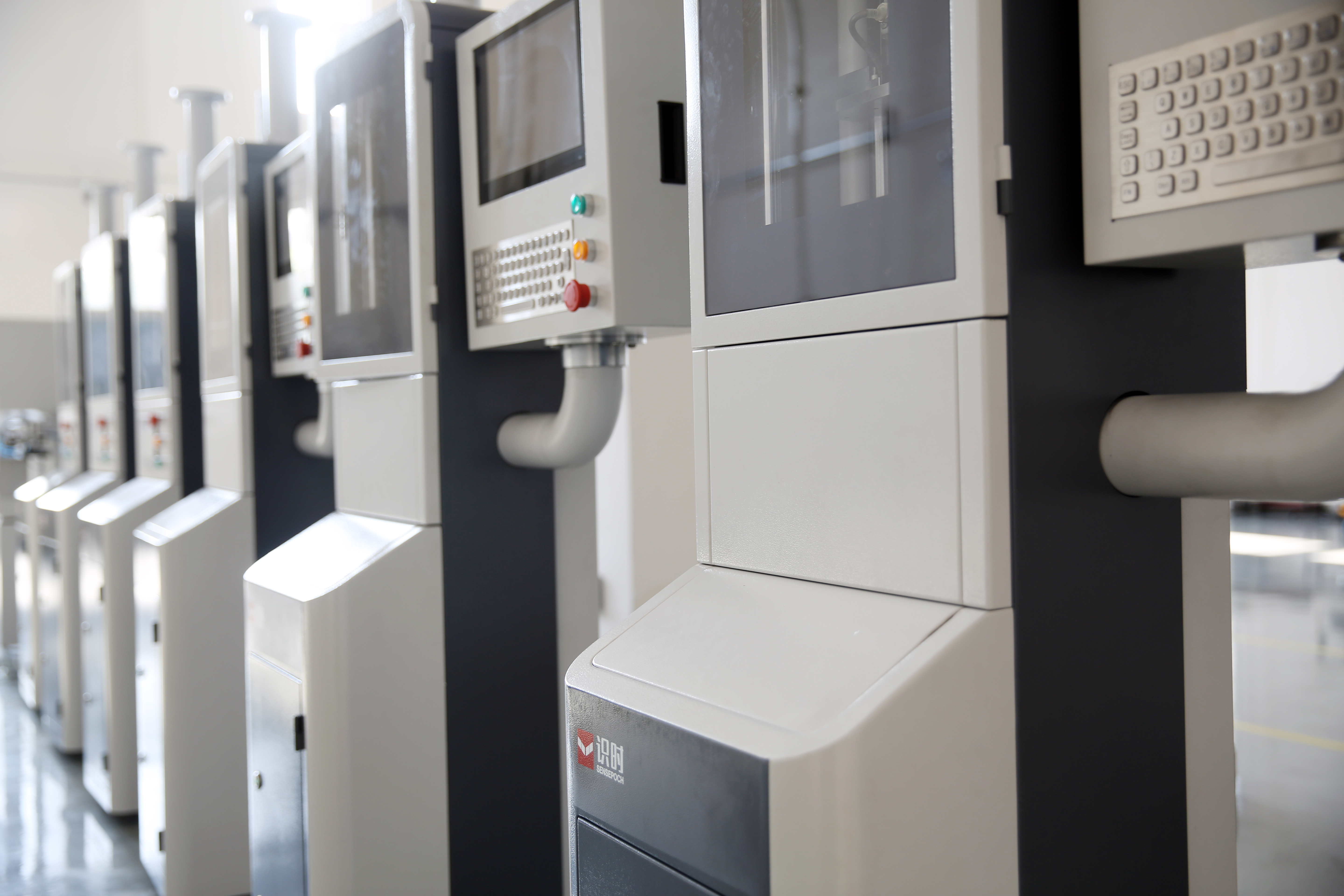
The integration of pneumatic tube systems with spectrophotometers represents a transformative approach to laboratory automation that addresses two critical challenges in modern analytical environments: maintaining sample integrity while maximizing throughput. This synergistic combination eliminates manual sample handling between collection and analysis, creating a seamless workflow that significantly reduces both human error and processing time. When a pneumatic tube system is properly configured with spectrophotometric analysis equipment, laboratories can achieve unprecedented levels of accuracy and speed in their testing protocols.
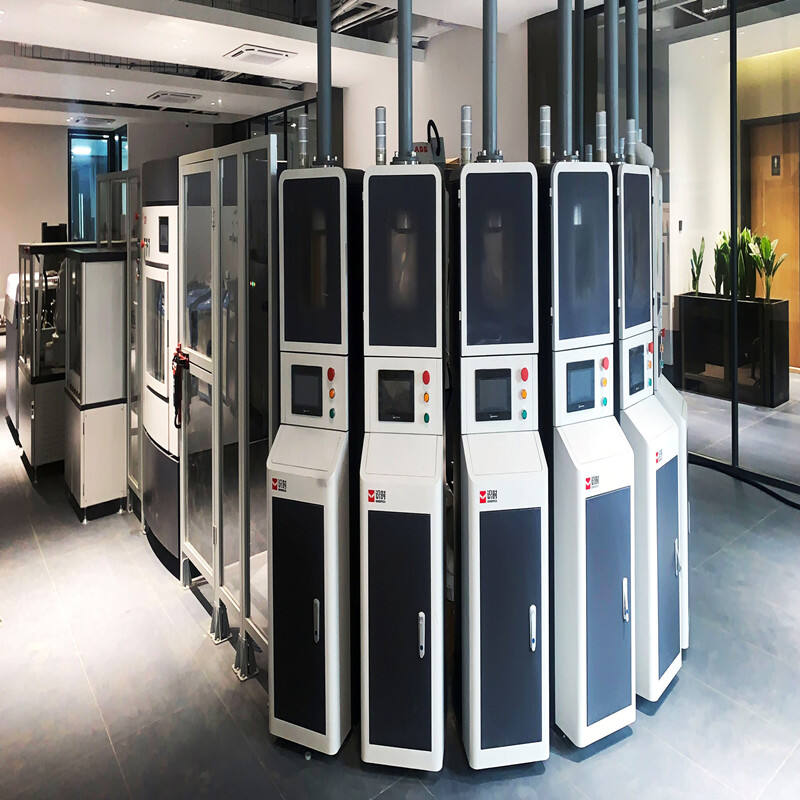
The fundamental principle behind this synergy lies in the complementary nature of these technologies: pneumatic tube systems excel at rapid, secure sample transport, while spectrophotometers provide precise analytical measurements. By connecting these systems through automated sample handling mechanisms, laboratories can eliminate the traditional bottlenecks associated with manual sample transfer, storage delays, and transcription errors. This integration is particularly valuable in high-volume testing environments where sample degradation during transport can compromise analytical accuracy and where processing speed directly impacts operational efficiency and patient care outcomes.
Mechanical Integration Principles for Enhanced Performance
Direct Interface Design and Sample Carrier Compatibility
The mechanical integration between a pneumatic tube system and spectrophotometers requires precise engineering to ensure seamless sample transfer without compromising measurement accuracy. Modern pneumatic tube systems utilize specialized sample carriers designed to maintain consistent sample positioning and prevent agitation during transport. These carriers must interface directly with the spectrophotometer's sample handling mechanism, typically through automated loading systems that eliminate manual intervention. The carrier design ensures that samples arrive at the spectrophotometer in the exact orientation and condition required for optimal measurement performance.
The interface mechanism typically includes pneumatic actuators and precision positioning systems that guide sample carriers from the tube terminus directly into the spectrophotometer's sample compartment. This direct transfer eliminates the need for intermediate handling steps that could introduce contamination or measurement variability. Advanced systems incorporate feedback sensors that confirm proper sample positioning before initiating spectrophotometric analysis, ensuring consistent measurement conditions across all samples.
Sample carrier compatibility extends beyond physical dimensions to include material considerations that prevent interference with spectrophotometric measurements. The carriers are constructed from materials that do not absorb or reflect light wavelengths used in spectrophotometric analysis, ensuring that the transport mechanism does not introduce measurement artifacts. Additionally, the carrier design includes features for secure sample tube retention during high-speed pneumatic transport while allowing easy automated release at the destination.
Automated Sample Positioning and Measurement Workflow
The automated positioning system represents the critical link between pneumatic transport and spectrophotometric analysis, ensuring that samples are consistently placed in the optimal measurement position. This system typically employs servo-controlled mechanisms that retrieve samples from pneumatic carriers and position them precisely within the spectrophotometer's optical path. The positioning accuracy directly impacts measurement reproducibility, as even small variations in sample placement can affect light transmission and analytical results.
Modern integrated systems include multi-axis positioning capabilities that accommodate different sample tube sizes and types without manual adjustment. The positioning system communicates with both the pneumatic tube system control unit and the spectrophotometer software to coordinate sample arrival, positioning, measurement, and return transport. This coordination ensures optimal throughput while maintaining measurement quality standards.
The workflow automation extends to sample identification and tracking, with integrated barcode or RFID reading capabilities that link each sample to its analytical protocol. This integration ensures that the correct measurement parameters are applied automatically and that results are properly associated with sample identification data. The system maintains a continuous audit trail of sample movement and measurement conditions, supporting quality assurance requirements and enabling rapid troubleshooting when issues arise.
Accuracy Enhancement Through Integrated Sample Management
Minimizing Sample Degradation and Contamination Risks
The integration of pneumatic tube systems with spectrophotometers significantly reduces sample degradation risks by minimizing exposure time and eliminating multiple handling steps. Traditional laboratory workflows often involve extended sample storage periods and multiple transfer steps that can lead to temperature fluctuations, light exposure, and contamination. A pneumatic tube system creates a controlled environment for sample transport, maintaining consistent temperature and protecting samples from environmental factors that could affect analytical accuracy.
The sealed transport environment of pneumatic systems prevents cross-contamination between samples while protecting them from airborne contaminants that could interfere with spectrophotometric measurements. This is particularly important for sensitive analyses where trace contaminants can significantly impact results. The rapid transport capability of pneumatic systems also reduces the time between sample collection and analysis, minimizing the potential for biochemical changes that could affect measurement accuracy.
Temperature stability during transport is maintained through insulated carriers and controlled air temperature in the pneumatic tube system. This temperature control is critical for samples that are sensitive to thermal changes, ensuring that spectrophotometric measurements reflect the true sample composition rather than artifacts from temperature-induced changes. The consistent sample condition upon arrival at the spectrophotometer eliminates a major source of measurement variability.
Standardized Sample Presentation and Measurement Conditions
The automated integration ensures that every sample is presented to the spectrophotometer under identical conditions, eliminating operator-dependent variables that can affect measurement accuracy. Manual sample handling often introduces variations in sample positioning, timing, and preparation that can impact analytical precision. The pneumatic tube system integration standardizes these factors by maintaining consistent sample orientation, arrival timing, and presentation conditions for every measurement.
Sample mixing, when required, is performed consistently through controlled agitation mechanisms integrated into the pneumatic carriers or the receiving system. This ensures homogeneous sample composition before spectrophotometric analysis without introducing air bubbles or other mixing artifacts that could affect light transmission measurements. The standardized mixing protocol eliminates operator-to-operator variation in sample preparation techniques.
The integration also enables precise timing control between sample arrival and measurement initiation, which is critical for time-sensitive analyses or when samples require specific equilibration periods. Automated timing protocols ensure that measurements are performed at optimal time points, enhancing both accuracy and reproducibility of analytical results. This timing precision is particularly valuable for kinetic measurements or assays with narrow measurement windows.
Speed Optimization Through Workflow Automation
Continuous Sample Flow and Processing Capabilities
The integration of pneumatic tube systems with spectrophotometers enables continuous sample processing that dramatically increases laboratory throughput compared to manual workflows. Traditional batch processing approaches create bottlenecks during sample transport and require dedicated staff time for manual handling. A pneumatic tube system allows for continuous sample arrival at the spectrophotometer, enabling uninterrupted analytical processing throughout operating hours.
The continuous flow capability is enhanced by automated sample queuing systems that manage multiple simultaneous sample arrivals. These systems prioritize samples based on analytical urgency, test type, or other predetermined criteria while maintaining optimal spectrophotometer utilization. The automated queuing eliminates delays associated with manual sample sorting and scheduling, ensuring that high-priority samples receive immediate attention without disrupting overall workflow efficiency.
Advanced systems incorporate predictive scheduling algorithms that optimize sample processing order based on measurement time requirements and spectrophotometer capabilities. This optimization reduces idle time between measurements and maximizes the number of samples processed per hour. The system can also coordinate with multiple pneumatic tube system terminals to balance sample loads and prevent processing bottlenecks during peak demand periods.
Parallel Processing and Multi-Sample Handling
Modern integrated systems support parallel processing capabilities that allow multiple samples to be transported simultaneously through different pneumatic tube system routes while coordinating their arrival at spectrophotometer stations. This parallel approach multiplies throughput potential by enabling simultaneous sample transport from multiple collection points while maintaining organized sample flow at the analytical destination.
Multi-sample handling capabilities extend to the spectrophotometer interface, where automated systems can manage multiple sample carriers and coordinate their sequential or simultaneous processing. Some advanced configurations include multiple spectrophotometer stations served by a single pneumatic tube system network, distributing samples based on analytical requirements and instrument availability. This distributed approach further enhances speed by eliminating single-point bottlenecks.
The parallel processing coordination includes intelligent sample routing that directs samples to the most appropriate spectrophotometer based on test requirements, instrument capabilities, and current workload. This routing optimization ensures that each sample is processed by the most suitable instrument with minimal delay, maximizing both speed and analytical appropriateness. The system maintains real-time status monitoring of all spectrophotometers in the network to support optimal routing decisions.
System Integration Technologies and Control Mechanisms
Software Integration and Data Management Protocols
The software integration between pneumatic tube systems and spectrophotometers requires sophisticated control algorithms that coordinate sample transport, analytical protocols, and data management in real-time. Modern integration platforms utilize standardized communication protocols that enable seamless data exchange between pneumatic transport controls, spectrophotometer software, and laboratory information management systems. This integration ensures that sample tracking, analytical parameters, and results are automatically coordinated without manual intervention.
The integrated software platform manages complex workflows that include sample identification verification, analytical protocol selection, quality control checks, and result validation. Each sample carrier includes identification tags that communicate analytical requirements to the spectrophotometer system, automatically configuring measurement parameters and quality control procedures. This automated configuration eliminates manual setup errors and ensures that appropriate analytical methods are consistently applied.
Data management protocols ensure that measurement results are immediately linked to sample identification data and automatically transmitted to appropriate destinations, including laboratory information systems, electronic health records, or quality control databases. The integration maintains complete audit trails of sample movement, measurement conditions, and result transmission, supporting regulatory compliance and quality assurance requirements. Real-time data validation checks identify potential issues immediately, enabling rapid corrective action when necessary.
Quality Control Integration and Monitoring Systems
Integrated quality control systems monitor both pneumatic transport and spectrophotometric measurement processes to ensure consistent performance and identify potential issues before they affect analytical accuracy. These systems include automated calibration verification, control sample processing, and performance trending that provide continuous quality assurance throughout the integrated workflow. The pneumatic tube system monitoring includes transport time tracking, pressure monitoring, and carrier condition verification.
The spectrophotometer quality control integration includes automated reference standard measurements, wavelength accuracy verification, and photometric linearity checks that are coordinated with the pneumatic sample delivery schedule. These quality control procedures are automatically initiated based on predetermined schedules or triggered by performance indicators, ensuring that instrument performance is continuously validated without interrupting routine sample processing.
Comprehensive monitoring dashboards provide real-time visibility into system performance, including transport efficiency metrics, measurement accuracy indicators, and throughput statistics. These monitoring capabilities enable proactive maintenance scheduling and performance optimization while providing documentation for quality system audits. Alert systems notify operators immediately when performance parameters deviate from acceptable ranges, enabling rapid response to maintain system accuracy and speed.
FAQ
How does pneumatic tube system integration affect spectrophotometer calibration requirements?
Integration with a pneumatic tube system typically requires more frequent calibration verification due to increased sample throughput and continuous operation. However, many integrated systems include automated calibration verification protocols that perform checks using reference standards delivered through the same pneumatic transport system. This ensures that calibration status is continuously monitored without interrupting workflow. The automated verification actually improves calibration reliability compared to manual protocols while accommodating the higher sample volumes enabled by pneumatic transport integration.
What sample types are compatible with pneumatic tube system and spectrophotometer integration?
Most liquid samples suitable for spectrophotometric analysis can be transported through properly designed pneumatic tube systems, including blood specimens, urine samples, chemical solutions, and environmental samples. The key compatibility factors include sample tube specifications, volume requirements, and stability during transport. Specialized carriers accommodate different tube sizes and types while maintaining sample integrity. However, samples requiring strict temperature control, those prone to foaming, or extremely viscous samples may require special handling protocols or may not be suitable for pneumatic transport.
How does the integration impact laboratory workflow and staffing requirements?
Pneumatic tube system integration typically reduces manual sample handling requirements and allows laboratory staff to focus on higher-value analytical tasks rather than sample transport and basic handling. While the integration may require specialized technical support for system maintenance, it often results in overall staffing efficiency improvements due to automation of routine tasks. The continuous processing capability can extend effective laboratory operating hours without proportional staff increases, and the reduced manual handling decreases the risk of workplace injuries and repetitive strain issues.
What are the typical return on investment timeframes for pneumatic tube system and spectrophotometer integration projects?
Return on investment timeframes typically range from 18 months to 4 years depending on laboratory volume, current workflow efficiency, and integration complexity. High-volume laboratories often see faster returns due to significant labor cost reductions and increased throughput capacity. The ROI calculation should include benefits from reduced sample handling errors, decreased result turnaround times, improved staff productivity, and potential for extended service hours. Additional value comes from improved sample tracking capabilities, reduced lost samples, and enhanced quality control documentation that may have indirect financial benefits through improved operational efficiency and regulatory compliance.
Table of Contents
- Mechanical Integration Principles for Enhanced Performance
- Accuracy Enhancement Through Integrated Sample Management
- Speed Optimization Through Workflow Automation
- System Integration Technologies and Control Mechanisms
-
FAQ
- How does pneumatic tube system integration affect spectrophotometer calibration requirements?
- What sample types are compatible with pneumatic tube system and spectrophotometer integration?
- How does the integration impact laboratory workflow and staffing requirements?
- What are the typical return on investment timeframes for pneumatic tube system and spectrophotometer integration projects?