
 EN
EN



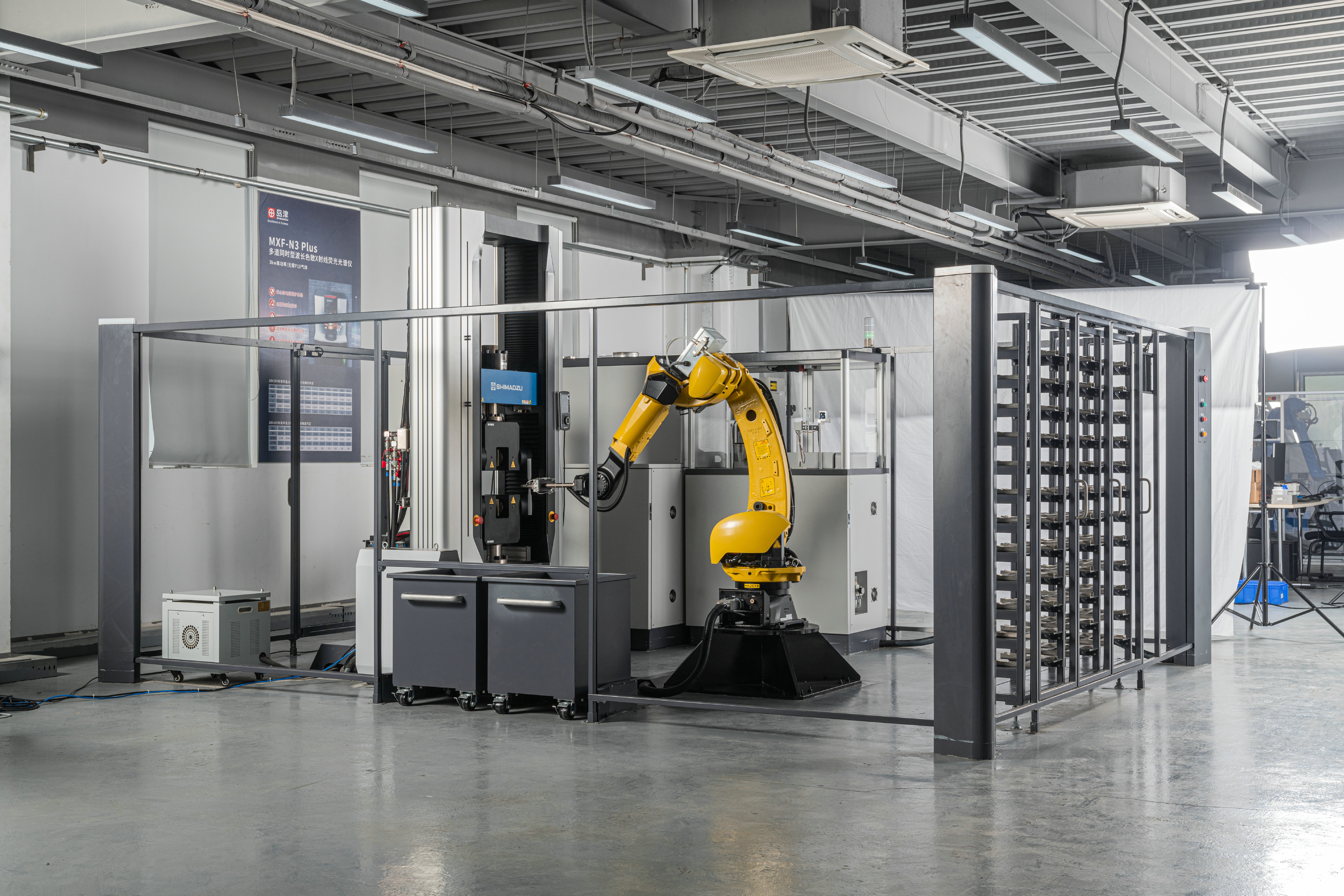
The landscape of business automation continues to evolve at an unprecedented pace, transforming how organizations operate across industries. As we approach 2026, automated solutions have become essential for companies seeking to maintain competitive advantages while optimizing operational efficiency. These technological advancements are reshaping traditional workflows, reducing human error, and enabling businesses to scale operations without proportional increases in overhead costs. The integration of automated systems represents more than just a technological upgrade; it signifies a fundamental shift toward intelligent, data-driven decision-making processes that can adapt to changing market conditions in real-time.
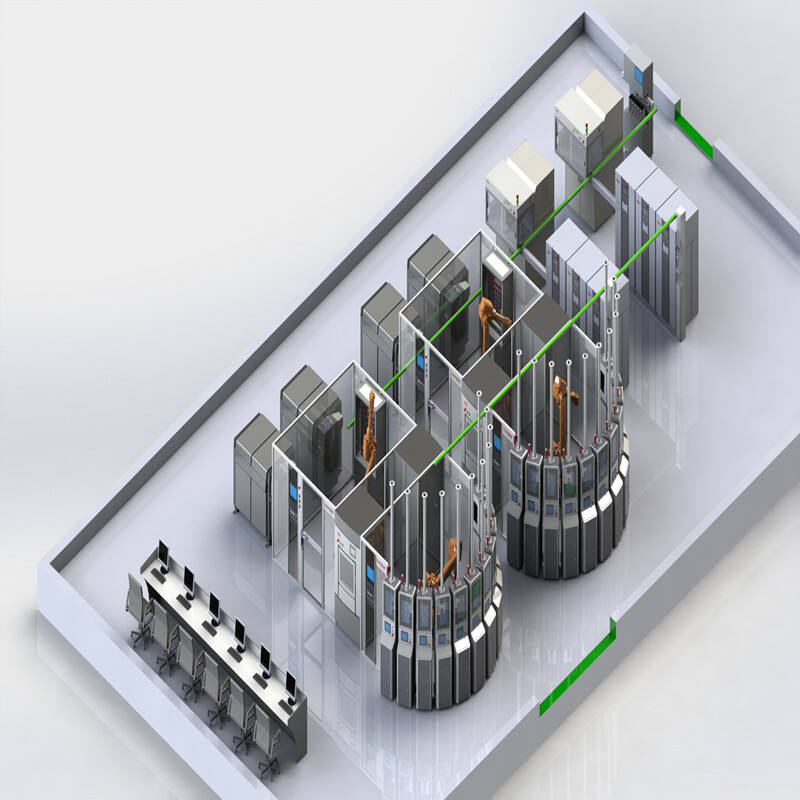
Comprehensive Laboratory Management Systems
Intelligent Sample Processing and Tracking
Modern laboratories require sophisticated automated systems to manage complex workflows and ensure accurate results. These systems incorporate advanced algorithms that can track samples from collection through analysis, maintaining detailed audit trails throughout the entire process. The integration of barcode scanning, RFID technology, and machine learning algorithms enables laboratories to process thousands of samples daily while minimizing contamination risks and human errors. Automated sample preparation modules can handle various specimen types, adjusting protocols based on specific requirements and quality control parameters.
The implementation of automated laboratory solutions significantly reduces turnaround times while improving data integrity. These systems can automatically flag anomalous results, schedule maintenance activities, and generate comprehensive reports that comply with regulatory standards. Quality assurance protocols are embedded within the automated workflows, ensuring consistent performance across all laboratory operations. Advanced predictive analytics capabilities help laboratories anticipate equipment failures and optimize resource allocation based on historical usage patterns.
Real-Time Data Analytics and Reporting
Contemporary automated laboratory systems excel in generating actionable insights from complex datasets. Machine learning algorithms analyze patterns in laboratory operations, identifying opportunities for process optimization and cost reduction. These systems can automatically adjust testing parameters based on sample characteristics, environmental conditions, and historical performance data. The integration of cloud-based analytics platforms enables real-time monitoring of laboratory metrics, allowing managers to make informed decisions quickly.
Automated reporting capabilities streamline compliance requirements by generating standardized documents that meet industry regulations. These systems maintain version control for all procedures and protocols, ensuring that laboratories operate according to the most current standards. The ability to integrate with external databases and regulatory reporting systems reduces administrative burden while maintaining accuracy. Advanced visualization tools present complex data in accessible formats, enabling stakeholders to understand laboratory performance at a glance.
Enterprise Resource Planning Automation
Supply Chain Optimization
Automated supply chain management systems represent a cornerstone of modern business operations, enabling organizations to optimize inventory levels while reducing carrying costs. These sophisticated platforms utilize predictive analytics to forecast demand patterns, automatically adjusting procurement schedules based on seasonal variations, market trends, and historical consumption data. The integration of Internet of Things sensors throughout the supply chain provides real-time visibility into inventory levels, shipment status, and quality conditions, allowing for proactive intervention when issues arise.
Advanced automated procurement systems can evaluate supplier performance metrics, negotiate contracts based on predefined criteria, and execute purchase orders without human intervention. These systems incorporate risk assessment algorithms that consider factors such as supplier financial stability, geopolitical conditions, and transportation reliability. The ability to automatically switch between suppliers based on availability, cost, and quality parameters ensures business continuity while optimizing procurement costs. Integration with financial systems enables automated invoice processing and payment scheduling, further reducing administrative overhead.
Financial Process Automation
Modern organizations leverage automated financial systems to streamline accounting processes, reduce errors, and improve cash flow management. These platforms can automatically categorize expenses, reconcile bank statements, and generate financial reports in compliance with accounting standards. Machine learning algorithms detect anomalous transactions and potential fraud, alerting financial teams to investigate suspicious activities promptly. Automated accounts payable and receivable systems optimize payment timing to maximize cash flow while maintaining positive supplier relationships.
The integration of automated budgeting and forecasting tools enables organizations to develop more accurate financial projections based on real-time operational data. These systems can model various scenarios, helping executives understand the financial impact of strategic decisions before implementation. Automated compliance monitoring ensures adherence to regulatory requirements, reducing the risk of penalties and audit findings. Advanced analytics capabilities provide insights into spending patterns, enabling organizations to identify cost-saving opportunities and optimize resource allocation across departments.
Customer Relationship Management Automation
Lead Generation and Qualification
Automated customer relationship management systems revolutionize how businesses attract, nurture, and convert prospects into customers. These platforms utilize sophisticated algorithms to identify high-quality leads based on behavioral patterns, demographic information, and engagement metrics. Automated lead scoring systems assign values to prospects based on their likelihood to convert, enabling sales teams to prioritize their efforts effectively. Integration with marketing automation tools creates seamless customer journeys that deliver personalized content at optimal times throughout the sales funnel.
Advanced automated systems can track customer interactions across multiple channels, creating comprehensive profiles that inform future engagement strategies. These platforms automatically trigger follow-up activities based on customer behavior, ensuring that no opportunities fall through the cracks. Machine learning algorithms continuously refine lead qualification criteria based on conversion outcomes, improving the accuracy of prospect evaluation over time. The ability to automatically segment customers based on various criteria enables targeted marketing campaigns that resonate with specific audience segments.
Customer Support and Service Delivery
Automated customer support systems enhance service quality while reducing operational costs through intelligent ticket routing, chatbot interactions, and knowledge base management. These platforms can analyze customer inquiries, categorize issues based on complexity and urgency, and route requests to the most qualified support representatives. Natural language processing capabilities enable chatbots to handle routine inquiries effectively, providing instant responses to common questions while escalating complex issues to human agents when necessary.
The implementation of automated service delivery systems ensures consistent customer experiences across all touchpoints. These platforms maintain detailed interaction histories, enabling support representatives to provide personalized assistance without requiring customers to repeat information. Automated satisfaction surveys gather feedback continuously, providing insights into service quality and identifying areas for improvement. Predictive analytics capabilities help organizations anticipate customer needs and proactively address potential issues before they escalate.
Manufacturing Process Automation
Production Planning and Scheduling
Automated manufacturing systems optimize production efficiency through intelligent scheduling algorithms that consider multiple variables simultaneously. These platforms analyze demand forecasts, resource availability, equipment capacity, and material constraints to create optimal production schedules that minimize costs while meeting delivery deadlines. Real-time monitoring capabilities track production progress, automatically adjusting schedules when disruptions occur to maintain overall efficiency. The integration of predictive maintenance systems ensures that equipment downtime is minimized through proactive intervention strategies.
Advanced automated systems can optimize changeover procedures, reducing setup times between different product runs and maximizing equipment utilization. These platforms utilize historical data to identify bottlenecks and suggest process improvements that enhance overall throughput. Quality control integration ensures that production standards are maintained consistently, with automated systems detecting deviations and triggering corrective actions immediately. The ability to simulate various production scenarios helps manufacturers evaluate the impact of changes before implementation.
Quality Control and Assurance
Automated quality control systems ensure consistent product standards through real-time monitoring, statistical process control, and intelligent defect detection. These platforms utilize advanced sensors, machine vision technology, and artificial intelligence to identify quality issues before defective products reach customers. Automated inspection systems can detect microscopic defects, dimensional variations, and surface imperfections with accuracy levels that exceed human capabilities. Integration with production systems enables immediate corrective actions when quality parameters drift outside acceptable ranges.
Comprehensive automated quality management systems maintain detailed records of all quality-related activities, enabling traceability throughout the manufacturing process. These platforms automatically generate quality reports, track corrective action effectiveness, and identify trends that might indicate systemic issues. Statistical process control algorithms continuously monitor process variations, alerting quality engineers when processes require adjustment. The implementation of automated supplier quality management ensures that incoming materials meet specifications before entering production workflows.
Human Resources Management Automation
Talent Acquisition and Onboarding
Automated human resources systems streamline talent acquisition processes through intelligent resume screening, candidate matching, and interview scheduling capabilities. These platforms utilize natural language processing and machine learning algorithms to evaluate candidate qualifications against job requirements, ranking applicants based on their suitability for specific roles. Automated screening systems can process hundreds of applications simultaneously, identifying the most qualified candidates while reducing time-to-hire significantly. Integration with job boards and social media platforms expands candidate reach while maintaining consistent application experiences.
Comprehensive automated onboarding systems ensure new employees receive consistent training and orientation experiences that accelerate their integration into organizational cultures. These platforms automatically generate personalized onboarding schedules, assign training modules based on role requirements, and track completion progress throughout the process. Automated compliance tracking ensures that all necessary documentation is completed and stored securely. The ability to gather feedback throughout the onboarding process enables continuous improvement of new employee experiences.
Performance Management and Analytics
Advanced automated performance management systems provide objective insights into employee productivity, engagement, and development opportunities through continuous data collection and analysis. These platforms track various performance metrics, including project completion rates, quality indicators, and collaboration effectiveness, providing managers with comprehensive views of team performance. Automated goal setting and tracking capabilities ensure alignment between individual objectives and organizational priorities. Real-time feedback mechanisms enable timely recognition and course correction when performance issues arise.
Sophisticated analytics capabilities identify patterns in employee behavior that correlate with high performance, enabling organizations to replicate successful practices across teams. Automated systems can predict employee turnover risk based on engagement metrics, performance trends, and external factors, allowing proactive retention strategies. Integration with learning management systems automatically recommends training opportunities based on skill gaps and career development goals. The implementation of automated succession planning tools ensures organizational continuity by identifying and developing internal talent for key positions.
Marketing Campaign Automation
Content Personalization and Distribution
Automated marketing systems revolutionize content creation and distribution through intelligent personalization algorithms that tailor messaging to individual preferences and behaviors. These platforms analyze customer data, including browsing history, purchase patterns, and engagement metrics, to create highly targeted content experiences. Automated content management systems can generate personalized email campaigns, social media posts, and website experiences that resonate with specific audience segments. The integration of dynamic content capabilities ensures that marketing materials remain relevant and engaging across different customer journey stages.
Advanced automated distribution systems optimize content delivery timing and channel selection based on recipient preferences and historical engagement patterns. These platforms can automatically adjust messaging frequency to prevent customer fatigue while maintaining consistent brand presence. A/B testing capabilities enable continuous optimization of content performance through automated experimentation and result analysis. Multi-channel integration ensures consistent messaging across email, social media, mobile applications, and website interactions, creating cohesive customer experiences.
Campaign Performance Analytics
Comprehensive automated analytics platforms provide real-time insights into marketing campaign effectiveness, enabling data-driven optimization strategies that improve return on investment. These systems track multiple performance indicators, including click-through rates, conversion metrics, customer acquisition costs, and lifetime value calculations. Automated attribution modeling helps marketers understand the contribution of different touchpoints throughout customer journeys. Advanced segmentation capabilities identify high-performing audience segments and recommend targeting strategies for future campaigns.
Predictive analytics functionality enables marketers to forecast campaign outcomes and optimize budget allocation across different channels and initiatives. Automated reporting systems generate comprehensive performance dashboards that highlight key trends and actionable insights. Integration with customer relationship management systems provides holistic views of campaign impact on sales pipeline development and customer retention. The ability to automatically adjust campaign parameters based on performance metrics ensures continuous optimization without manual intervention.
Cybersecurity and Risk Management Automation
Threat Detection and Response
Automated cybersecurity systems provide continuous monitoring and rapid response capabilities that protect organizations from evolving digital threats. These platforms utilize artificial intelligence and machine learning algorithms to identify suspicious activities, analyze network traffic patterns, and detect potential security breaches in real-time. Automated threat intelligence systems aggregate information from multiple sources, correlating indicators of compromise with known attack patterns. Behavioral analysis capabilities establish baseline activity patterns, automatically flagging deviations that might indicate unauthorized access or malicious activity.
Advanced automated incident response systems can contain security threats immediately upon detection, isolating affected systems and preventing lateral movement within networks. These platforms automatically collect forensic evidence, document incident details, and initiate remediation procedures according to predefined playbooks. Integration with security information and event management systems provides comprehensive visibility into organizational security posture. Automated vulnerability scanning capabilities identify security weaknesses and prioritize remediation efforts based on risk assessments.
Compliance Monitoring and Reporting
Sophisticated automated compliance systems ensure adherence to regulatory requirements through continuous monitoring, documentation, and reporting capabilities. These platforms maintain up-to-date knowledge of applicable regulations, automatically adjusting monitoring parameters when requirements change. Automated audit trail generation creates comprehensive records of all system activities, enabling organizations to demonstrate compliance during regulatory examinations. Risk assessment algorithms evaluate potential compliance violations and recommend corrective actions before issues escalate.
Comprehensive automated reporting systems generate standardized compliance documents that meet regulatory specifications while reducing administrative burden. These platforms can automatically distribute reports to appropriate stakeholders according to predefined schedules. Integration with governance, risk, and compliance frameworks provides holistic views of organizational risk exposure. Automated policy management systems ensure that all employees have access to current policies and procedures while tracking acknowledgment and training completion.
Frequently Asked Questions
What are the primary benefits of implementing automated business solutions
The implementation of automated business solutions provides numerous advantages that directly impact organizational performance and competitiveness. These systems significantly reduce operational costs by minimizing manual labor requirements and eliminating repetitive tasks that consume valuable employee time. Automated solutions improve accuracy and consistency by removing human error from critical processes, ensuring that operations maintain high quality standards regardless of volume fluctuations. Additionally, these systems enable organizations to scale operations efficiently without proportional increases in staffing or infrastructure costs, supporting sustainable growth strategies.
How do automated systems integrate with existing business infrastructure
Modern automated systems are designed with flexibility and interoperability in mind, enabling seamless integration with existing business infrastructure through standardized APIs and data exchange protocols. These platforms typically support various integration methods, including cloud-based connections, on-premises installations, and hybrid configurations that accommodate diverse technical environments. Most automated solutions include pre-built connectors for popular business applications, reducing implementation complexity and minimizing disruption to ongoing operations. The modular architecture of contemporary automated systems allows organizations to implement solutions gradually, testing functionality before full deployment.
What security considerations should organizations address when implementing automation
Organizations must prioritize cybersecurity when implementing automated systems, as these platforms often handle sensitive data and critical business processes. Comprehensive security frameworks should include robust authentication mechanisms, encryption protocols, and access control systems that limit user privileges according to job responsibilities. Regular security assessments and penetration testing help identify vulnerabilities before they can be exploited by malicious actors. Additionally, organizations should implement comprehensive backup and disaster recovery procedures to ensure business continuity in the event of system failures or security incidents.
How can businesses measure the return on investment for automated solutions
Measuring return on investment for automated solutions requires comprehensive tracking of both quantitative and qualitative benefits across multiple dimensions of business performance. Organizations should establish baseline metrics before implementation, including labor costs, processing times, error rates, and customer satisfaction scores. Post-implementation analysis should compare these metrics to demonstrate tangible improvements in operational efficiency. Additionally, businesses should consider indirect benefits such as improved employee satisfaction, enhanced scalability, and increased competitive advantages when calculating total return on investment for automated systems.
Table of Contents
- Comprehensive Laboratory Management Systems
- Enterprise Resource Planning Automation
- Customer Relationship Management Automation
- Manufacturing Process Automation
- Human Resources Management Automation
- Marketing Campaign Automation
- Cybersecurity and Risk Management Automation
-
Frequently Asked Questions
- What are the primary benefits of implementing automated business solutions
- How do automated systems integrate with existing business infrastructure
- What security considerations should organizations address when implementing automation
- How can businesses measure the return on investment for automated solutions