
 EN
EN



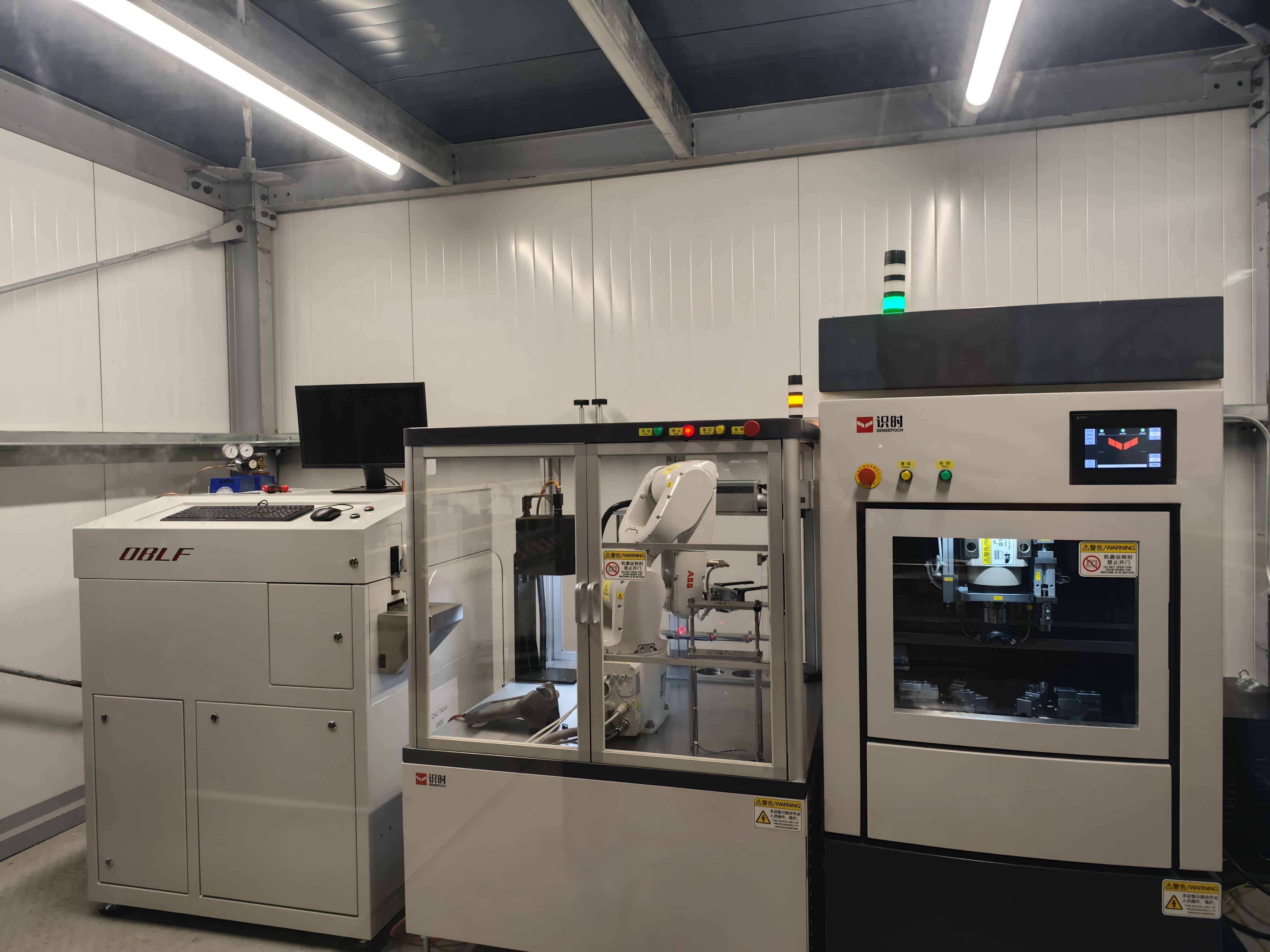
The field of chemical analysis has experienced remarkable transformation in recent years, with spectrophotometry emerging as one of the most critical analytical techniques in modern laboratories. Advanced spectrometer technology continues to revolutionize how scientists approach molecular identification, quantitative analysis, and quality control across industries. Today's sophisticated instruments offer unprecedented precision, speed, and versatility that were unimaginable just a decade ago.
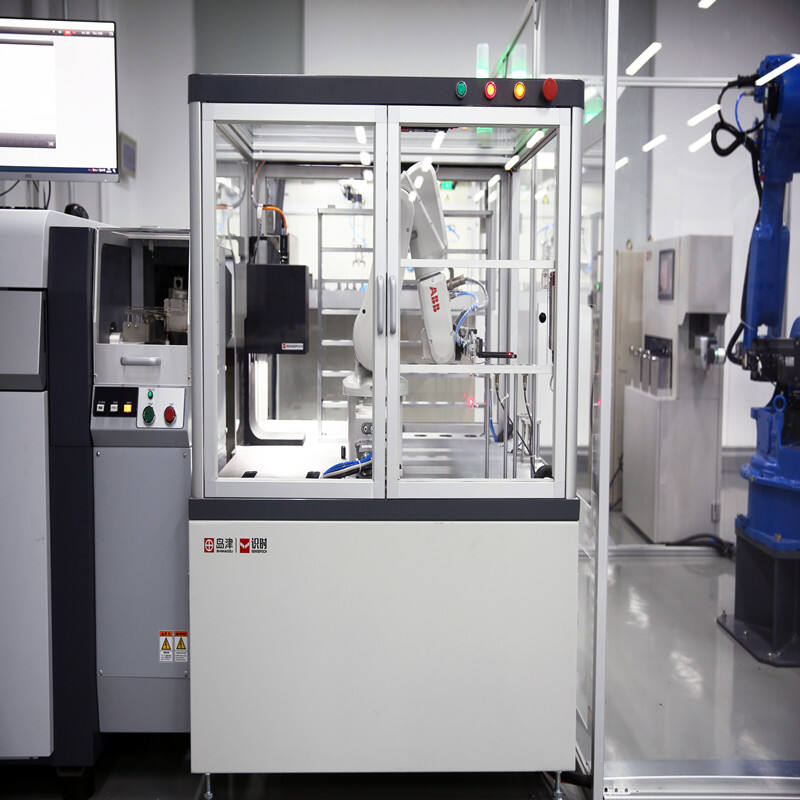
Modern analytical laboratories demand instruments that can deliver reliable results while maintaining operational efficiency. The evolution of spectrometer design has addressed these requirements through innovative optical systems, enhanced detector technologies, and intelligent software integration. These advancements have made spectrophotometric analysis more accessible to researchers across pharmaceutical, environmental, food safety, and materials science applications.
Revolutionary Optical System Enhancements
Advanced Monochromator Technologies
Contemporary spectrometer designs incorporate cutting-edge monochromator systems that provide exceptional wavelength accuracy and resolution. Modern instruments utilize holographic gratings and advanced optical geometries to achieve superior light dispersion characteristics. These innovations enable researchers to distinguish between closely spaced spectral lines with remarkable precision, opening new possibilities for complex mixture analysis.
The implementation of double monochromator configurations in high-end systems has virtually eliminated stray light interference, a persistent challenge in traditional single-beam instruments. This technological advancement allows for accurate measurements across extended wavelength ranges, particularly beneficial when analyzing samples with high optical density or complex matrices.
Next-Generation Detector Arrays
Silicon photodiode arrays and charge-coupled device detectors have transformed spectrometer performance by enabling simultaneous multi-wavelength detection. These advanced detector systems provide exceptional sensitivity while maintaining excellent signal-to-noise ratios across the entire spectral range. The rapid data acquisition capabilities of modern detectors allow for real-time monitoring applications and high-throughput sample analysis.
Temperature-stabilized detector arrays ensure consistent performance regardless of ambient laboratory conditions, while sophisticated cooling systems extend detector lifespan and maintain calibration stability. These improvements have made modern instruments significantly more reliable for routine analytical work and demanding research applications.
Smart Software Integration and Data Analysis
Artificial Intelligence in Spectral Interpretation
Machine learning algorithms now play an integral role in modern spectrometer software, enabling automated spectral interpretation and pattern recognition capabilities. Advanced algorithms can identify compound signatures, detect spectral anomalies, and provide predictive analysis based on extensive spectral databases. This intelligent approach reduces analysis time while improving accuracy and reproducibility.
The integration of cloud-based spectral libraries allows researchers to access comprehensive databases containing millions of reference spectra. These resources enable rapid compound identification and quantitative analysis across diverse sample types, making the spectrometer an even more powerful analytical tool for routine laboratory work.
Automated Method Development and Validation
Contemporary instrument software includes sophisticated method development wizards that guide users through analytical method creation and optimization processes. These tools automatically select appropriate measurement parameters, optimize instrument settings, and validate method performance according to established analytical standards. This automation reduces the technical expertise required for method development while ensuring regulatory compliance.
Built-in statistical analysis packages provide comprehensive data evaluation capabilities, including regression analysis, method comparison studies, and uncertainty calculations. These features enable laboratories to maintain strict quality control standards while streamlining analytical workflows and reducing manual data processing requirements.
Industry-Specific Applications and Innovations
Pharmaceutical Quality Control Advances
The pharmaceutical industry has greatly benefited from recent spectrometer innovations, particularly in areas of raw material identification, process monitoring, and finished product analysis. Modern instruments can perform rapid identity testing of incoming materials, ensuring supply chain integrity and preventing counterfeit drug components from entering production processes.
Process analytical technology implementations using spectrometer systems enable real-time monitoring of pharmaceutical manufacturing processes. These applications provide immediate feedback on reaction progress, product quality, and process deviations, allowing for rapid corrective actions and improved batch consistency.
Environmental Monitoring Applications
Environmental laboratories utilize advanced spectrometer technology for monitoring water quality, air pollution, and soil contamination levels. Modern instruments can detect trace-level pollutants with exceptional sensitivity, supporting regulatory compliance and environmental protection efforts. The ability to perform multi-component analysis simultaneously has streamlined environmental monitoring protocols.
Portable spectrometer systems have revolutionized field-based environmental analysis, enabling on-site contamination assessment and emergency response capabilities. These rugged instruments maintain laboratory-grade performance while providing the mobility required for environmental fieldwork applications.
Future Trends and Emerging Technologies
Miniaturization and Portability Developments
The trend toward miniaturized spectrometer designs continues to accelerate, driven by advances in optical component manufacturing and detector technology. Compact instruments now deliver performance comparable to traditional benchtop systems while offering enhanced portability and reduced operational costs. These developments are expanding spectrometer applications into new markets and use cases.
Micro-electromechanical systems technology has enabled the development of chip-based spectrometer components that maintain excellent optical performance in extremely small packages. This miniaturization trend promises to make spectrophotometric analysis available in previously impossible applications, including point-of-care medical diagnostics and consumer product testing.
Connectivity and Internet of Things Integration
Modern spectrometer systems increasingly incorporate Internet of Things connectivity, enabling remote monitoring, predictive maintenance, and cloud-based data analysis capabilities. These connected instruments can automatically transmit analytical results, receive software updates, and participate in distributed analytical networks that share spectral data and analytical expertise.
Blockchain technology integration promises to provide immutable analytical records and enhanced data security for regulated industries. This technological convergence will enable new levels of analytical data integrity and traceability, supporting compliance requirements in pharmaceutical, food safety, and environmental applications.
Operational Excellence and Laboratory Efficiency
Maintenance and Calibration Automation
Automated maintenance routines and self-diagnostic capabilities in modern spectrometer systems significantly reduce operational overhead and ensure consistent analytical performance. Intelligent instruments can monitor their own performance parameters, predict maintenance requirements, and automatically perform routine calibration procedures without operator intervention.
Advanced spectrometer designs incorporate built-in reference standards and automated wavelength calibration systems that maintain instrument accuracy over extended periods. These features reduce the frequency of manual calibration procedures and minimize instrument downtime, improving overall laboratory productivity and analytical throughput.
User Interface and Training Considerations
Intuitive touchscreen interfaces and guided operating procedures have made modern spectrometer systems more accessible to operators with varying levels of technical expertise. Comprehensive training modules and interactive help systems reduce the learning curve associated with new instrument adoption and ensure proper analytical procedures are followed consistently.
Multi-language support and customizable user interfaces accommodate diverse laboratory environments and international operations. These accessibility features enable global organizations to standardize analytical procedures while accommodating local language requirements and regulatory standards.
Cost-Effectiveness and Return on Investment
Total Cost of Ownership Analysis
Modern spectrometer systems demonstrate excellent value propositions through reduced operational costs, improved analytical throughput, and extended instrument lifespans. Advanced optical designs and robust construction minimize maintenance requirements while delivering consistent performance over many years of operation. These factors contribute to favorable total cost of ownership calculations for laboratory equipment investments.
Energy-efficient designs and automated standby modes reduce operational electricity consumption while maintaining instrument readiness for immediate use. LED light sources and optimized detector systems contribute to lower operational costs while providing superior analytical performance compared to traditional lamp-based systems.
Productivity and Throughput Improvements
High-speed measurement capabilities and automated sample handling systems enable dramatic increases in analytical throughput compared to traditional spectrometer designs. Modern instruments can complete complex analytical sequences in minutes rather than hours, allowing laboratories to process larger sample volumes while maintaining analytical quality standards.
Integrated data management systems and automated reporting capabilities eliminate manual data transcription and reduce administrative overhead associated with analytical testing. These efficiency improvements enable laboratory staff to focus on higher-value activities while maintaining comprehensive analytical documentation and regulatory compliance.
FAQ
What are the key advantages of modern spectrometer technology over traditional instruments?
Modern spectrometer systems offer significantly improved accuracy, faster analysis times, enhanced automation capabilities, and better data management features compared to traditional instruments. Advanced detector arrays enable simultaneous multi-wavelength measurements, while intelligent software provides automated method development and validation capabilities. These improvements result in higher analytical throughput, improved data quality, and reduced operational complexity for laboratory users.
How do artificial intelligence features enhance spectrometer performance?
AI integration in spectrometer systems enables automated spectral interpretation, pattern recognition, and predictive analysis capabilities that significantly reduce analysis time and improve accuracy. Machine learning algorithms can identify compound signatures, detect anomalies, and provide intelligent method suggestions based on extensive spectral databases. These features make instruments more accessible to users with varying technical expertise while ensuring consistent analytical results.
What industries benefit most from advanced spectrometer technology?
Pharmaceutical, environmental, food safety, materials science, and chemical manufacturing industries derive substantial benefits from modern spectrometer technology. These sectors require precise analytical capabilities for quality control, regulatory compliance, and research applications. Advanced instruments provide the accuracy, reliability, and throughput necessary to meet demanding analytical requirements while reducing operational costs and improving laboratory efficiency.
How has miniaturization affected spectrometer capabilities and applications?
Miniaturization has made spectrometer technology more accessible and versatile by enabling portable instruments that maintain laboratory-grade performance. Compact designs allow for field-based analysis, point-of-care applications, and integration into manufacturing processes where traditional benchtop instruments would be impractical. This portability expands analytical capabilities into new markets and applications while reducing equipment costs and space requirements for many laboratory environments.
Table of Contents
- Revolutionary Optical System Enhancements
- Smart Software Integration and Data Analysis
- Industry-Specific Applications and Innovations
- Future Trends and Emerging Technologies
- Operational Excellence and Laboratory Efficiency
- Cost-Effectiveness and Return on Investment
-
FAQ
- What are the key advantages of modern spectrometer technology over traditional instruments?
- How do artificial intelligence features enhance spectrometer performance?
- What industries benefit most from advanced spectrometer technology?
- How has miniaturization affected spectrometer capabilities and applications?