
 EN
EN



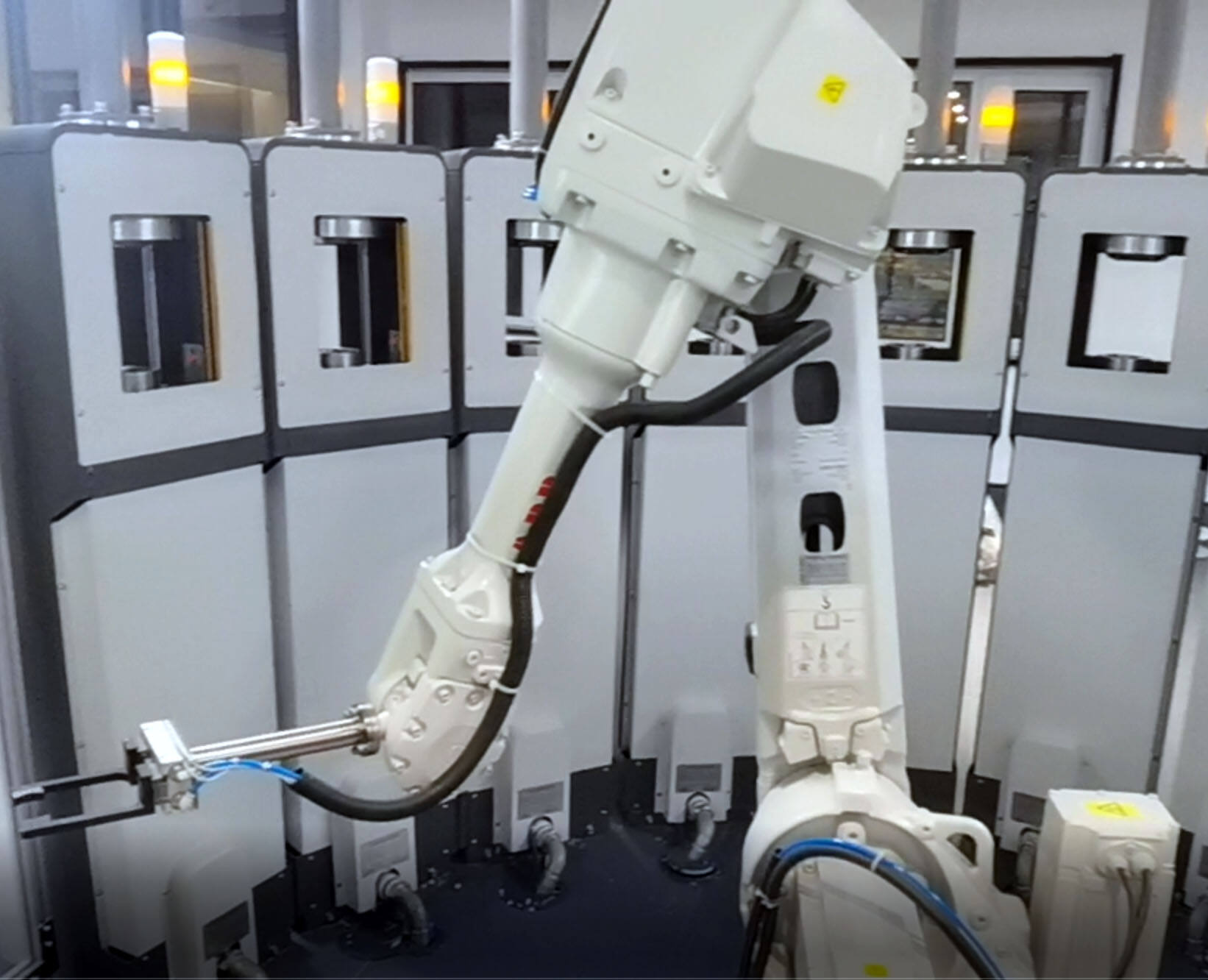
In modern healthcare facilities, the secure and efficient transportation of biological samples is critical to patient care and laboratory operations. A pneumatic tube system represents one of the most reliable methods for moving sensitive bio-medical samples throughout hospitals, clinics, and research facilities. These systems utilize compressed air to propel specially designed carriers through a network of tubes, ensuring rapid delivery while maintaining the integrity of valuable specimens. The implementation of proper safety protocols and advanced technology makes a pneumatic tube system an indispensable tool for healthcare professionals who require immediate access to test results and diagnostic information.
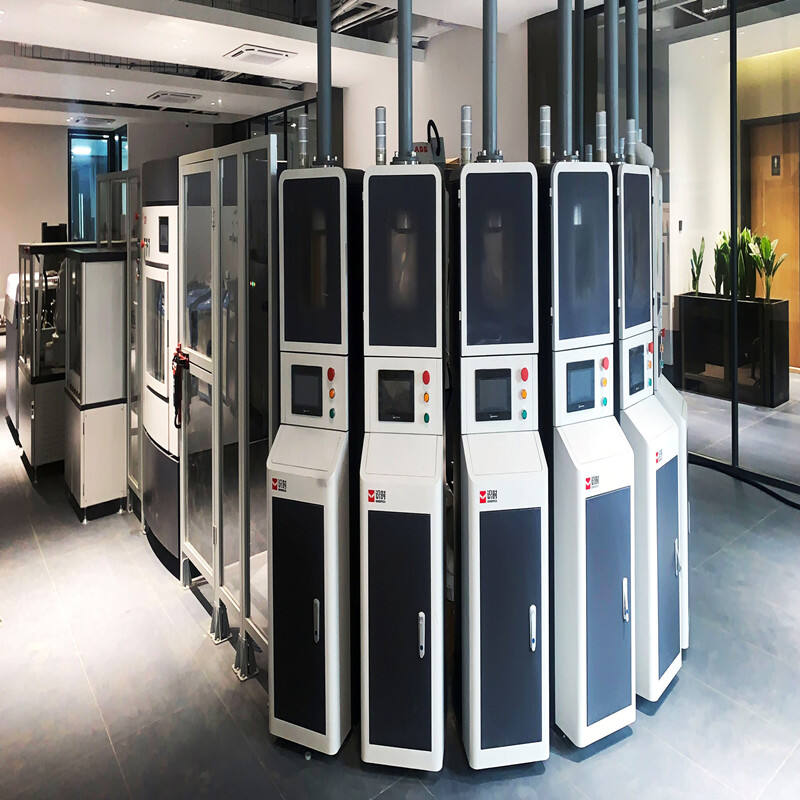
Healthcare institutions worldwide depend on pneumatic tube systems to streamline their internal logistics and reduce the time required for sample processing. The technology has evolved significantly from its early industrial applications to become a sophisticated solution specifically designed for medical environments. Modern installations incorporate multiple safety features and quality control measures that protect sensitive biological materials during transport. Understanding the safety considerations and best practices associated with these systems is essential for healthcare administrators, laboratory technicians, and medical professionals who rely on accurate and timely diagnostic results.
Understanding Pneumatic Tube System Components and Safety Features
Core System Architecture and Design Elements
The fundamental architecture of a pneumatic tube system consists of several interconnected components that work together to ensure safe and reliable sample transport. The central blower unit generates the necessary air pressure differential to move carriers through the tube network, while sophisticated control systems manage traffic flow and prevent collisions. Each station features specialized sending and receiving units equipped with safety interlocks that prevent accidental operation and protect both users and samples from potential damage.
Modern pneumatic tube systems incorporate redundant safety mechanisms throughout their design to minimize the risk of sample loss or contamination. The tube network itself is constructed from high-grade materials that resist corrosion and maintain structural integrity under continuous operation. Strategic placement of pressure sensors and monitoring equipment allows for real-time system diagnostics and immediate detection of any anomalies that could compromise sample security.
Advanced Safety Technologies and Monitoring Systems
Contemporary installations feature intelligent monitoring systems that continuously track carrier movement and system performance parameters. These advanced technologies include RFID tracking capabilities that provide complete visibility of sample location and transit times throughout the facility. The integration of smart sensors enables automatic detection of carrier jams, pressure irregularities, or other conditions that could potentially affect sample integrity.
Emergency shutdown protocols are built into every pneumatic tube system to ensure immediate system isolation in case of malfunction or safety concerns. Backup power systems maintain essential safety functions during power outages, while comprehensive alarm systems alert maintenance personnel to any issues requiring immediate attention. These technological safeguards create multiple layers of protection that significantly exceed traditional manual transport methods in terms of reliability and security.
Bio-Medical Sample Handling Protocols and Best Practices
Specimen Preparation and Container Requirements
Proper specimen preparation is fundamental to maintaining sample integrity during pneumatic transport. Healthcare facilities must establish comprehensive protocols that specify appropriate container types, labeling requirements, and packaging procedures for different sample categories. The selection of appropriate carriers and cushioning materials helps protect fragile specimens from the acceleration and deceleration forces encountered during transport through the pneumatic tube system.
Temperature-sensitive samples require special consideration and may need insulated carriers or temperature monitoring devices to ensure they remain within acceptable ranges throughout transport. Blood samples, tissue specimens, and other biological materials each have specific handling requirements that must be incorporated into standard operating procedures. Regular training programs ensure that all personnel understand proper preparation techniques and can identify samples that may not be suitable for pneumatic transport.
Quality Control and Chain of Custody Procedures
Maintaining an unbroken chain of custody is essential for bio-medical samples transported through a pneumatic tube system. Comprehensive tracking systems record the identity of personnel handling samples at each stage of the transport process, along with timestamps and location data. Digital documentation systems replace paper-based tracking methods to reduce errors and provide immediate access to transport history information.
Regular quality assurance testing verifies that the pneumatic tube system continues to meet all performance specifications and safety requirements. This includes periodic validation of transport times, temperature stability, and the absence of contamination throughout the tube network. Calibration of monitoring equipment ensures accurate data collection and helps identify potential issues before they can impact sample quality or patient care.
Risk Management and Compliance Considerations
Regulatory Standards and Industry Guidelines
Healthcare facilities operating pneumatic tube systems must comply with numerous regulatory standards and industry guidelines that govern the transport of bio-medical samples. These regulations address everything from system design and installation requirements to ongoing maintenance and personnel training obligations. Understanding and implementing these requirements is crucial for maintaining accreditation and ensuring patient safety.
Regular audits and inspections verify compliance with applicable standards and identify opportunities for improvement in safety protocols or system performance. Documentation requirements mandate the maintenance of comprehensive records covering system operation, maintenance activities, and incident reports. These records serve as evidence of due diligence and help facility administrators demonstrate their commitment to safe sample transport practices.
Emergency Response and Incident Management
Effective emergency response procedures are essential components of any pneumatic tube system safety program. These procedures must address various scenarios including system malfunctions, power outages, carrier jams, and potential sample spills or contamination incidents. Clear communication protocols ensure that all relevant personnel are notified immediately when incidents occur, enabling rapid response and minimization of potential impacts.
Incident investigation procedures help identify root causes and prevent recurrence of safety issues within the pneumatic tube system. Regular drills and training exercises ensure that staff members are prepared to respond appropriately to emergency situations. Post-incident analysis contributes to continuous improvement of safety protocols and system design modifications that enhance overall reliability and security.
Maintenance and Performance Optimization Strategies
Preventive Maintenance Programs and System Longevity
A comprehensive preventive maintenance program is essential for ensuring the long-term reliability and safety of any pneumatic tube system. Regular inspection schedules identify potential issues before they can impact system performance or compromise sample security. Maintenance activities include cleaning of tube networks, calibration of monitoring equipment, and replacement of wear components according to manufacturer specifications.
Predictive maintenance technologies utilize sensor data and performance analytics to optimize maintenance scheduling and reduce unexpected system downtime. These advanced approaches help healthcare facilities maximize the return on their pneumatic tube system investment while maintaining the highest levels of safety and reliability. Proper maintenance documentation supports regulatory compliance efforts and helps justify ongoing operational expenses.
Performance Monitoring and Continuous Improvement
Ongoing performance monitoring provides valuable insights into pneumatic tube system operation and identifies opportunities for optimization. Key performance indicators include transport times, system availability, and error rates that can be tracked over time to assess system health and efficiency. Regular performance reviews help facility managers make informed decisions about system upgrades, capacity expansion, or operational modifications.
User feedback from laboratory personnel and healthcare providers contributes valuable information about system performance and potential areas for improvement. This input helps guide decisions about operational modifications or technology upgrades that can enhance safety and efficiency. Continuous improvement initiatives ensure that the pneumatic tube system continues to meet evolving facility needs and maintains optimal performance throughout its operational lifetime.
Technology Integration and Future Developments
Smart Systems and Automation Capabilities
Modern pneumatic tube systems increasingly incorporate smart technologies and automation capabilities that enhance safety and operational efficiency. Artificial intelligence and machine learning algorithms analyze system performance data to predict maintenance needs and optimize routing decisions. These advanced technologies reduce human error and improve the overall reliability of sample transport operations.
Integration with hospital information systems enables automatic routing of samples based on test orders and priority levels. This connectivity eliminates manual routing decisions and ensures that urgent samples receive appropriate priority throughout the transport process. Real-time status updates keep healthcare providers informed about sample location and expected delivery times, supporting more efficient workflow management.
Emerging Technologies and Innovation Trends
The future of pneumatic tube system technology includes innovations in carrier design, tracking capabilities, and system intelligence that will further enhance safety and performance. Advanced materials and manufacturing techniques are producing lighter, stronger carriers that provide better protection for sensitive samples. Enhanced tracking technologies offer unprecedented visibility into sample location and condition throughout the transport process.
Environmental monitoring capabilities continue to expand, with new sensors that can detect a wider range of conditions that might affect sample integrity. These developments support more sophisticated quality control measures and help ensure that transported samples maintain their diagnostic value. The integration of these emerging technologies represents a significant advancement in pneumatic tube system capabilities and safety features.
Cost-Benefit Analysis and Implementation Considerations
Financial Planning and Return on Investment
Healthcare facilities considering pneumatic tube system implementation must carefully evaluate the financial implications and expected return on investment. Initial capital costs include system design, installation, and staff training, while ongoing expenses cover maintenance, utilities, and operational support. However, the benefits of reduced labor costs, improved efficiency, and enhanced sample security often justify the investment over the system's operational lifetime.
Quantifiable benefits include reduced staff time for sample transport, decreased sample loss rates, and improved turnaround times for diagnostic testing. These improvements translate directly into cost savings and enhanced patient care capabilities. Comprehensive financial analysis should consider both direct costs and indirect benefits such as improved staff productivity and enhanced facility reputation.
Implementation Planning and Project Management
Successful pneumatic tube system implementation requires careful planning and project management to minimize disruption to ongoing healthcare operations. Phased installation approaches allow facilities to maintain essential services while gradually expanding system coverage. Comprehensive staff training programs ensure that personnel are prepared to operate and maintain the new system safely and effectively.
Change management strategies help healthcare organizations adapt their workflows and procedures to take full advantage of pneumatic tube system capabilities. Regular progress reviews and milestone assessments ensure that implementation projects remain on schedule and within budget. Post-implementation evaluation identifies opportunities for optimization and helps maximize the benefits of the new system investment.
FAQ
What types of bio-medical samples can safely be transported through a pneumatic tube system
Most standard laboratory specimens including blood samples, urine samples, tissue specimens, and pharmaceutical preparations can be safely transported through properly designed pneumatic tube systems. However, certain samples such as those requiring strict temperature control, fragile cell cultures, or radioactive materials may require special handling procedures or alternative transport methods. Healthcare facilities should establish clear guidelines specifying which sample types are appropriate for pneumatic transport and ensure staff training covers these requirements.
How do pneumatic tube systems prevent cross-contamination between samples
Modern pneumatic tube systems incorporate multiple contamination prevention measures including sealed carriers, positive air pressure maintenance, and regular cleaning protocols. Each sample is transported in a secure, enclosed carrier that prevents contact with the tube surfaces or other samples. The continuous airflow through the system helps prevent the accumulation of contaminants, while automated cleaning cycles and maintenance procedures ensure system cleanliness. Additionally, tracking systems prevent carrier mixing and ensure proper sample identification throughout the transport process.
What happens if a pneumatic tube system experiences a malfunction during sample transport
Pneumatic tube systems include comprehensive safety features and emergency procedures to address potential malfunctions. Immediate system shutdown capabilities prevent further sample movement if problems are detected, while emergency retrieval procedures allow maintenance personnel to safely recover any samples that may be stuck in the system. Backup power systems maintain essential safety functions during power outages, and comprehensive alarm systems alert staff to any issues requiring immediate attention. All incidents are documented and investigated to prevent recurrence.
How often should pneumatic tube systems undergo maintenance and safety inspections
Pneumatic tube systems require regular maintenance according to manufacturer specifications, typically including daily operational checks, weekly system performance reviews, and monthly comprehensive inspections. Annual safety audits verify compliance with regulatory requirements and identify any necessary system upgrades or modifications. The specific maintenance schedule may vary based on system usage, facility requirements, and local regulations. Proper documentation of all maintenance activities is essential for regulatory compliance and optimal system performance.
Table of Contents
- Understanding Pneumatic Tube System Components and Safety Features
- Bio-Medical Sample Handling Protocols and Best Practices
- Risk Management and Compliance Considerations
- Maintenance and Performance Optimization Strategies
- Technology Integration and Future Developments
- Cost-Benefit Analysis and Implementation Considerations
-
FAQ
- What types of bio-medical samples can safely be transported through a pneumatic tube system
- How do pneumatic tube systems prevent cross-contamination between samples
- What happens if a pneumatic tube system experiences a malfunction during sample transport
- How often should pneumatic tube systems undergo maintenance and safety inspections