
 EN
EN



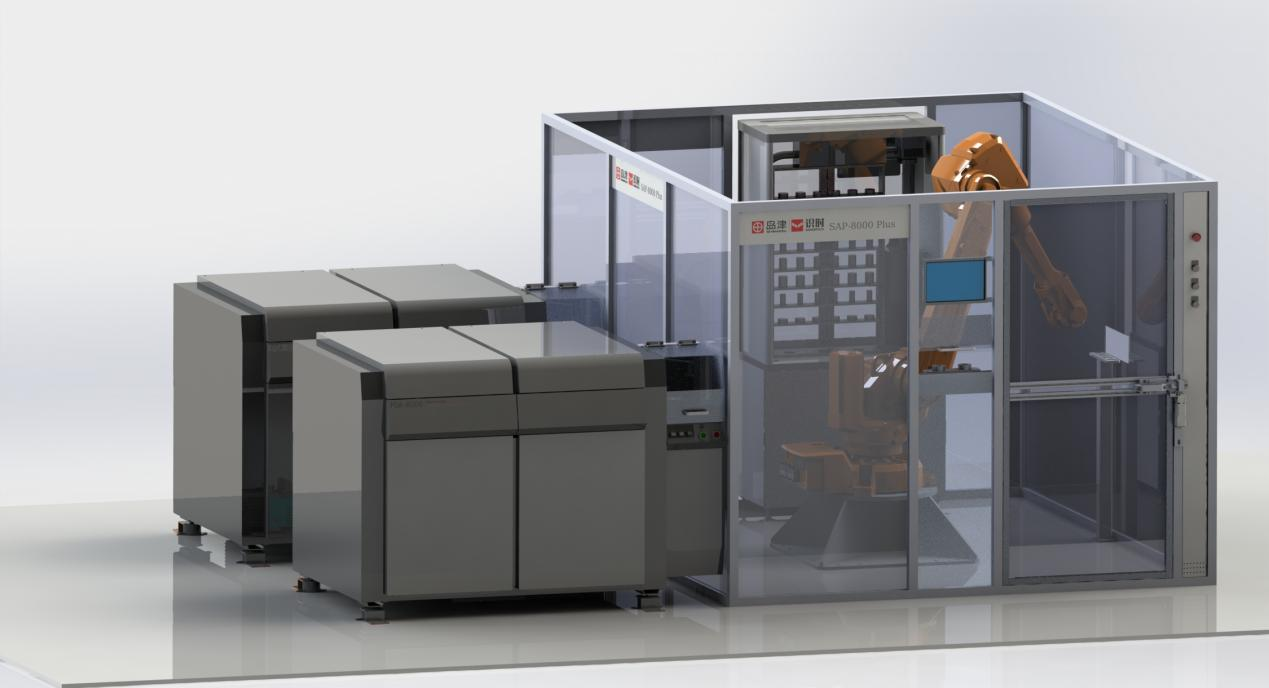
A spectrophotometer represents one of the most critical analytical instruments in modern laboratories, serving essential functions across pharmaceutical, environmental, food safety, and materials testing applications. Proper maintenance of this sophisticated equipment ensures accurate measurements, extends instrument lifespan, and maintains compliance with regulatory standards. Understanding the fundamental principles of spectrophotometer care directly impacts measurement precision and laboratory productivity.
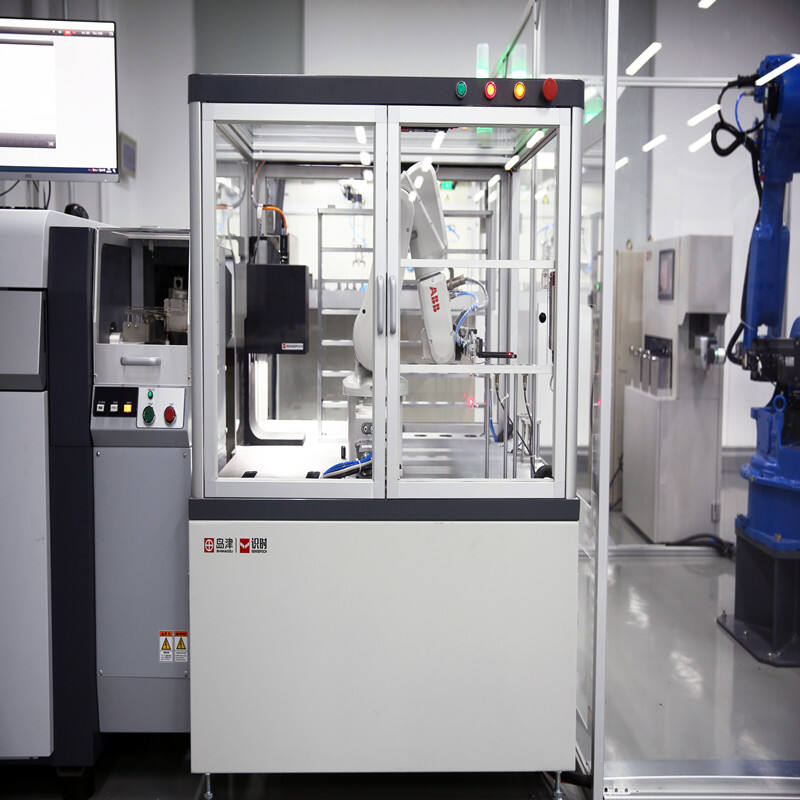
Laboratory professionals must recognize that spectrophotometer maintenance extends far beyond simple cleaning procedures. The intricate optical systems, electronic components, and mechanical assemblies require systematic attention to preserve measurement accuracy. Regular maintenance protocols prevent costly breakdowns, reduce unexpected downtime, and ensure consistent analytical results that meet quality assurance requirements.
Daily Maintenance Protocols for Optimal Performance
Essential Daily Inspection Procedures
Daily spectrophotometer maintenance begins with comprehensive visual inspections of external components, checking for physical damage, loose connections, or contamination that could compromise performance. Laboratory technicians should examine the sample compartment for residual materials, verify that all cables remain securely connected, and confirm proper ventilation around the instrument housing. These preliminary checks identify potential issues before they escalate into major problems.
Temperature stability represents a critical factor in spectrophotometer operation, requiring daily monitoring of ambient laboratory conditions and instrument internal temperatures. The spectrophotometer should remain powered on continuously in most cases, as frequent power cycling can stress electronic components and affect optical alignment. Operators must verify that cooling systems function properly and maintain recommended temperature ranges throughout daily operations.
Sample Handling and Contamination Prevention
Proper sample handling procedures protect the spectrophotometer from contamination while ensuring measurement accuracy across diverse analytical applications. Laboratory personnel must clean sample compartments thoroughly between measurements, removing any trace residues that could interfere with subsequent analyses. The use of appropriate cuvettes, sample holders, and cleaning solvents prevents cross-contamination and maintains optical clarity.
Contamination prevention extends to proper storage and handling of reference standards, blank solutions, and calibration materials used with the spectrophotometer. These materials must remain pure and properly labeled to maintain measurement traceability and accuracy. Regular replacement of deteriorated standards ensures continued measurement reliability and compliance with analytical protocols.
Weekly Maintenance Tasks for System Integrity
Optical Component Cleaning and Inspection
Weekly maintenance routines focus on detailed optical component cleaning, which directly impacts spectrophotometer measurement precision and accuracy. The optical path requires careful attention, including mirrors, lenses, gratings, and detector surfaces that accumulate dust and contamination during normal operation. Specialized cleaning solutions and lint-free materials prevent damage to delicate optical coatings while removing interfering substances.
Light source inspection forms another crucial weekly maintenance task, as lamp performance directly affects spectrophotometer functionality and measurement consistency. Operators should monitor lamp intensity, check for proper alignment, and document any changes in light output characteristics. Deuterium and tungsten lamps have specific replacement schedules that must be followed to maintain optimal performance.
Calibration Verification and Adjustments
Weekly calibration verification ensures that the spectrophotometer maintains measurement accuracy within specified tolerances across its operational wavelength range. This process involves measuring certified reference materials at multiple wavelengths and comparing results to expected values. Any deviations beyond acceptable limits indicate the need for recalibration or service intervention.
Wavelength accuracy verification represents a fundamental calibration check, typically performed using holmium oxide filters or other certified wavelength standards. The spectrophotometer must demonstrate consistent wavelength accuracy across its entire range to ensure reliable analytical results. Documentation of calibration results provides traceability and supports quality assurance programs.
Monthly Comprehensive Maintenance Procedures
Mechanical System Inspection and Lubrication
Monthly maintenance expands to include detailed mechanical system inspections, focusing on moving components that support spectrophotometer operation. Wavelength drive mechanisms, sample changers, and motorized components require regular lubrication and adjustment to maintain smooth operation. Proper lubrication prevents excessive wear and ensures consistent mechanical positioning accuracy.
Cooling system maintenance becomes particularly important during monthly service intervals, including filter cleaning, coolant level checks, and fan operation verification. The spectrophotometer relies on stable thermal conditions for accurate measurements, making cooling system integrity essential for proper operation. Blocked filters or inadequate cooling can lead to measurement drift and component damage.
Electronic System Diagnostics and Testing
Monthly electronic system diagnostics evaluate the performance of critical electronic components within the spectrophotometer, including power supplies, amplifiers, and analog-to-digital converters. Built-in diagnostic routines help identify potential electronic issues before they affect measurement accuracy. Voltage measurements and signal integrity checks confirm proper electronic operation.
Detector performance testing represents a crucial monthly maintenance task, as detector sensitivity directly impacts spectrophotometer measurement capabilities. Dark current measurements, noise evaluations, and linearity tests verify that detectors operate within manufacturer specifications. Any degradation in detector performance requires immediate attention to maintain measurement quality.
Quarterly and Annual Maintenance Requirements
Comprehensive Optical Alignment Verification
Quarterly maintenance includes comprehensive optical alignment verification, ensuring that all optical components remain properly positioned for optimal spectrophotometer performance. This detailed process requires specialized equipment and expertise to verify beam paths, focus positions, and optical element alignment. Misalignment can significantly impact measurement accuracy and must be corrected promptly.
Annual maintenance extends to complete optical system overhaul, including detailed cleaning of internal components that are not accessible during routine maintenance. This comprehensive service typically requires factory-trained technicians who can properly disassemble and reassemble the spectrophotometer while maintaining optical alignment and cleanliness standards.
Performance Qualification and Documentation
Annual performance qualification demonstrates that the spectrophotometer continues to meet all operational specifications and regulatory requirements. This comprehensive testing evaluates wavelength accuracy, photometric accuracy, stray light levels, noise characteristics, and stability across the entire operational range. Documentation of these results supports regulatory compliance and quality assurance programs.
Preventive maintenance records provide valuable insight into spectrophotometer performance trends and help predict future service requirements. Detailed documentation of all maintenance activities, calibration results, and performance tests creates a comprehensive service history that supports troubleshooting efforts and warranty claims. Regular analysis of maintenance data helps optimize service schedules and identify recurring issues.
Troubleshooting Common Spectrophotometer Issues
Identifying and Resolving Measurement Problems
Common spectrophotometer measurement problems often stem from contamination, improper sample preparation, or instrument drift that develops gradually over time. Systematic troubleshooting procedures help identify root causes and implement appropriate corrective actions. Baseline drift, excessive noise, and poor repeatability represent the most frequent measurement issues encountered in laboratory operations.
Sample-related problems frequently masquerade as instrument malfunctions, emphasizing the importance of proper sample preparation and handling procedures. Bubble formation, temperature variations, and chemical incompatibilities can significantly impact spectrophotometer measurements. Laboratory personnel must understand these potential interferences and implement appropriate control measures.
Environmental Factor Considerations
Environmental factors play a crucial role in spectrophotometer performance, requiring careful attention to laboratory conditions and their impact on measurement accuracy. Temperature fluctuations, vibrations, electromagnetic interference, and humidity variations can all affect instrument operation. Proper environmental controls and monitoring help maintain optimal operating conditions.
Power quality represents another important environmental consideration, as voltage fluctuations and electrical noise can impact spectrophotometer electronics and measurement stability. Dedicated power conditioning equipment and proper grounding techniques help ensure stable electrical supply for sensitive analytical equipment. Regular monitoring of power quality helps identify potential problems before they affect measurements.
FAQ
How often should spectrophotometer lamps be replaced
Spectrophotometer lamp replacement schedules depend on usage patterns and manufacturer recommendations, typically ranging from 1000 to 2000 hours of operation for deuterium lamps and 2000 to 3000 hours for tungsten halogen lamps. Regular monitoring of lamp intensity and spectrum quality helps determine optimal replacement timing. Preventive replacement before complete failure ensures measurement continuity and prevents unexpected downtime.
What causes baseline drift in spectrophotometer measurements
Baseline drift typically results from temperature fluctuations, lamp aging, optical component contamination, or electronic instability within the spectrophotometer system. Environmental changes, insufficient warm-up time, and deteriorating reference standards can also contribute to baseline instability. Regular maintenance, proper environmental controls, and adequate instrument warm-up periods help minimize baseline drift issues.
Why is wavelength calibration important for spectrophotometer accuracy
Wavelength calibration ensures that the spectrophotometer accurately identifies and measures specific wavelengths across its operational range, directly impacting measurement accuracy and method compliance. Wavelength errors can lead to incorrect peak identification, quantitative analysis errors, and regulatory compliance issues. Regular wavelength verification using certified standards maintains measurement traceability and analytical reliability.
How do environmental conditions affect spectrophotometer performance
Environmental conditions including temperature, humidity, vibration, and electromagnetic interference significantly impact spectrophotometer measurement stability and accuracy. Temperature fluctuations affect optical alignment and electronic stability, while excessive humidity can cause condensation on optical surfaces. Controlled laboratory environments with stable temperature, proper ventilation, and vibration isolation help maintain optimal instrument performance and measurement precision.