
 EN
EN



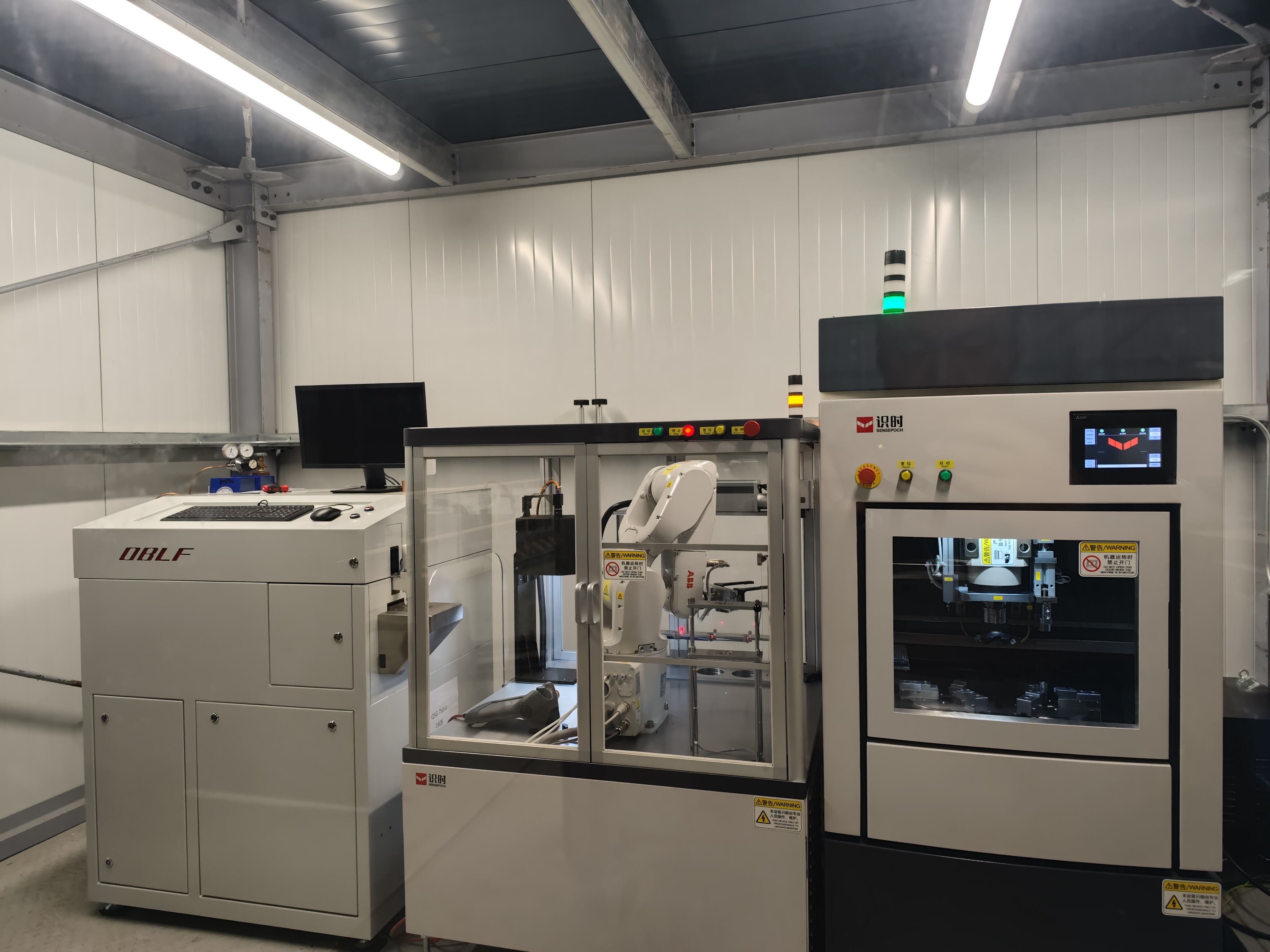
Laboratory testing across various industries relies heavily on advanced analytical instruments that deliver precise measurements and reliable data. Among these essential tools, the spectrophotometer stands as one of the most versatile and widely used devices in modern laboratories. This sophisticated instrument measures the amount of light absorbed or transmitted through a sample at specific wavelengths, enabling scientists and technicians to analyze chemical compositions, concentrations, and molecular structures with remarkable accuracy.
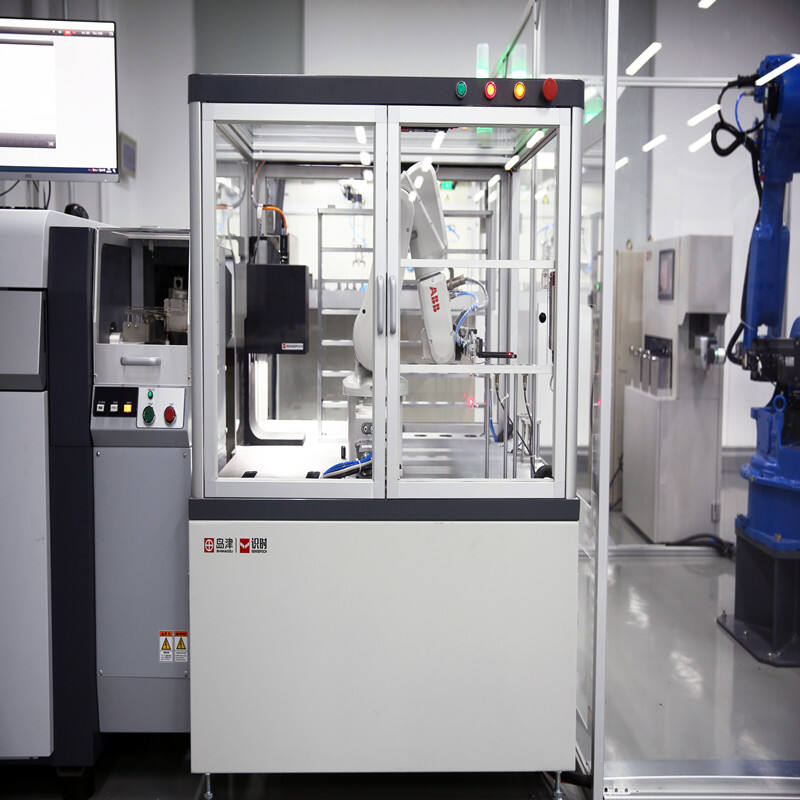
The applications of spectrophotometer technology extend far beyond basic laboratory measurements, encompassing diverse fields from pharmaceutical research to environmental monitoring. Modern laboratories depend on these instruments for quality control, research and development, and regulatory compliance across multiple industries. Understanding the broad range of applications helps laboratory professionals maximize the potential of their analytical capabilities while ensuring accurate and consistent results in their testing protocols.
Pharmaceutical Analysis and Drug Development
Active Pharmaceutical Ingredient Quantification
Pharmaceutical laboratories extensively utilize spectrophotometer instruments for quantifying active pharmaceutical ingredients in drug formulations. This critical application ensures that medications contain the correct concentration of therapeutic compounds, maintaining efficacy and safety standards required by regulatory agencies. The precise measurement capabilities allow pharmaceutical companies to verify that their products meet strict quality specifications throughout the manufacturing process.
Drug stability testing represents another crucial application where spectrophotometer analysis provides valuable insights into how pharmaceutical compounds degrade over time under various environmental conditions. By monitoring changes in absorption spectra, researchers can determine optimal storage conditions and establish accurate expiration dates for medications. This data supports regulatory submissions and helps ensure patient safety by preventing the distribution of compromised pharmaceutical products.
Impurity Detection and Purity Assessment
Quality control laboratories rely on spectrophotometer measurements to detect and quantify impurities in pharmaceutical raw materials and finished products. These analytical techniques can identify trace contaminants that might affect drug performance or cause adverse reactions in patients. The high sensitivity of modern spectrophotometer systems enables detection of impurities at parts-per-million levels, supporting comprehensive quality assurance programs.
Purity assessment protocols incorporate spectrophotometer analysis to verify that pharmaceutical ingredients meet established specifications for identity, strength, and quality. This application supports good manufacturing practices and helps pharmaceutical companies maintain consistent product quality while meeting stringent regulatory requirements for drug approval and commercial distribution.
Environmental Monitoring and Analysis
Water Quality Assessment
Environmental laboratories employ spectrophotometer technology for comprehensive water quality testing, measuring parameters such as turbidity, color, and chemical contaminant concentrations. These measurements support environmental protection efforts by providing accurate data on water pollution levels and helping identify sources of contamination in natural water bodies. Regular monitoring using spectrophotometer analysis helps ensure that drinking water supplies meet safety standards and environmental regulations.
Heavy metal detection in water samples represents a critical environmental application where spectrophotometer instruments provide sensitive and reliable measurements. Environmental scientists can quantify toxic metals like lead, mercury, and cadmium at trace levels, supporting pollution control efforts and public health protection initiatives. This analytical capability is essential for monitoring industrial discharge and assessing the effectiveness of water treatment processes.
Air Pollution Monitoring
Atmospheric monitoring programs utilize spectrophotometer analysis to measure concentrations of various air pollutants, including nitrogen oxides, sulfur dioxide, and particulate matter. These measurements support air quality assessment programs and help regulatory agencies enforce emission standards for industrial facilities. Real-time monitoring capabilities enable rapid response to pollution events and support public health warning systems.
Industrial emission testing incorporates spectrophotometer measurements to verify compliance with environmental regulations and assess the effectiveness of pollution control equipment. Manufacturing facilities use these analytical techniques to monitor their environmental impact and demonstrate compliance with air quality standards established by environmental protection agencies.
Food and Beverage Quality Control
Nutritional Content Analysis
Food testing laboratories depend on spectrophotometer analysis for accurate determination of nutritional components, including proteins, vitamins, and minerals in various food products. These measurements support nutritional labeling requirements and help food manufacturers ensure their products meet stated nutritional specifications. The analytical precision enables accurate assessment of nutritional value and supports consumer information requirements established by food safety authorities.
Quality assurance programs in food processing facilities incorporate spectrophotometer testing to monitor ingredient quality and verify product consistency throughout production processes. This analytical approach helps maintain product standards and supports food safety management systems by detecting variations that might indicate processing problems or ingredient quality issues.
Contaminant Detection and Safety Testing
Food safety laboratories utilize spectrophotometer instruments to detect chemical contaminants, pesticide residues, and food additives that might pose health risks to consumers. These analytical capabilities support comprehensive food safety testing programs and help ensure that food products meet established safety standards before reaching the marketplace. Sensitive detection methods enable identification of trace contaminants that traditional testing methods might miss.
Beverage quality control programs employ spectrophotometer analysis to monitor alcohol content, color stability, and flavor compound concentrations in alcoholic and non-alcoholic beverages. These measurements help beverage manufacturers maintain consistent product quality and meet regulatory requirements for alcohol content labeling and product standardization.
Clinical Diagnostics and Medical Testing
Blood Chemistry Analysis
Clinical laboratories extensively use spectrophotometer technology for analyzing blood chemistry parameters, including glucose, cholesterol, and enzyme levels that provide critical information for medical diagnosis and patient monitoring. These analytical measurements support routine health screenings and help healthcare providers detect and monitor various medical conditions. The accuracy and reliability of spectrophotometer analysis make it an essential tool for clinical decision-making.
Therapeutic drug monitoring applications utilize spectrophotometer measurements to determine drug concentrations in patient blood samples, ensuring that medications are maintained within therapeutic ranges while avoiding toxic levels. This analytical capability supports personalized medicine approaches and helps healthcare providers optimize drug dosing for individual patients based on their specific metabolic characteristics and medical conditions.
Protein and Enzyme Analysis
Biochemical analysis in clinical settings relies on spectrophotometer measurements to quantify proteins, enzymes, and other biomolecules that serve as indicators of organ function and disease states. These analytical techniques support diagnostic testing for liver function, kidney health, and cardiac markers that help physicians assess patient health status and monitor treatment effectiveness.
Research laboratories conducting clinical studies employ spectrophotometer analysis to measure biomarkers and therapeutic targets in biological samples. This analytical capability supports drug development research and clinical trials by providing accurate measurements of biological responses to experimental treatments and therapeutic interventions.
Materials Science and Manufacturing
Polymer Characterization
Materials science laboratories utilize spectrophotometer instruments to characterize polymer properties, including molecular weight, composition, and structural features that influence material performance. These analytical measurements support polymer development programs and help manufacturers optimize material properties for specific applications. Understanding polymer characteristics through spectrophotometer analysis enables the development of advanced materials with enhanced performance capabilities.
Quality control in polymer manufacturing incorporates spectrophotometer testing to verify that plastic and rubber products meet specified material properties and performance standards. This analytical approach helps ensure product consistency and supports quality assurance programs that maintain customer satisfaction and regulatory compliance in materials manufacturing.
Coating and Paint Analysis
Coating laboratories employ spectrophotometer measurements to analyze paint formulations, color matching, and coating thickness properties that determine product performance and appearance. These analytical capabilities support product development efforts and help manufacturers maintain consistent color and quality specifications across production batches. Accurate color measurement using spectrophotometer technology ensures that coating products meet customer expectations and industry standards.
Durability testing programs utilize spectrophotometer analysis to monitor coating degradation and color stability under various environmental conditions. This analytical data supports product warranties and helps coating manufacturers develop improved formulations that provide enhanced protection and longer service life for their customers.
Research and Development Applications
Chemical Synthesis Monitoring
Research laboratories conducting chemical synthesis projects rely on spectrophotometer analysis to monitor reaction progress and verify product formation throughout synthetic processes. These analytical measurements help researchers optimize reaction conditions and improve synthesis yields while ensuring product quality and purity. Real-time monitoring capabilities enable researchers to make informed decisions about reaction timing and process modifications.
Method development activities incorporate spectrophotometer testing to establish analytical procedures for new compounds and materials. This analytical foundation supports research programs by providing reliable measurement techniques that can be transferred to production and quality control applications as research projects advance toward commercialization.
Kinetic Studies and Mechanism Investigation
Academic and industrial research programs utilize spectrophotometer instruments to conduct kinetic studies that reveal reaction mechanisms and rate constants for chemical and biochemical processes. These analytical investigations provide fundamental understanding that supports the development of improved processes and more efficient synthetic methods. Kinetic data obtained through spectrophotometer analysis contributes to theoretical models and computational studies.
Catalysis research employs spectrophotometer measurements to evaluate catalyst performance and understand reaction pathways in various chemical transformations. This analytical approach helps researchers develop more effective catalysts and optimize process conditions for improved efficiency and selectivity in chemical manufacturing applications.
FAQ
What makes spectrophotometer analysis so versatile across different industries
The versatility of spectrophotometer analysis stems from its ability to measure light absorption and transmission properties of virtually any sample that interacts with electromagnetic radiation. This fundamental analytical principle applies to diverse materials including liquids, solids, and gases, making it valuable across pharmaceutical, environmental, food, clinical, and materials science applications. The wide range of available wavelengths and measurement modes allows laboratories to adapt spectrophotometer techniques to specific analytical requirements and sample types.
How does spectrophotometer technology ensure measurement accuracy and reliability
Modern spectrophotometer instruments incorporate advanced optical systems, precision detectors, and sophisticated software that together provide exceptional measurement accuracy and reproducibility. Built-in calibration systems, reference standards, and quality control features help ensure consistent performance over time. Additionally, standardized analytical methods and validation protocols establish measurement traceability and support regulatory compliance requirements across various testing applications.
What are the key considerations when selecting a spectrophotometer for laboratory applications
Laboratory professionals should consider factors such as wavelength range, optical design, sample handling capabilities, and software features when selecting spectrophotometer equipment. The specific analytical requirements, sample types, throughput needs, and regulatory compliance requirements will influence the optimal instrument configuration. Additionally, considerations for maintenance requirements, technical support, and integration with existing laboratory systems should be evaluated to ensure long-term analytical success.
How do spectrophotometer applications continue to evolve with advancing technology
Advancing spectrophotometer technology incorporates improved detector sensitivity, enhanced optical designs, and sophisticated data processing capabilities that expand analytical possibilities and improve measurement performance. Integration with automation systems, cloud-based data management, and artificial intelligence tools continues to enhance analytical efficiency and data quality. These technological advances enable new applications and support more demanding analytical requirements across diverse laboratory environments.
Table of Contents
- Pharmaceutical Analysis and Drug Development
- Environmental Monitoring and Analysis
- Food and Beverage Quality Control
- Clinical Diagnostics and Medical Testing
- Materials Science and Manufacturing
- Research and Development Applications
-
FAQ
- What makes spectrophotometer analysis so versatile across different industries
- How does spectrophotometer technology ensure measurement accuracy and reliability
- What are the key considerations when selecting a spectrophotometer for laboratory applications
- How do spectrophotometer applications continue to evolve with advancing technology